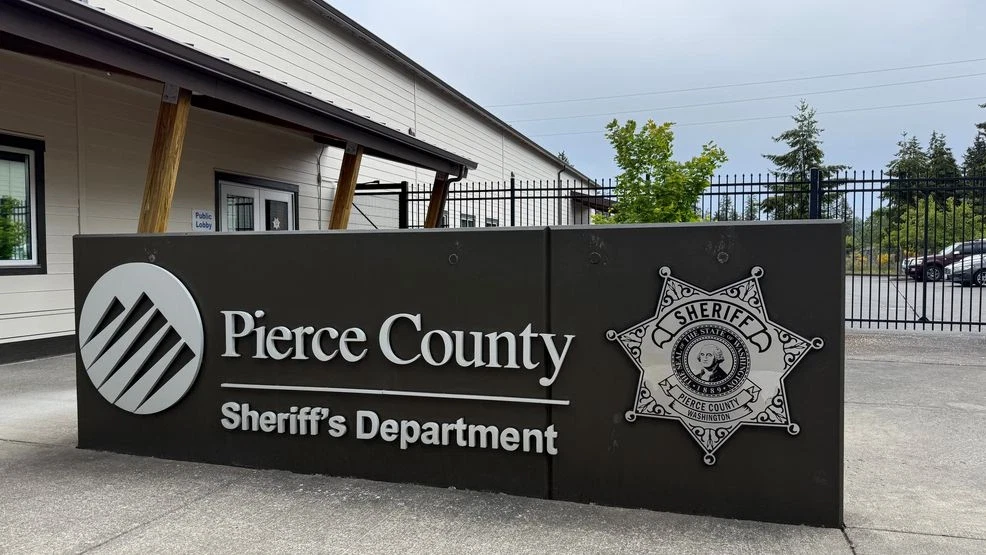
Pierce County leaders are distributing one-time bonuses of $5,000 to sheriff’s deputies in exchange for commitments that they will remain with the agency for one year.
The plan attempts to halt an exodus of deputies who have departed for other regional agencies offering higher compensation. Contract negotiations between County Executive Ryan Mello and the Pierce County Deputy Sheriffs’ Independent Guild are expected to enter arbitration next year.
“We can’t look a gift horse in the mouth,” said Guild President Shaun Darby, referring to the newly approved bonuses. “It’s going to be somewhat effective; it’s nice to get something. Is it what we deserve? No. Does it make us competitive? No.”
The guild and members of the public have been pressuring Mello to return to the negotiating table before arbitration proceedings begin.
Earlier this year, Mello offered the guild a 10 percent raise over three years. The guild rejected the proposal in a 290-to-1 vote in June, demonstrating overwhelming dissatisfaction with the compensation offer.
Darby said the guild is requesting a 25 percent raise over three years, which he believes would make the agency competitive with surrounding law enforcement employers.
“We want to get this thing settled,” Darby stated. “We had a very quick and direct response from the executive’s office: ‘See you in March at arbitration.’ They have no interest in coming back to the table.”
Darby added that the guild has been informed of an additional 11 deputies planning to leave the sheriff’s office, adding to significant losses already sustained this year.
“If that happens, we are going to be combat ineffective,” he warned.
The agency has relied on overtime, at times mandatory, to ensure minimum staffing for shifts. Deputies have raised concerns about extended response times to both emergency and non-emergency calls resulting from understaffing.
Earlier this year, a mass shooting occurred at a house party in Spanaway where neighbors called 911 multiple times over two hours attempting to get deputies to respond. The incident highlighted the dangerous consequences of insufficient staffing levels.
The sheriff’s office represents the lowest paying law enforcement agency in the county. Most police departments start pay at least $5 per hour higher than Pierce County rates. Darby says many qualified deputies can earn 30 percent more by transferring to other departments.
County Executive Mello has maintained that Pierce County remains competitive with other Washington counties including Snohomish, Clark, and Spokane. However, Clark County recently approved raises for deputies that place starting pay 12 percent above Pierce County levels, undermining this claim.
Darby said Pierce County has remaining COVID-19 funds that must be spent by the end of next year that could finance raises in the short term. A state-authorized public safety sales tax could fund deputy pay in coming years, providing sustainable revenue for competitive compensation.
“Let’s get this thing over with. What are we waiting for?” Darby asked.
Mello’s office said he was unavailable for an interview Friday, but a spokesperson provided a statement indicating the office is preparing for arbitration next year.
“We are currently engaged in fulfilling the requirements of the ordinance, including bargaining with the guild and obtaining written attestations. Once these steps are completed, the department will be able to process payments to eligible employees as soon as practicable. The biennial budget the Pierce County Council recently approved funds the Sheriff’s Department at the highest amount in the history of the department, with a $26 million increase over the last biennium. This is a testament to public safety being our highest priority, particularly as we grapple with a structural deficit and work to avoid countywide layoffs and service reductions. We continue to bargain in open, good faith with the Guild as the parties prepare for arbitration in March 2026. Our current offer, along with the investments we are making on recruitment incentives, special pay, technology, and equipment, is robust and competitive.”
The statement’s claim that the current offer is “robust and competitive” conflicts with the guild’s overwhelming rejection and deputies’ continued departures for higher-paying positions elsewhere.
The $5,000 bonus represents a temporary measure that does not address underlying compensation disparities driving departures. Deputies who accept the bonus and remain for one year still face the same salary gap that makes other agencies more attractive.
The March 2026 arbitration timeline means resolution may not occur for several months, during which additional deputies may leave despite the retention bonus. Each departure further strains remaining staff and increases reliance on mandatory overtime.
Mandatory overtime creates burnout among deputies already stretched thin by staffing shortages. The practice proves unsustainable long-term and contributes to morale problems that compound recruitment and retention challenges.
The $26 million budget increase Mello’s office cited may reflect overall department funding rather than direct deputy compensation. Investments in technology and equipment, while important, do not address the pay differential causing experienced deputies to seek employment elsewhere.