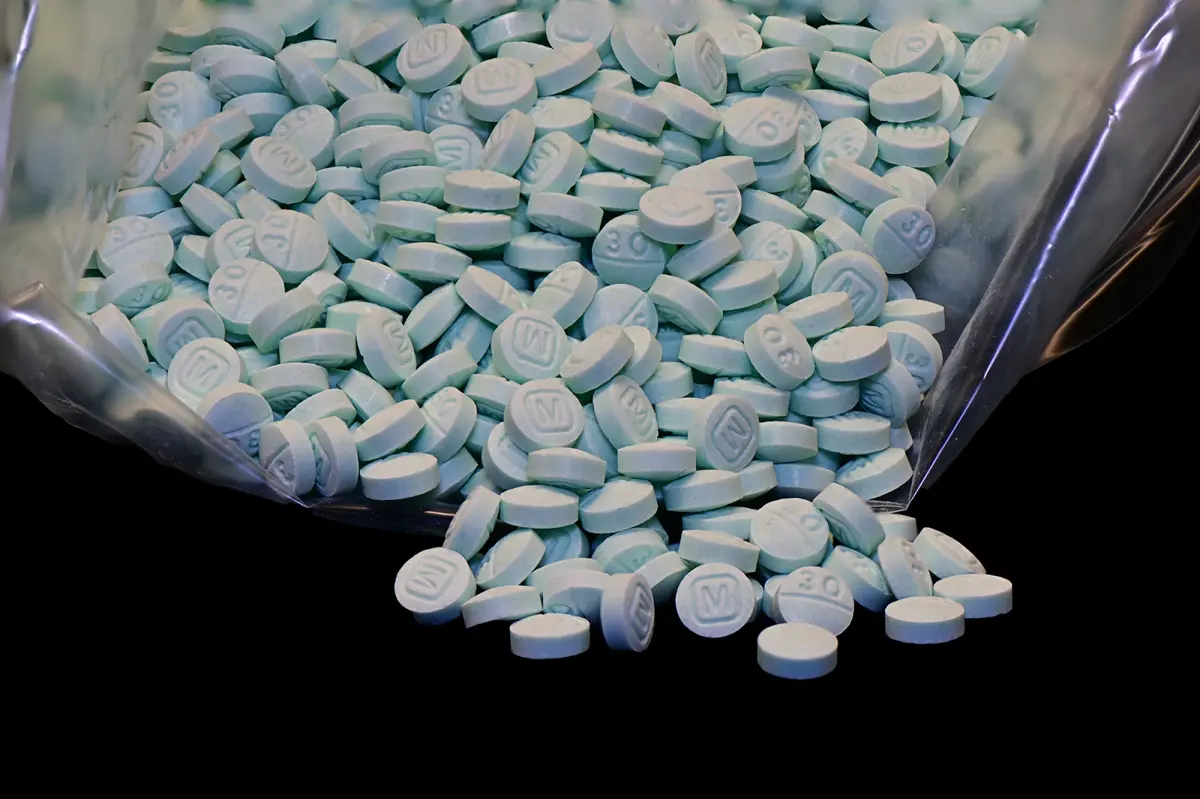
A Puyallup man was sentenced to 42 months in prison for operating a dark web marketplace that sold more than 100,000 fentanyl-tainted pills disguised as legitimate pain medications, federal authorities said.
Trevor Stephen Haahr, 34, distributed pills containing fentanyl that were designed to look like legitimately manufactured pain medications, according to the U.S. Attorney’s Office. When investigators searched his Puyallup storage unit, which he used as a packaging and shipping center, they found nearly another kilogram of fentanyl pills.
At sentencing, U.S. District Judge Tiffany M. Cartwright said the case involved “sophisticated efforts to sell large amounts of fentanyl,” adding it was not small-time drug dealing. First Assistant U.S. Attorney Charles Neil Floyd said Haahr mailed the pills “at the height of the fentanyl overdose crisis,” endangering buyers across the country as well as postal workers who could have been exposed in the event of a damaged package.
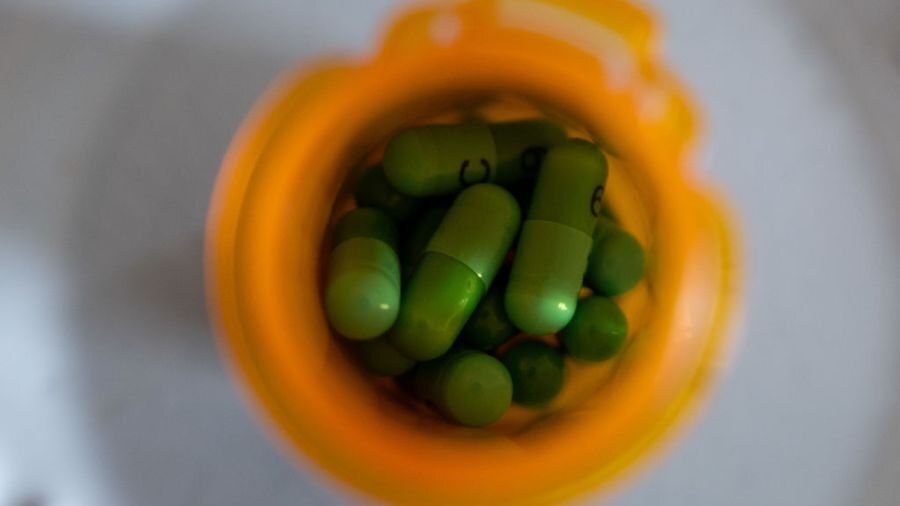
Law enforcement began investigating dark web fentanyl sales in early 2023. After ordering pills marketed as M30 oxycodone, testing showed they contained fentanyl. Authorities identified Haahr as the marketplace operator. In February 2024, he mailed a package in Pierce County that contained more than 10,000 fentanyl pills.
On March 11, 2024, law enforcement executed search warrants at his residence, office, storage locker, and vehicle. At his office, Haahr was logged into the dark web vendor profile. Investigators found drug proceeds, fentanyl pills, and shipping supplies in his truck and storage locker. Law enforcement also seized bitcoin valued at approximately $50,000, which Haahr is forfeiting as drug proceeds.
Prosecutors had sought a five-year sentence for Haahr, citing the ongoing fentanyl overdose crisis in King County and across the region. Kaeli Arielle Albert, 35, of Orting, who conspired with Haahr to supply the pills, was sentenced earlier this year to 18 months in prison. The case highlights federal efforts to crack down on dark web drug marketplaces that fuel the fentanyl crisis by distributing counterfeit pills that buyers often believe are legitimate prescription medications.