The Chapter 11 bankruptcy filing Rad Power Bikes submitted this week contains a list most companies dread compiling: the 20 largest creditors they can’t pay.
Number one on that list isn’t a tire supplier or a battery manufacturer or even the landlord. It’s U.S. Customs and Border Protection. The Seattle e-bike maker owes the federal government $8.3 million in tariffs it couldn’t afford to pay.
That single line item tells the story of an industry being crushed by trade policy.
Rad Power Bikes launched in 2015 selling affordable electric bikes directly to customers, cutting out the traditional bike shop middleman. Their sub-$2,000 models found a market among casual riders who wanted electric assist without premium pricing.
Then came COVID-19, and suddenly everyone wanted an e-bike.
Demand exploded nearly 300 percent. In 2021, flush with pandemic success, Rad raised more than $300 million in venture capital at a $1.65 billion valuation. The company branded itself as North America’s largest e-bike seller and looked unstoppable.
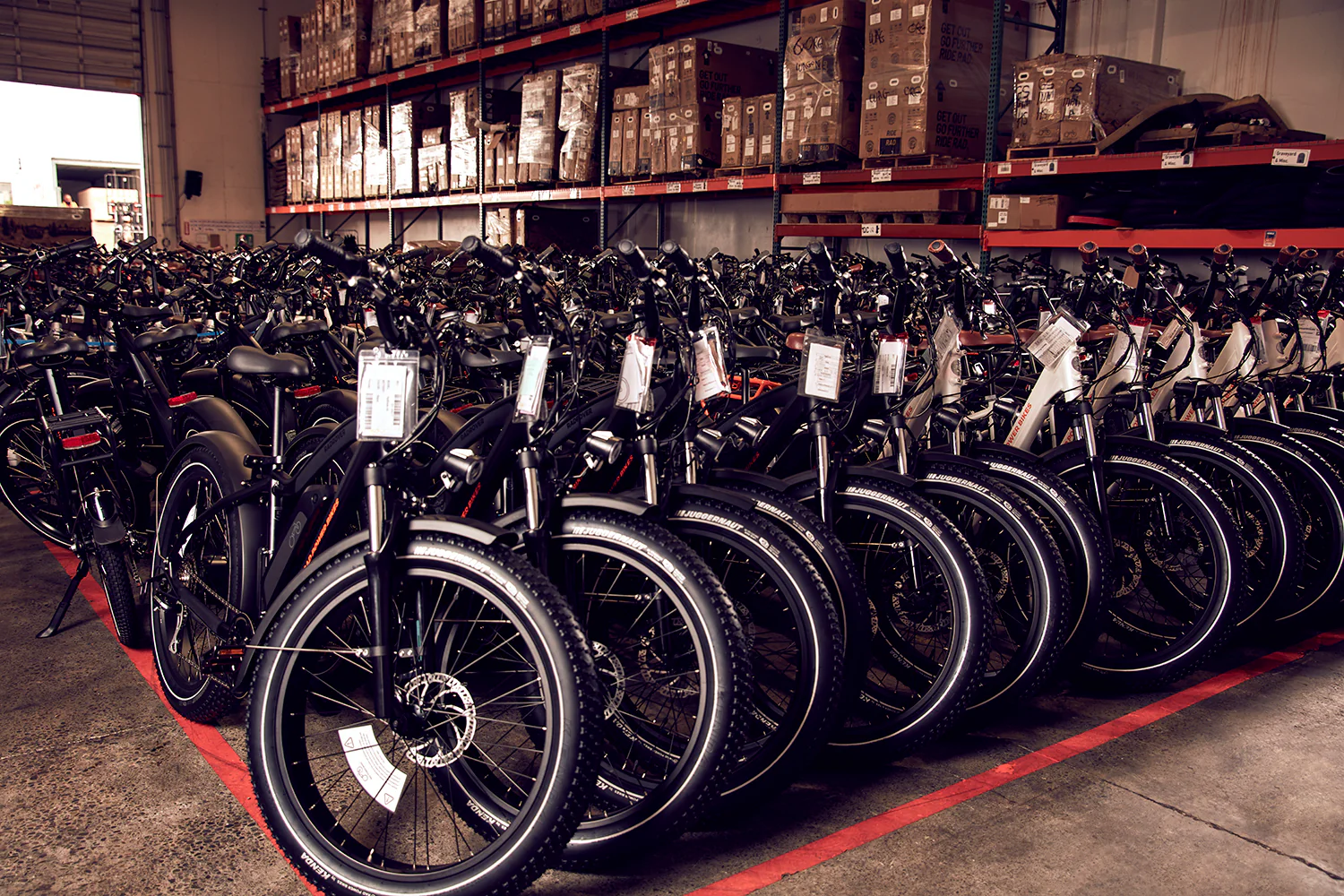
But 2022 brought the crash. People stopped buying bikes at pandemic rates. Rad found itself holding massive inventory nobody wanted, having ramped up production to meet demand that evaporated seemingly overnight.
“We did not anticipate the sudden drop in consumer demand from COVID-era peaks,” the company told employees in a November letter warning that Rad could shut down as early as January.
The bankruptcy filing this week laid bare the financial carnage. Revenue fell from $129.8 million in 2023 to $103.8 million in 2024 to just $63.3 million so far this year. The company now carries $73 million in liabilities against just $32 million in assets.
But the demand crash alone doesn’t explain why Rad couldn’t survive when other companies weathered the same downturn. The tariff bill provides that answer.
The $8.3 million Rad owes Customs didn’t appear overnight. It accumulated as the company imported bikes and components from Asian manufacturers while tariff rates climbed steadily higher.
E-bikes enjoyed an exemption from the China-focused tariffs imposed in 2018. That exemption expired last year under the Biden administration. Average tariff rates on e-bikes jumped from about 11 percent to between 20 and 55 percent, according to industry group PeopleForBikes.
For a company like Rad operating on tight margins selling $2,000 bikes, those tariff increases represented hundreds of dollars per unit. On high volumes, the costs spiral into millions.
Rad marked the $8.3 million Customs claim as “disputed,” suggesting the company is challenging either the amount or the legal basis. But disputed or not, Customs can seize shipments or block imports when companies fall behind on payments, creating a vicious cycle where tariff debts prevent the very business activity needed to pay them off.
“Tariffs are stressing U.S.-based companies, in some cases past the breaking point, while not seeming to have much effect on foreign marketplace sellers who are doing business as usual,” said Matt Moore, policy and general counsel for PeopleForBikes.
That asymmetry explains much of the industry’s frustration. Chinese companies selling directly to American consumers through platforms like Amazon often avoid or underreport tariffs, while U.S.-based companies like Rad that import through legitimate channels get hit with the full bill.
Ed Benjamin, chairman of the Light Electric Vehicle Association, described the situation as creating “confusion and chaos” across the industry. Companies can’t plan purchases or set prices when they don’t know what their costs will be.
The policy incoherence compounds the problem. E-bike tariffs layer on top of battery tariffs, which layer on top of steel tariffs. Each adds cost, and together they’ve pushed multiple companies over the edge.
E-Cells, Kent International, Fuell, Juiced, and Electric Bike Company have all cited tariffs as a factor in shutdowns or bankruptcies. Rad represents the highest-profile casualty, but it’s far from alone.
“There’s no coherent strategy here, just a patchwork of protectionist measures that hurt importers, confuse dealers, and raise prices for consumers,” EV news website Electrek wrote. “If the U.S. wants to promote micromobility and clean transportation, it’s going to need smarter policies than this.”
The day after Rad filed for bankruptcy, U.S. Customs and Border Protection announced it has collected more than $200 billion in tariffs under more than 40 executive orders issued during the Trump administration.
“This figure underscores CBP’s effectiveness in promoting secure, fair, and compliant trade,” the agency said, apparently seeing the $200 billion as evidence of success rather than industry burden.
The U.S. Supreme Court is now weighing whether Trump exceeded his constitutional authority in imposing many of these tariffs. Costco and dozens of other companies have filed lawsuits seeking refunds if the court rules the duties unlawful.
But that legal challenge won’t help Rad Power Bikes. The company needed relief months or years ago, before the tariff bills became insurmountable.
The irony is thick. The federal government claims tariffs protect American manufacturing and jobs. But Rad employed hundreds of people in Seattle, operated as an American company, and paid American taxes. The tariffs didn’t protect those jobs. They helped eliminate them.
Meanwhile, the Chinese manufacturers the tariffs supposedly target continue producing bikes and selling them globally, largely unaffected by U.S. trade policy aimed at companies operating within the American system.
Rad’s 300 employees received the November warning that the company could close in January. Many have likely already started job hunting, knowing the bankruptcy filing makes closure more likely than turnaround.
The $1.65 billion valuation from 2021 now looks like a fever dream. The company that was going to revolutionize urban transportation with affordable e-bikes is instead a cautionary tale about what happens when tariff policy collides with business reality.
And somewhere in a warehouse, thousands of unsold Rad e-bikes sit gathering dust, casualties of a trade war that nobody seems to be winning.