The future of Redmond’s automated licence plate reader network remains uncertain as city officials navigate complex questions about privacy protection, federal data access, and contractual obligations following the pre-emptive suspension of the camera system earlier this month.
Redmond Police Department deactivated its 24 Flock Safety cameras after masked agents with US Immigration and Customs Enforcement arrested multiple people near locations where the cameras are installed, prompting city leaders to suspend operations out of concern that federal agencies might compel access to the surveillance data despite the city’s policies restricting such sharing.
Police Chief Darrell Lowe emphasised during Tuesday’s city council discussion that ICE never accessed Redmond’s Flock data and the proximity of the arrests to camera locations may have been entirely coincidental. However, city leaders determined that the possibility of being legally compelled to release data to federal immigration enforcement in the future warranted pre-emptive action to protect community members, particularly given recent revelations about federal access to similar systems in other Washington cities.
Chief Lowe recommended Tuesday that the camera system be restored, citing safeguards the city has implemented to prevent unauthorised access to the data. These protections include a policy requiring that any external data request be reviewed and approved by the police chief personally, with access limited to approved law enforcement agencies demonstrating a legitimate investigative purpose. Additionally, Redmond’s policy called for retaining images for only 30 days and prohibited nationwide sharing of data.
Despite these safeguards, city council members opted against immediately restoring the cameras, instead directing staff to seek a legal review of the consequences of terminating the contract with Flock Safety. This decision reflects the council’s desire to understand the full range of options available, including whether the city can legally exit the agreement and what financial penalties might result from such action.
The deliberations occur against the backdrop of a University of Washington research report released in October revealing that federal immigration agencies including ICE and Border Patrol had accessed automated licence plate reader data from at least 18 Washington cities, often without the knowledge of local police departments. The report could not determine whether the accessed information was subsequently used to target or arrest immigrants, but the findings raised alarm amongst municipal leaders in cities with sanctuary policies or significant immigrant populations.
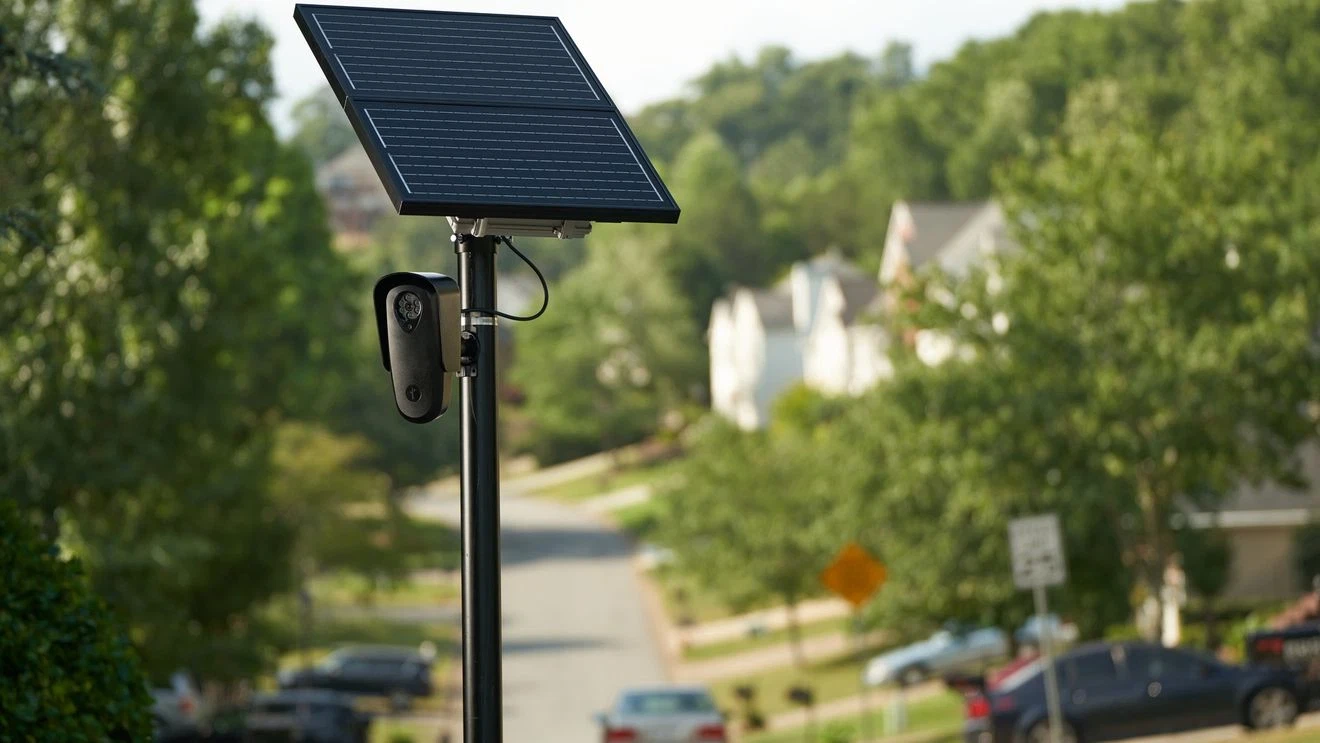
The 24 Flock cameras positioned around Redmond became operational in June, installed along main thoroughfares and in areas experiencing higher crime rates. The automated licence plate readers capture images of vehicle licence plates passing their locations, creating searchable databases that law enforcement can query when investigating crimes involving vehicles. None of the cameras are currently collecting data, and they will remain disabled until city council members take formal action determining their future.
The discussion has evolved from whether to temporarily suspend the cameras to whether Redmond should permanently terminate its relationship with Flock Safety. City leaders are now focusing on broader questions about privacy, security, civil liberties, and public records issues that extend beyond the immediate ICE arrest incident.
A recent Skagit County court ruling has further complicated the situation by determining that Flock camera data constitutes public record under Washington’s Public Records Act, meaning the information must be released when requested through the state’s public disclosure process. This ruling potentially undermines Redmond’s ability to restrict access to the data, as any person or organisation could theoretically obtain licence plate information through public records requests regardless of the city’s policies limiting law enforcement access.
The contractual terms Flock Safety established with Redmond severely restrict the city’s ability to simply walk away from the agreement. According to information Flock Safety provided to the city, Redmond can only terminate the contract if specific breaches occur, including default-enablement of nationwide data sharing without the city’s express authorisation, disclosure of customer data to third parties outside the contract’s scope without authorisation, or Flock’s failure to provide reasonable notification of third-party data requests as required by the contract.