The Redmond Police Department has deactivated its automated license plate reader network after City Council guidance issued on 3 November, representing a notable change in the department’s approach to technology-assisted law enforcement.
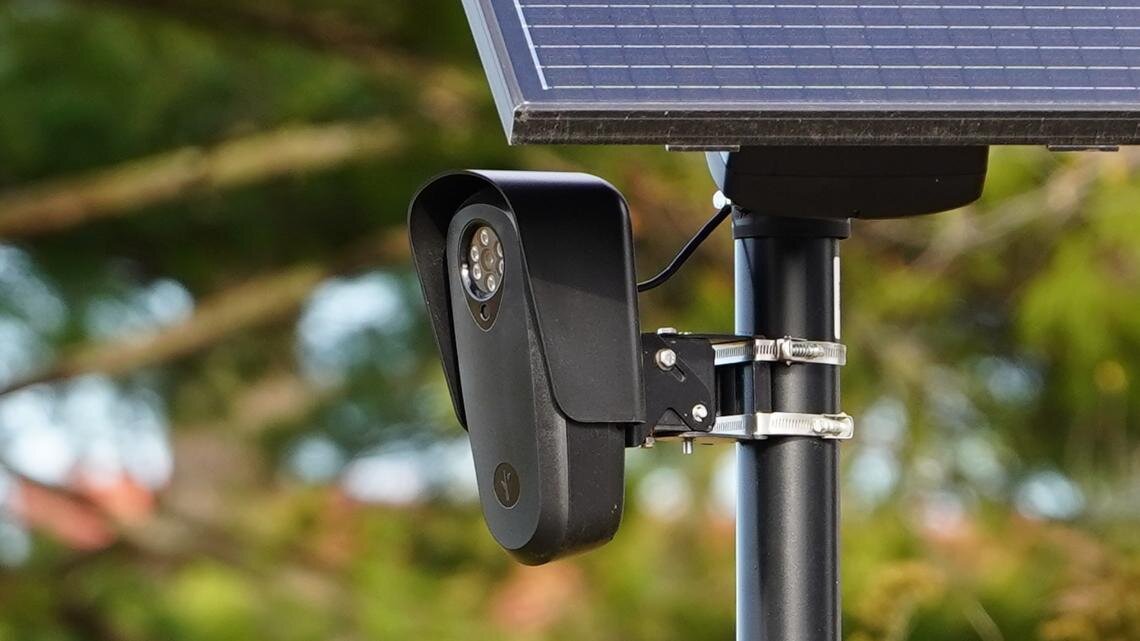
The cameras, which utilise the widely deployed Flock system, had been operating throughout Redmond’s streets, scanning vehicle registration plates, recording vehicle characteristics, and generating digital records that investigators could access when pursuing suspects, locating stolen vehicles, or searching for missing persons. The equipment now sits idle pending comprehensive evaluation of programme parameters and potential continuation.
For Redmond police, automated license plate readers offered clear operational advantages by creating objective documentation. When crimes occurred, detectives could query the system for vehicles passing through particular locations during specific timeframes. The captured information remained straightforward: registration numbers, vehicle makes and models, colours, and timestamps. Yet this seemingly simple data proved potentially valuable for establishing connections during investigations.
The department consistently emphasised the technology’s limited scope. Officers stressed that automated license plate readers functioned as investigative instruments deployed after criminal incidents rather than constituting a surveillance apparatus monitoring routine public activity. The distinction aimed to differentiate between reactive crime-solving and proactive population tracking.
Anticipating privacy objections, Redmond police established multiple restrictions intended to prevent technological overreach. Immigration enforcement remained explicitly excluded from permissible uses. The department maintains no operational relationship with Immigration and Customs Enforcement, and automated license plate reader information was never transmitted to federal immigration authorities under any circumstances.
System access was restricted to personnel who completed specific training requirements, and every database query generated an audit trail enabling subsequent review. Unlike jurisdictions participating in nationwide data-sharing consortiums, Redmond deliberately maintained information locally, disabling automatic transmission to external agencies. Collected data faced time limitations as well, with recordings automatically deleted after predetermined retention periods. External agencies seeking access confronted formal legal requirements including obtaining court authorisation.
With the system currently suspended, Redmond police have forfeited what they regarded as a valuable investigative efficiency tool. However, law enforcement operations will continue through alternative means. Officers will increase reliance on conventional investigative techniques including neighbourhood canvassing, reviewing security camera footage from commercial establishments, coordinating with adjacent jurisdictions, and conducting traditional detective work that preceded automated systems.
The question confronting city leadership centres on whether efficiency gains from license plate readers justify the surveillance infrastructure they necessitate, even with protective measures implemented.
City Council intends to examine programme governance structures and assess whether modifications could address concerns whilst preserving public safety benefits. The cameras remain deactivated for the duration of this evaluation, positioning Redmond alongside numerous communities grappling with appropriate boundaries between security imperatives and privacy protections in an era of increasingly sophisticated surveillance capabilities.
The suspension reflects broader tensions communities nationwide face when balancing technological tools that enhance investigative capacity against legitimate concerns about government monitoring of citizens’ movements. Automated license plate readers represent just one technology in a expanding toolkit that includes facial recognition systems, predictive policing algorithms, and social media monitoring programmes.
Proponents of such systems emphasise their crime-solving potential. Cases involving vehicle-related offences become substantially easier to investigate when police can reconstruct which vehicles travelled through crime scene areas. Stolen vehicle recovery improves when the system alerts officers to flagged registrations. Missing person searches gain an additional tool when investigators can track vehicle movements.
Critics counter that these benefits come at significant civil liberties costs. Even with restrictions, automated license plate readers create detailed records of vehicle movements that could reveal patterns about where people travel, when they visit certain locations, and with whom they associate. The potential for mission creep concerns privacy advocates who worry that tools deployed for serious investigations might eventually expand to enforce minor infractions or monitor political activity.
The retention period question illustrates these tensions. Police argue that maintaining historical data enables solving older cases and establishing patterns over time. Privacy advocates contend that storing movement data beyond immediate investigative needs creates databases ripe for abuse or unauthorised access through hacking.
Redmond’s decision to disable automatic sharing with external agencies addressed one concern but created operational friction. Neighbouring jurisdictions with interconnected systems can track vehicles across municipal boundaries, potentially improving investigations that span multiple cities. Redmond’s isolation from these networks may hamper certain investigations whilst protecting local residents from broader surveillance reach.
The immigration enforcement exclusion responded to community concerns that cooperation with federal authorities could discourage immigrant residents from reporting crimes or cooperating with local police. This restriction reflects broader debates about sanctuary policies and the appropriate relationship between local law enforcement and federal immigration agencies.
Redmond Police Department leadership has committed to transparency throughout the review process, acknowledging that maintaining community trust carries importance equal to investigative effectiveness. The department recognises that surveillance technologies, however valuable operationally, risk damaging police-community relationships if implemented without adequate public input and oversight.
The review timeline remains undefined, leaving uncertainty about when or whether the cameras might reactivate. City Council will solicit community feedback, examine governance frameworks from other jurisdictions, and assess whether modified policies could address concerns sufficiently to warrant programme continuation.