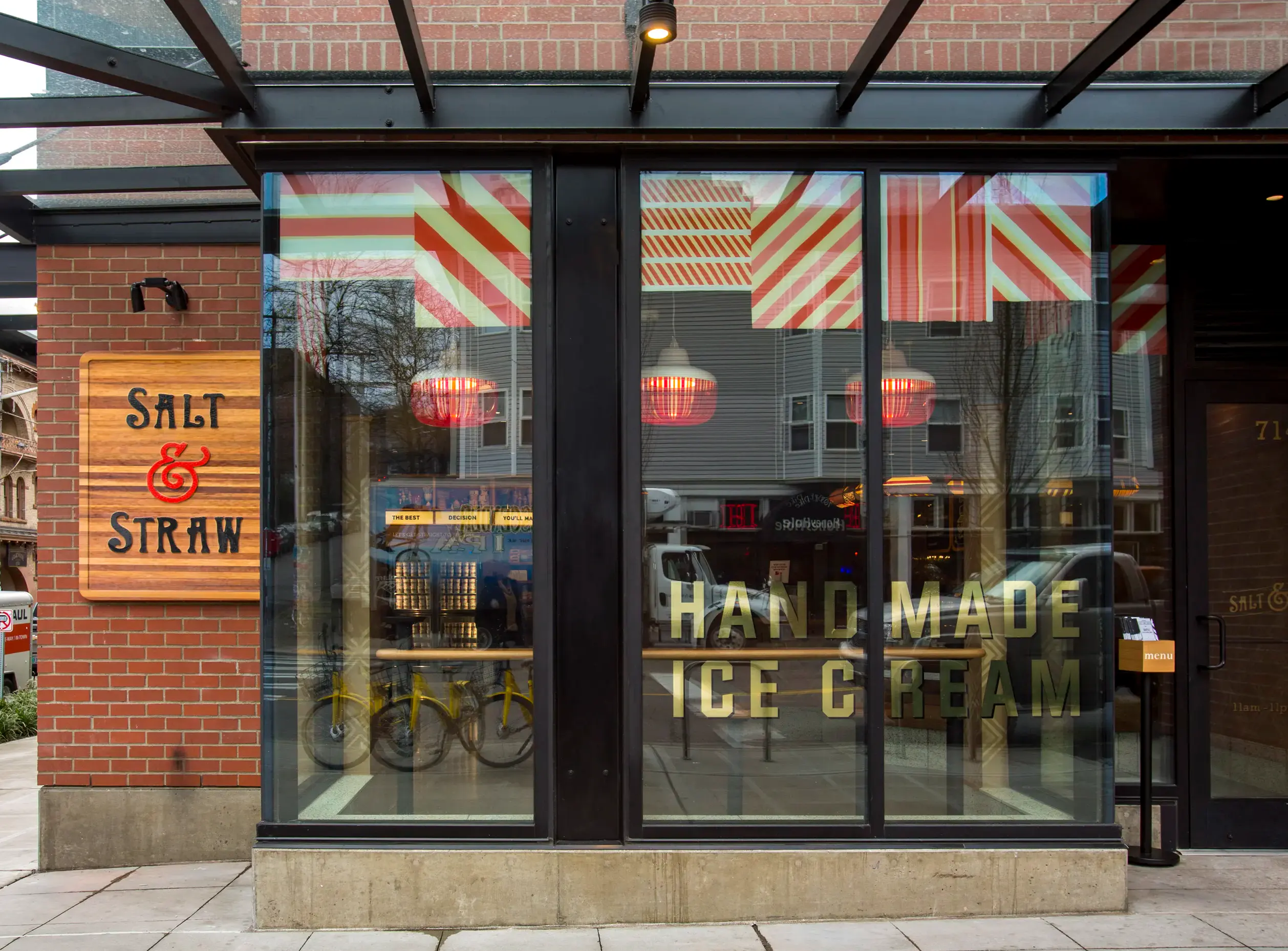
Salt and Straw, the Portland-born ice cream company that has become one of the Pacific Northwest’s most beloved food brands and a fixture in Seattle’s neighbourhood dining scene, is exploring a potential sale that could value the business at more than $200 million, according to a report from Reuters.
The company was founded in Portland in 2011 by cousins Kim and Tyler Malek, who built the brand around a rotating menu of creative, locally sourced, and often unconventional flavours that set it apart from mainstream ice cream chains. What began as a single cart has grown into a business with around 50 scoop shop locations stretching across the West Coast, with a presence in Seattle, Portland, Los Angeles, San Francisco, and beyond. Salt and Straw has also expanded into grocery retail in recent years, bringing its packaged pints to a wider audience and reducing its dependence on foot traffic at individual locations.
In Seattle, Salt and Straw has cultivated a devoted following across its shops, which have become regular destinations for residents and visitors alike. The brand’s seasonal menus, which frequently incorporate local ingredients and collaborations with Pacific Northwest producers, have helped it maintain cultural relevance in a crowded premium ice cream market.
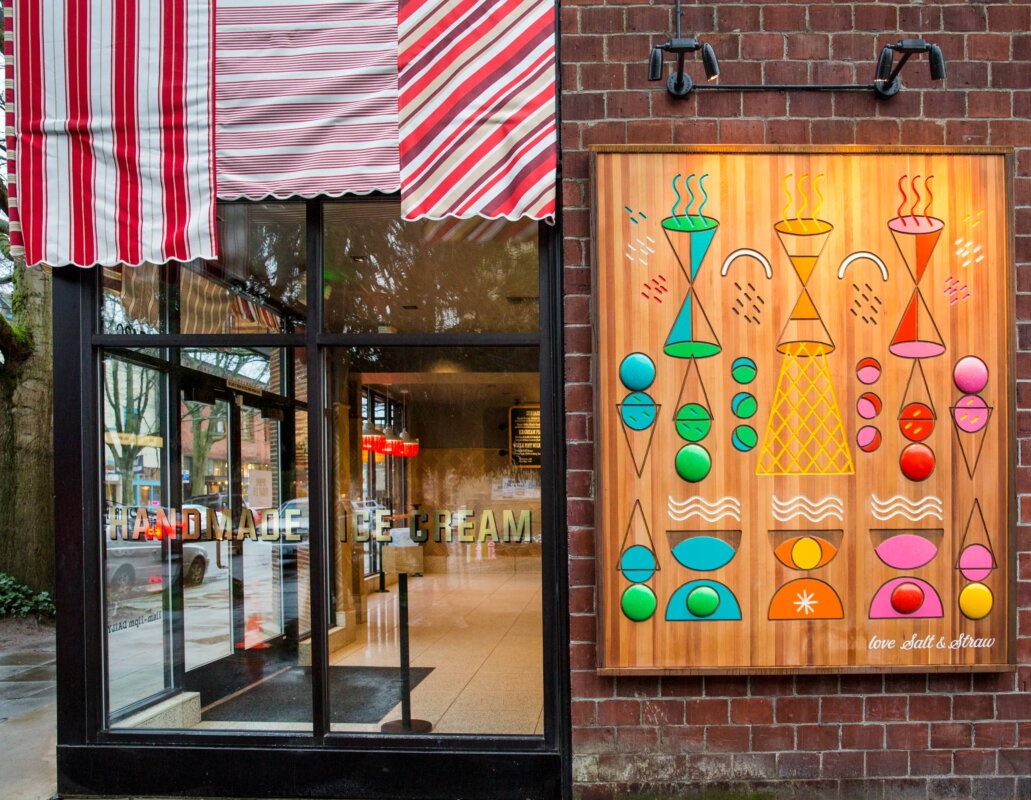
The reported exploration of a sale reflects a broader trend of private equity and strategic buyers showing strong interest in premium food and beverage brands with established loyalty and regional identity. A valuation above $200 million would represent a significant outcome for a company that grew organically from a small Portland operation into a nationally recognised name over little more than a decade.
No buyer has been announced and no deal has been finalised. The situation is described as an exploratory process, meaning Salt and Straw could ultimately decide not to proceed with a transaction. The report has nonetheless drawn significant attention in Pacific Northwest business and food circles as one of the region’s most distinctive culinary brands considers what its next chapter might look like.