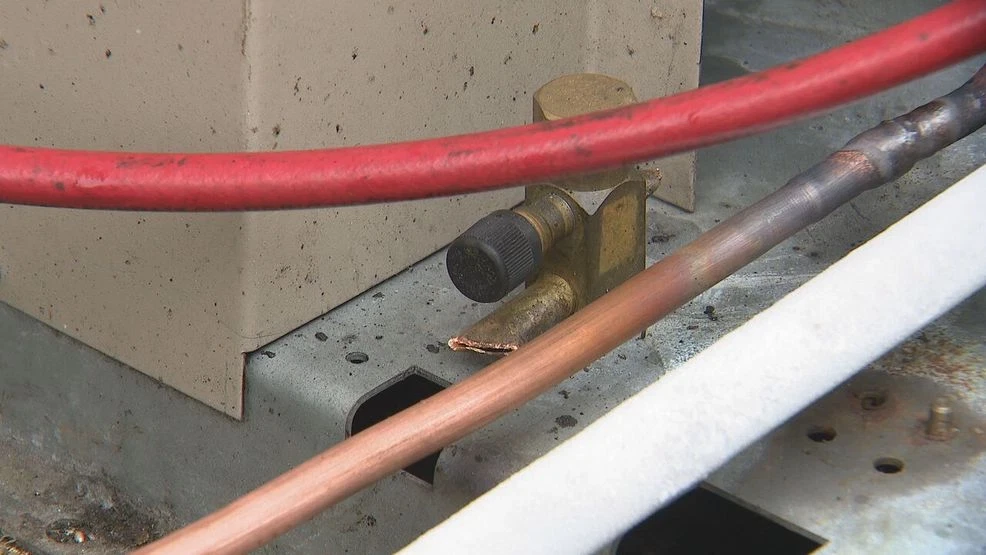
Seattle-area businesses are being drained by copper thieves who strike with impunity, with some establishments hit multiple times in recent months as owners face tens of thousands of dollars in equipment damage, spoiled inventory, and repeated closures while officials point to weak scrap metal laws that allow stolen copper to be easily sold.
Kazoku Japanese Cuisine in Edmonds was hit on March 10, with copper pipes cut straight from its refrigeration unit, according to KOMO News. The owner is facing around $10,000 in equipment damage and lost roughly $2,000 in spoiled fish inventory. The theft forced the restaurant to close temporarily while replacing the refrigeration system, losing additional revenue during what should have been peak business hours.
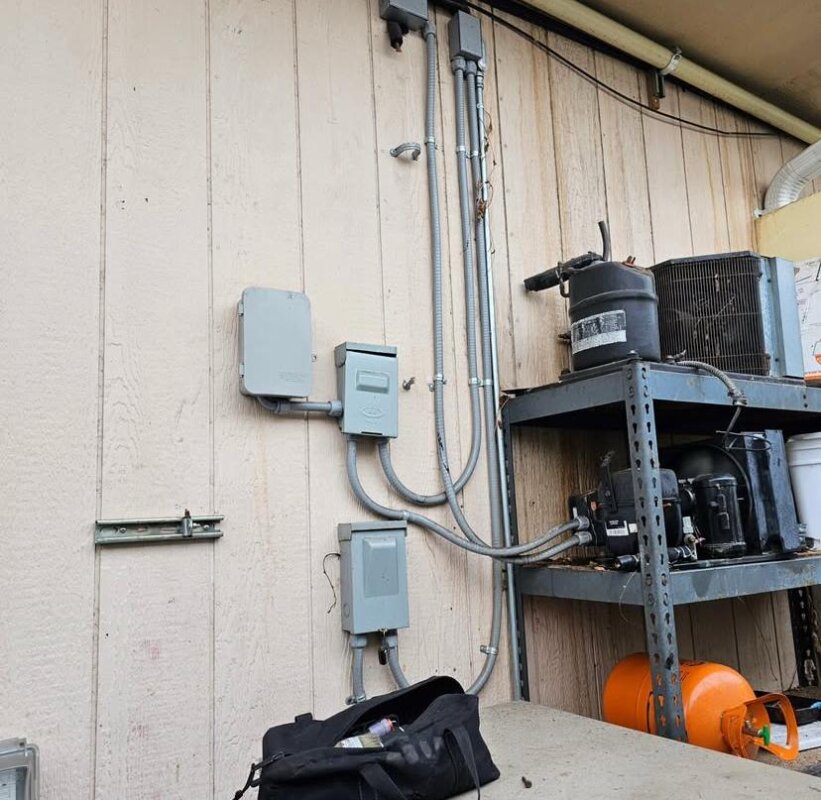
In Ballard, the Lockspot Cafe was targeted twice in a single week, knocking its walk-in refrigerator offline both times. The repeated attacks left the longtime neighborhood establishment scrambling to save perishable food and maintain operations while waiting for repairs. The National Nordic Museum nearby has been struck five times in recent months, each incident costing thousands more in repairs, FOX 13 Seattle reported. The cultural institution’s repeated targeting demonstrates how thieves return to the same locations once they identify accessible copper sources.
Seattle City Light confirmed it has seen a surge in wire theft in the area and has crews on the ground assessing damage and prevention measures. The utility’s acknowledgment of widespread copper theft suggests the problem extends beyond individual businesses to public infrastructure, where stolen electrical wiring can create safety hazards and service disruptions for entire neighborhoods.
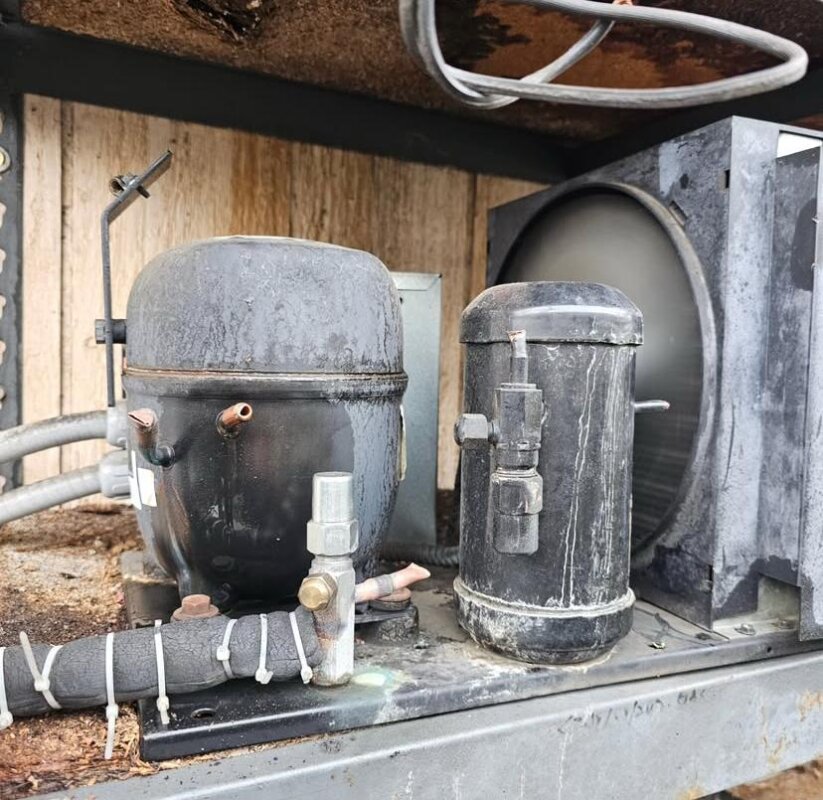
City leaders are pointing to weak scrap metal recycling laws as part of the problem, with one councilmember warning the legislature failed to act this session. The legislative inaction means scrap metal dealers in Washington are still not required to verify ownership or maintain detailed records of copper purchases, making it nearly impossible for police to trace stolen material back to crime scenes. Without stronger regulations, thieves can walk into recycling centers with freshly cut copper pipes and walk out with cash, no questions asked.
For small business owners, there is no clean recovery. Every incident means closures, spoiled stock, and the dread of it happening again. The financial impact extends beyond immediate repair costs to include lost revenue during forced closures, spoiled inventory that cannot be salvaged, increased insurance premiums, and the psychological toll of knowing their businesses remain vulnerable to the next attack.
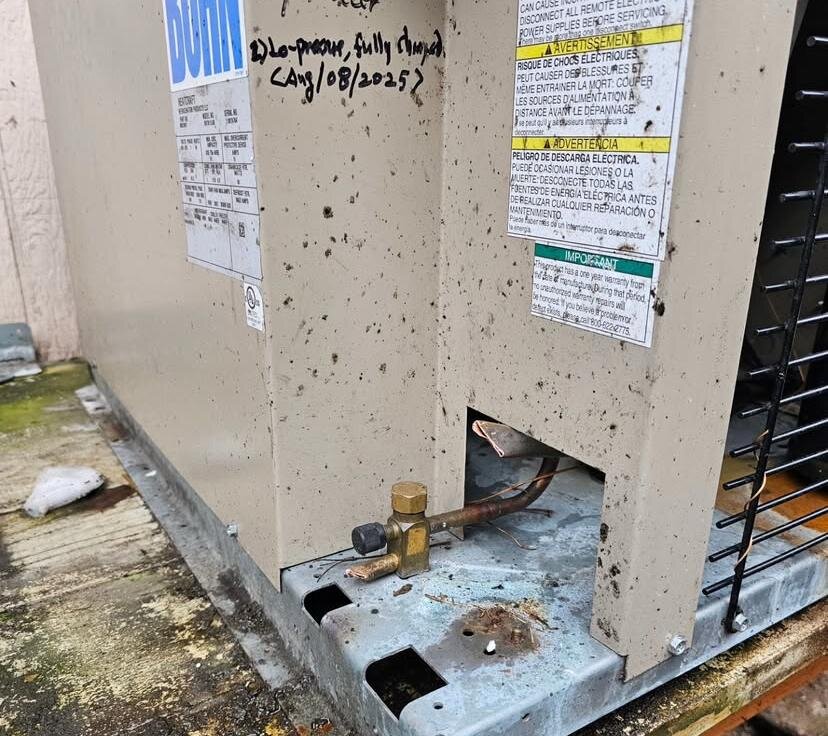
The repeated targeting of the same businesses suggests thieves know which establishments have accessible copper and are exploiting the lack of consequences and easy resale of stolen metal. Many small businesses lack the resources to install comprehensive security systems or hire overnight guards, leaving refrigeration units, HVAC systems, and electrical panels exposed to criminals who can strip valuable copper in minutes.
Efforts to strengthen scrap metal regulations during the recent legislative session stalled, leaving businesses vulnerable to ongoing theft with little recourse beyond expensive security upgrades and insurance claims that may not cover the full losses. Some business owners report that insurers are raising premiums or declining to renew policies after multiple copper theft claims, effectively punishing victims for being targeted repeatedly.

The wave of thefts reflects a broader problem across the Seattle area where rising copper prices incentivize criminals to target refrigeration systems, electrical wiring, and construction sites. Copper prices have remained elevated in recent years, making even small amounts of stolen material profitable enough to justify the risk of criminal charges. A single air conditioning unit or restaurant refrigerator can contain hundreds of dollars worth of copper that takes only minutes to remove but costs thousands to replace.
Business owners must now weigh the cost of preventive measures against the likelihood of being hit again, with no guarantee that investments in security cameras or fencing will deter determined thieves. Some are considering abandoning copper altogether in favor of alternative materials for plumbing and electrical systems, though such replacements come with their own costs and may not perform as reliably as traditional copper installations.