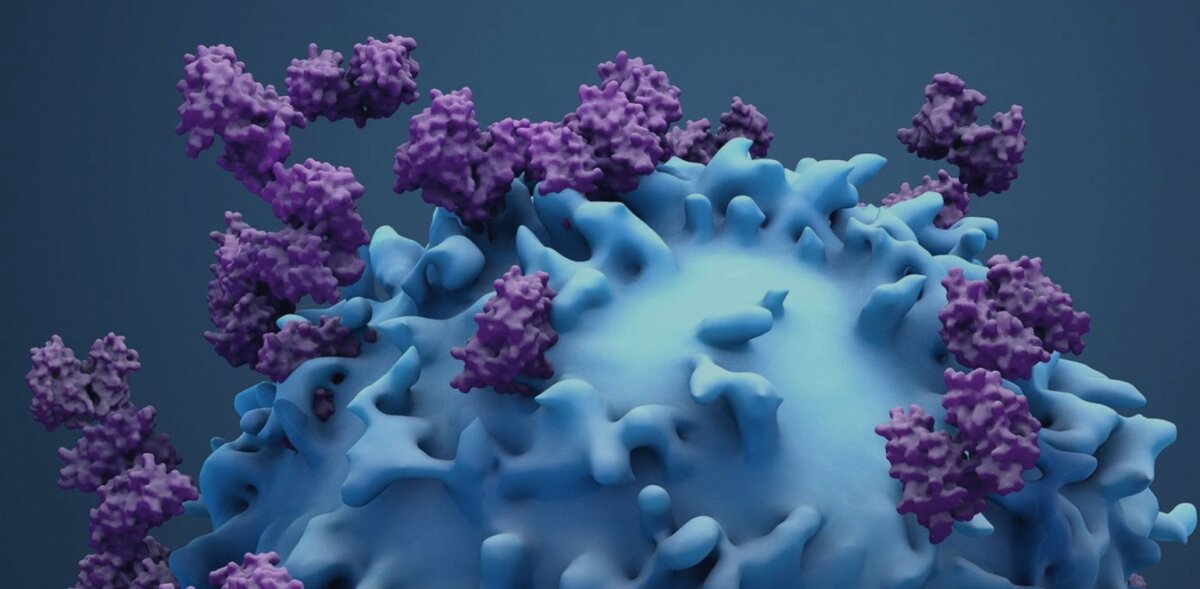
A new Seattle-based biotech company, Accipiter Bio, has officially emerged with $12.7 million in seed funding and major collaboration deals with Pfizer and Kite Pharma, marking a significant milestone in the growing field of AI-driven protein design.
Founded by researchers from the University of Washington’s Institute for Protein Design, Accipiter Bio is using artificial intelligence to engineer entirely new proteins capable of targeting multiple disease pathways at once. The company’s approach aims to transform the way complex illnesses like cancer and autoimmune diseases are treated by developing multi-functional drugs that outperform traditional single-target therapies.
“Our goal is to define a new generation of biologic drugs,” said Matthew Bick, co-founder and CEO of Accipiter Bio. “We’re working to create proteins that can bind to several molecular targets at once, potentially improving treatment outcomes for some of the world’s toughest diseases.”
The startup’s AI-based platform builds on groundbreaking computational biology techniques pioneered at UW’s Institute for Protein Design. By creating synthetic proteins from scratch, Accipiter’s technology allows scientists to design therapies that function in highly specific and coordinated ways, potentially reducing side effects while improving efficiency.
Bick explained that while combination therapies have shown success in cancer treatment, traditional approaches require separate drugs to be tested and approved individually. Accipiter’s single, multi-target biologics could shorten this process, requiring just one Phase 1 safety trial rather than multiple.
Accipiter Bio’s partnership with Pfizer involves joint research to develop new molecules, with the potential for milestone payments exceeding $330 million, in addition to royalties. A second agreement with Kite Pharma, a Gilead Sciences subsidiary, focuses on designing proteins for use in advanced cell therapies. Kite also retains the option to acquire and further develop any promising molecules that result from the collaboration.
Beyond its partnerships, Accipiter Bio is advancing four proprietary drug development programs. Two of these are nearing the pre-IND phase, where the company will meet with the U.S. Food and Drug Administration to discuss human testing. While specific details remain under wraps, Bick confirmed that the company’s research spans oncology and gastrointestinal disorders.
The $12.7 million seed round was co-led by Flying Fish Partners and Takeda Ventures, with participation from Cercano Capital, Columbus Venture Partners, Washington Research Foundation, Alexandria Investments, Pack Ventures, and Argonautic Ventures.
Heather Gorham, a principal at Flying Fish Partners and Accipiter board member, said the company’s technology exemplifies how computation is reshaping modern biology. “We’ve reached a point where computation isn’t just making biology faster,” she said. “It’s expanding what’s possible.”
Launched in March 2023, Accipiter Bio currently employs 17 people. Its leadership team includes co-founders with deep experience in both scientific research and biotech entrepreneurship.
• Javier Castellanos, co-founder and chief technologist, previously co-founded Cyrus Biotechnology and worked at Neoleukin Therapeutics.
• Hector Rincon, co-founder and chief scientist, spent over seven years at Seagen, where he contributed to early-stage drug development.
• William Canestaro, COO and chief strategy officer, brings extensive venture and operational experience from roles with the Washington Research Foundation and multiple life science startups.
The founders’ past experiences, including their work at Neoleukin Therapeutics, have shaped Accipiter’s strategy. Bick noted that earlier challenges in the biotech space taught them to diversify their drug programs and design proteins that avoid triggering unwanted immune responses.
“We learned the importance of flexibility and scientific rigor,” Bick said. “Our team helped bring the first fully de novo protein into human trials, and now we’re taking that knowledge even further.”
As the company prepares to scale its research and development, Accipiter Bio is positioning itself as a leading innovator in AI-driven drug design, a field that’s quickly reshaping the future of medicine from right here in Seattle.