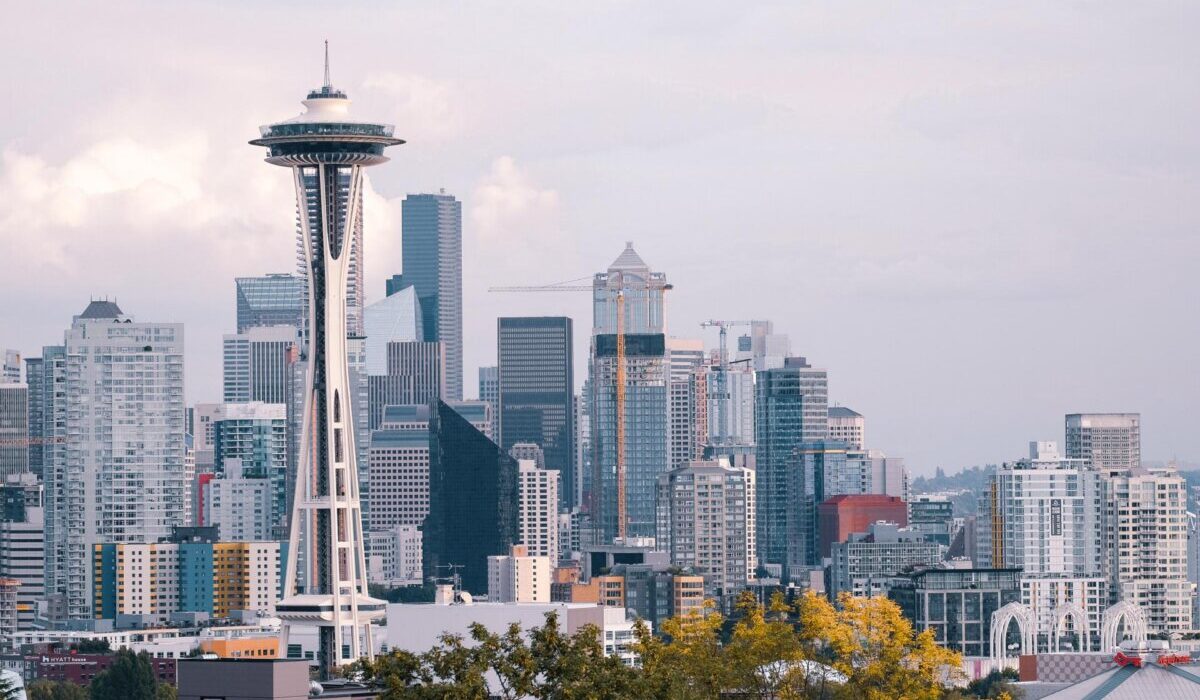
Seattle is approaching a 62-year-old weather record as the city extends its dry streak to 13 consecutive days without measurable rain, raising concerns about snowpack levels and water supply.
Sunday marked the 13th day in a row with no measurable rain in the area. The current dry spell is on track to challenge the record of 15 consecutive January days without rain, set in 1963. If the forecast holds and no measurable rain falls in the official rain gauge until Wednesday, Seattle will match that old record.
January is typically a soaker in western Washington, with around 18 days of measurable rain expected during the month. This year’s pattern represents a significant departure from normal conditions. During a typical January, Seattle receives around 5.5 inches of rain. As of Sunday, the city has only received 3.31 inches at Seattle-Tacoma International Airport, the official measuring station.
The extended dry period matters beyond just unusual weather. January rain typically loads up snowpack in the Cascade Mountains, which serves as a natural reservoir for the region’s water supply through spring and summer. Dry winters mean lower snowpack levels, which can lead to water supply concerns and increased wildfire risk later in the year.
For residents accustomed to gray, drizzly January days, the sunshine might feel pleasant. But the absence of rain during what should be the wettest part of the year creates complications for water managers, farmers, and anyone depending on consistent precipitation patterns. Western Washington’s ecosystem is built around abundant winter moisture. When that doesn’t arrive, the effects ripple through hydroelectric generation, agricultural planning, and drought preparedness.
The forecast suggests rain may return later in the week, though whether it will be enough to make up for the deficit before the month ends remains uncertain. Even if significant rain arrives, a single storm or two won’t necessarily compensate for two weeks of missing precipitation, particularly in terms of mountain snowpack accumulation.
Climate patterns show increasing variability in Pacific Northwest winters, with wetter wet years and drier dry years becoming more common. Whether this January’s dry streak represents normal variability or part of a longer-term trend is a question meteorologists and climate scientists continue examining.