Seattle Police have arrested a man in connection with the 1994 murder of 14-year-old Tanya Marie Frazier, delivering a long-awaited breakthrough in a case that has haunted the victim’s family and community for more than three decades.
Tanya disappeared on 18 July 1994 after leaving a summer school class at Meany Middle School, according to Seattle police. A man discovered the 14-year-old’s body whilst walking his dog in the 2200 block of East Highland Drive, just blocks from where she was last seen.
“For more than 30 years, Tania’s family wanted nothing more than answers, closure, and justice,” SPD Chief Shon Barnes stated at a Wednesday press conference.
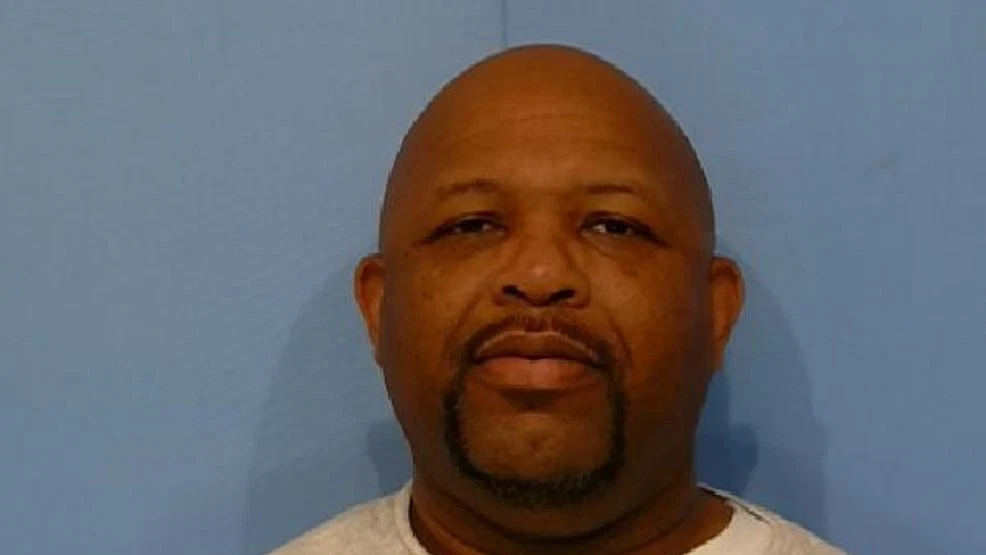
Seattle police announced they connected 57-year-old Mark Anthony Russ to the case after testing DNA evidence collected from the crime scene and stored 31 years earlier. They located their suspect on Tuesday by processing his DNA through an inmate database, though officials declined to specify where and how Russ was apprehended.
“We have a suspect under arrest who will be charged, and most of these questions as far as the case details, need to be answered at a later time at a different location and that’s going to be the King County Courthouse,” SPD Detective Rolf Norton explained.
Seattle Police homicide investigators informed Tanya’s family of the arrest on Tuesday evening.
Multiple generations of investigators have worked on this case seeking answers in the death of the Washington Middle School graduate who participated in her church and volunteered at a local soup kitchen.
One of those homicide detectives responding to the scene was Cloyde Steiger, who was newly assigned to the homicide unit in 1994, before dedicated crime scene investigation teams existed.
“I started working with other detectives, tracking down leads on this case,” Steiger recalled. “The key is it has to be collected properly and stored properly for 31 years that you can go back and do more tests, and forensic science just caught up with this guy, like it does a lot of people.”
Russ waived his first court appearance on Wednesday, where the prosecutor listed portions of his extensive criminal history.
“He has a series of convictions from 1996 for attempted rape in the first degree, burglary in the first degree, and robbery in the first degree,” the prosecutor noted.
The Department of Corrections confirmed Russ received resentencing by the court in 2021 and was released to begin court-ordered supervision that concluded in 2023.
The judge found probable cause to charge Russ with first-degree murder and to detain him without bail.
Chief Barnes emphasised that the arrest does not warrant celebration, but rather reflection on the loss of a young girl whose life ended prematurely.
“Her life mattered. Let me say that again: her life mattered,” Barnes stated.
Significant questions remain unanswered, including possible motives for Tanya’s death and whether the attack was random or targeted.
The case exemplifies how advances in forensic science can resolve cold cases that remained unsolvable with earlier technology. DNA analysis techniques available today far exceed capabilities from the 1990s, enabling investigators to extract and compare genetic profiles from evidence that yielded insufficient results decades ago.
The preservation of evidence from the crime scene proved crucial to the eventual breakthrough. Many departments faced challenges maintaining evidence integrity over extended periods, particularly before digital cataloguing systems and climate-controlled storage became standard practice. The fact that investigators could successfully analyse material collected 31 years earlier demonstrates meticulous evidence management by Seattle police.
The utilisation of inmate databases represents another investigative tool unavailable during the original investigation. As criminal justice systems have expanded DNA collection from convicted offenders, law enforcement agencies have built comprehensive databases enabling comparisons against unsolved crime evidence. This case apparently resulted from matching crime scene DNA against profiles from individuals who entered the criminal justice system after Tanya’s murder.
Russ’s 1996 convictions for violent offences, occurring just two years after Tanya’s death, raise questions about whether earlier DNA collection might have resolved the case sooner. However, DNA database programmes expanded gradually over time, with collection requirements varying by jurisdiction and offence type.
The Department of Corrections’ confirmation that Russ completed supervision in 2023 indicates he was living freely in the community when investigators identified him as a suspect. The timing suggests the DNA match may have occurred relatively recently, possibly prompted by renewed attention to cold cases or advances in analysis techniques.
For Tanya’s family, the arrest represents a bittersweet milestone. Whilst it offers hope for accountability after three decades of uncertainty, it cannot restore the years lost grieving without answers or return a daughter, sister, and friend taken at age 14.
The case joins numerous cold case resolutions achieved through DNA technology in recent years. As analysis capabilities continue improving and databases expand, law enforcement agencies increasingly revisit unsolved crimes, offering families hope that even decades-old cases might eventually see resolution.
The multi-generational investigation effort reflects the dedication required for cold case work. Detectives who initially worked the case have since retired, yet their careful evidence collection and documentation enabled their successors to pursue justice decades later.
Community members who remembered Tanya’s disappearance and the fear it generated throughout Seattle neighbourhoods expressed relief at the arrest whilst mourning the decades her family spent without answers.
Prosecutors will now build their case for trial, presenting DNA evidence alongside other investigative findings to establish Russ’s culpability beyond reasonable doubt. Defence attorneys will scrutinise the evidence chain of custody, testing methodology, and investigative procedures spanning three decades.
The suspect could face formal charges this week as prosecutors finalise their case presentation.