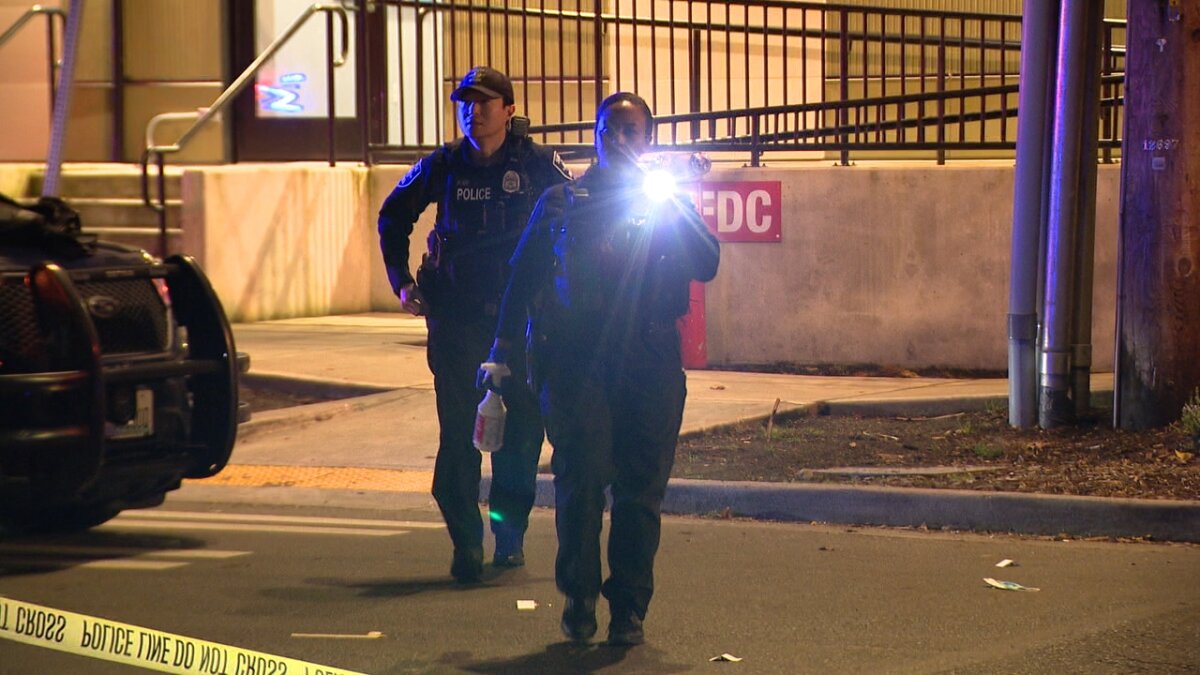
The Seattle Police Department has reported a spike in armed carjackings across the city, with many involving teenage suspects, straining investigative resources and raising public safety concerns.
The increase includes an incident more than a week ago in Belltown in which a 14-year-old boy was shot in self-defence after police stated he was amongst a small group attempting to carjack a driver.
The teen remains in critical condition. Detectives warn they are facing a backlog of cases, whilst a state lawmaker fears the trend will worsen without legislative changes.
Representative David Hackney indicated the rise in youth-involved carjackings is alarming.
“It’s an extremely dangerous behaviour,” Hackney stated.
According to SPD, “There have been multiple recent carjackings in Seattle… the overwhelming majority are believed to be juveniles.”
Just hours after the Belltown incident, police stated at least two more teens were involved in a separate armed carjacking attempt in North Seattle, underscoring the pace of cases investigators are handling.
Prosecutors have also expressed concern about the violence, warning that the emotional impact on victims can be severe.
“Anytime you see the report of one carjacking, that’s pretty traumatising for the victim,” stated Casey McNerthney, a spokesperson for the King County Prosecuting Attorney’s Office.
The surge has intensified debates in Olympia about how the justice system handles armed juveniles. Hackney believes more serious intervention is needed to reduce the crimes.
“As law enforcement is not keeping up, individuals are going to take it into their own hands,” Hackney stated, pointing to the Belltown shooting as an example of the dangerous consequences.
Hackney is pushing to revive House Bill 1536, legislation he previously sponsored that stalled last session. He indicated the current law requires a juvenile to be convicted of possessing a firearm five times before they can be held in the criminal justice system, an approach he believes is far too lenient.
“There needs to be serious intervention at that time,” he stated.
The bill would have reduced the required gun-possession convictions from five to three.
“I recognise there’s a sentiment that incarcerating youth traumatises them. But so does violent crime traumatise the rest of the community,” he stated.
Police acknowledge the challenge of solving these cases, describing them as difficult and often complex. As the investigations continue, officers urge drivers to take precautions, including keeping vehicle doors locked at all times.
The surge in armed carjackings involving juvenile suspects in Seattle represents a troubling convergence of youth crime trends, gun access issues, and juvenile justice policy debates that pit rehabilitation-focused approaches against public safety imperatives in an environment where victims and communities increasingly feel vulnerable to violent property crimes.
The Belltown incident in which a 14-year-old was shot in self-defence by a driver during an attempted carjacking illustrates the deadly potential of these encounters. The fact that the teen remains in critical condition more than a week later underscores the life-altering consequences that can result when juveniles commit armed crimes, facing not only legal consequences but also serious physical harm or death when victims defend themselves.
The occurrence of at least two additional teen-involved armed carjacking attempts in North Seattle just hours after the Belltown shooting demonstrates the frequency and widespread nature of the problem. This pace of incidents creates investigative backlogs as detectives must process crime scenes, interview victims and witnesses, review surveillance footage, and attempt to identify and apprehend suspects across multiple simultaneous cases.
Casey McNerthney’s observation about the traumatising impact on carjacking victims highlights an often-overlooked dimension of these crimes. Beyond the immediate fear and potential physical harm, victims frequently experience lasting psychological effects including anxiety, hypervigilance, sleep disturbances, and reluctance to drive or be in vehicles, symptoms consistent with post-traumatic stress that can persist long after the incident.
The legislative debate centred on House Bill 1536 reflects fundamental tensions in juvenile justice philosophy. Representative Hackney’s position that current law requiring five gun-possession convictions before detention is too lenient represents a public safety perspective prioritising immediate threat reduction and deterrence. The opposing view, which Hackney acknowledges but disagrees with, holds that incarcerating youth causes trauma that can perpetuate criminal behaviour rather than preventing it.