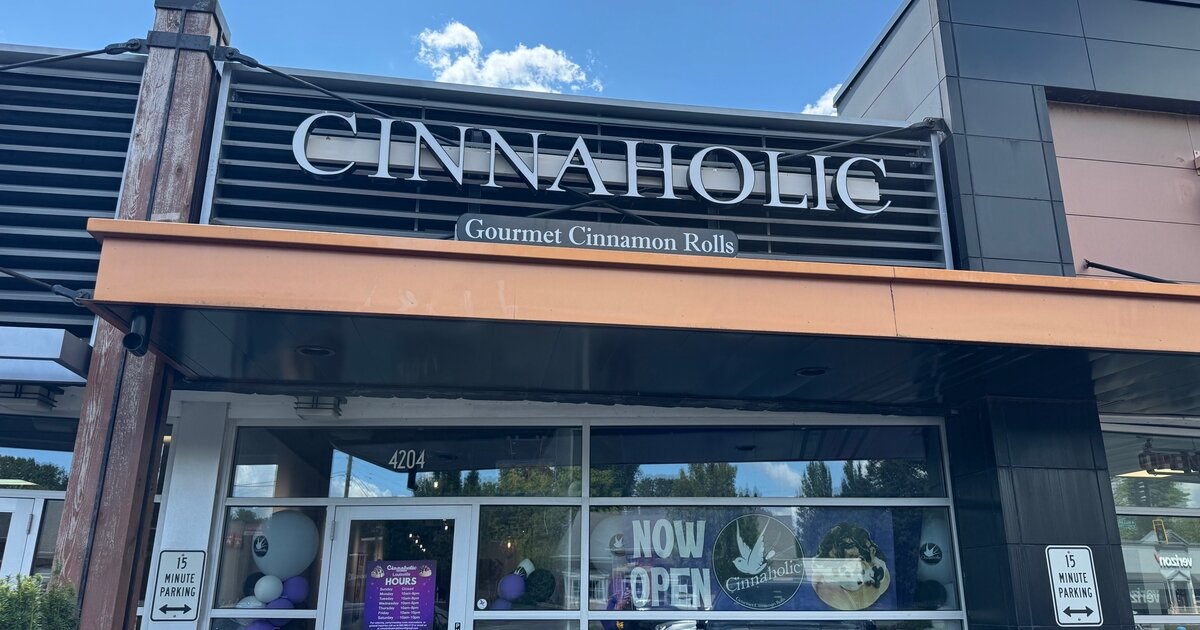
Seattle police detectives in the Arson Bomb Squad are seeking public assistance identifying a suspect after patrol officers responded December 25, 2025 to reports of fire at Cinnaholic Bakery in the 800 block of East Pike Street. Seattle Fire Department extinguished flames that damaged the business’s exterior wall, with additional damage occurring during emergency response, and the Fire Marshall determined the blaze was intentional after cardboard outside the business was set on fire. Video surveillance captured footage of the suspect but image quality is low, and first responders didn’t see anyone in the area upon arrival. The Christmas Day timing, Capitol Hill location at popular bakery, and intentional nature raise questions about whether this was targeted attack on the business, random act of vandalism, or crime of opportunity by someone experiencing homelessness or mental health crisis who happened to be near the business when they decided to set fire.
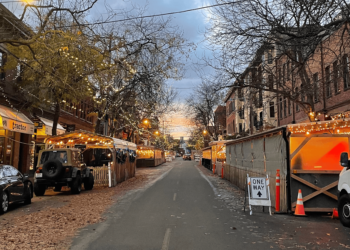
The 800 block of East Pike Street places Cinnaholic in Seattle’s Capitol Hill neighborhood, a dense urban area with mix of restaurants, retail shops, nightlife venues, and residential buildings. Pike Street is major east-west arterial through Capitol Hill that experiences significant foot and vehicle traffic, making it somewhat surprising that no witnesses reported seeing someone setting the fire despite it occurring on Christmas Day when some people would have been out despite holiday closures. Whether the arsonist chose Christmas specifically because they knew fewer people would be around and businesses would be closed, or whether timing was coincidental, affects interpretation of intent and planning versus opportunistic crime.
Cinnaholic is vegan cinnamon roll bakery with locations nationwide, though whether the Seattle location was specifically targeted for its vegan identity, or simply happened to be where the arsonist found cardboard that could be ignited, remains unclear. Businesses promoting veganism sometimes face vandalism or attacks from people opposed to vegan lifestyles or animal rights advocacy, though such targeting is relatively rare. More commonly, commercial arsons stem from financial motives like insurance fraud, personal grievances against owners or employees, or random acts by people experiencing mental illness or substance impairment who set fires impulsively without specific targeting.
The fact that cardboard outside the business was set on fire rather than attempting to enter the building or use accelerants suggests relatively unsophisticated arson, possibly someone who found cardboard near the business and ignited it either for warmth, out of boredom or mental illness, or with intent to damage the business but without detailed planning or resources to conduct more destructive attack. Cardboard burns quickly and generates significant heat but typically doesn’t spread to structures unless flames reach combustible building materials or are sustained long enough for heat transfer to ignite adjacent surfaces.
The damage to the exterior wall indicates flames reached the building and caused some structural or cosmetic harm requiring repair, though “additional damage occurred during the emergency response” suggests firefighters’ actions to extinguish flames, which might include breaking windows, cutting walls to check for fire spread, or water damage from hoses, created secondary harm beyond what the fire itself caused. That’s typical of commercial fire response where preventing fire spread and ensuring complete extinguishment requires aggressive tactics that damage property beyond what flames alone would affect.
The Fire Marshall’s determination that the blaze was intentional rather than accidental means investigators found evidence of deliberate ignition, likely including lack of ignition sources that would explain accidental fire, patterns suggesting accelerant use or multiple ignition points, or witness statements and video showing someone deliberately setting the fire. Arson investigations involve careful examination of burn patterns, material testing for accelerants, and ruling out accidental causes like electrical failures, discarded cigarettes, or spontaneous combustion before concluding fires were intentionally set.
The request for Seattle Fire Department to document suspected arson through police report reflects standard protocols where fire departments handle emergency response and investigation of fire origin and cause, while police departments handle criminal investigations of intentional fires including identifying suspects, interviewing witnesses, collecting evidence, and presenting cases to prosecutors. That division of responsibilities requires coordination between SFD Fire Marshall investigators and SPD Arson Bomb Squad detectives who work together on arson cases.
The video surveillance footage capturing the suspect but with low image quality is common challenge in arson investigations. Many businesses have cameras but resolution, lighting conditions, camera angles, and distance from subjects affect whether footage provides clear identification. Low quality images might show general physical characteristics like height, build, clothing, and movements but not facial features clear enough for definitive identification without someone recognizing the person from contextual details. That’s why police are requesting public assistance, hoping someone will recognize the suspect from partial images combined with knowledge of who was in that area on Christmas Day.
The absence of anyone in the area when first responders arrived suggests either the suspect fled immediately after setting the fire, or they remained nearby but out of sight watching emergency response. Arsonists sometimes stay to observe results of their actions, either from psychological compulsion to witness destruction they caused or to ensure fire achieved intended effect. First responders trained to note people watching fires because such observers sometimes include perpetrators, but someone could observe from distance or from inside nearby buildings without being noticed by firefighters focused on extinguishing flames.
For Capitol Hill businesses and residents, an intentional fire on Christmas Day creates concern about public safety and whether additional arsons might occur. If this was random act by someone experiencing crisis rather than targeted attack on Cinnaholic, other businesses could be vulnerable to similar incidents. If it was targeted, questions about motivation and whether perpetrator might strike again affect security measures businesses implement and community members’ sense of safety in the neighborhood.
The call for public assistance through SPD Non-Emergency Line at 206-625-5011 indicates detectives believe someone might recognize the suspect from surveillance images despite low quality. People familiar with the suspect, whether friends, family, neighbors, or service providers, might recognize clothing, physical characteristics, mannerisms, or context clues like being in that area at that time. The non-emergency line rather than 911 is appropriate because this isn’t active emergency but rather investigation of crime that occurred weeks ago.
The Arson Bomb Squad’s involvement rather than general detectives reflects specialization required for fire investigations. ABS detectives have training in fire dynamics, evidence collection from fire scenes, accelerant detection, and patterns of arson behavior that general investigators might not possess. They also handle bombings and explosive devices, though this case appears to be straightforward arson without explosives involved beyond ignition source used to light the cardboard.
For Cinnaholic, the fire caused disruption during holiday season and created costs for repairs beyond insurance coverage and lost business during closure or reduced operations. Small businesses operating on thin margins can struggle to absorb unexpected costs from vandalism or arson, particularly if repairs take weeks and customers go elsewhere during closure. Whether Cinnaholic had adequate insurance coverage, whether they’ll remain at the location or relocate, and whether the incident affects their long-term viability in Capitol Hill depends on their financial stability and management’s assessment of ongoing risks.
The investigation’s success depends heavily on whether surveillance footage yields identification through public tips, whether additional evidence exists that detectives haven’t disclosed, and whether the suspect has prior arson history that could link them to this incident. Many arsonists are recidivists who set multiple fires, creating patterns that help investigators identify suspects. If this suspect has prior arson arrests or is known to police for related behaviors like trespassing, vandalism, or mental health crises, that information combined with surveillance footage might lead to identification.
For residents and visitors to Capitol Hill’s Pike Street corridor, the arson serves as reminder of urban crime affecting commercial districts. While serious crimes like arson are relatively rare compared to property theft or vandalism, their potential to cause injury or death and their destructive nature make them particularly concerning. Businesses and residents might review their own security measures, including exterior lighting, security cameras, clearing combustible materials from building exteriors, and reporting suspicious activity to police before incidents occur.
The Christmas Day timing might have been chosen strategically by someone knowing businesses would be closed and streets less crowded, reducing chance of being observed or interrupted while setting fire. Alternatively, someone experiencing homelessness or crisis might have been seeking warmth or acting impulsively without regard for date or consequences. Without knowing suspect’s motivations, speculation about whether this was calculated or spontaneous remains uncertain.
The low quality of surveillance images, while frustrating for investigation, is common reality of urban security camera systems. Businesses often install cameras primarily as deterrents rather than ensuring resolution and positioning would provide investigation-quality footage. Upgrading camera systems costs money many small businesses can’t easily afford, creating trade-offs between security investments and other business needs. Whether Cinnaholic’s cameras were typical of what small retail businesses install or whether there were specific failures like obstructed views, poor lighting, or outdated equipment affects lessons other businesses might learn about security systems.
The public assistance request reflects reality that many crimes are solved through community tips rather than purely through forensic evidence or detective work. People who know suspects often recognize them from partial descriptions or images that wouldn’t lead to identification by strangers. Whether anyone responds to this request with information leading to identification and arrest depends on whether the right person sees the publicity, recognizes the suspect, and is willing to contact police despite whatever relationship they might have with the suspect.
For Seattle Police Department’s Arson Bomb Squad, this case represents one of many fire investigations they handle annually across the city. While each case receives attention, resources are limited and cases without strong leads or patterns connecting to other incidents might not receive extensive investigation beyond initial evidence collection and public outreach. Whether detectives actively pursue additional investigative leads beyond surveillance footage analysis and public tips depends on case priority compared to other arsons involving greater damage, injury risk, or investigative leads suggesting solvability.
The Christmas Day arson at Cinnaholic Bakery on Capitol Hill’s Pike Street remains unsolved pending identification of the suspect captured on low-quality surveillance footage. Whether someone recognizes the suspect and provides information leading to arrest, or whether the case remains cold, will determine if there’s accountability for intentionally setting fire that damaged local business and required emergency response. For now, Seattle police are asking anyone recognizing the person in photographs to call the non-emergency line, hoping community assistance will provide the break investigators need to solve this case and prevent potential future arsons by the same individual.