Seattle’s Office of Labor Standards announced that thousands of Amazon Flex drivers will receive payments following a nearly $3.8 million settlement between the agency and the company over violations of the city’s gig worker protection laws.
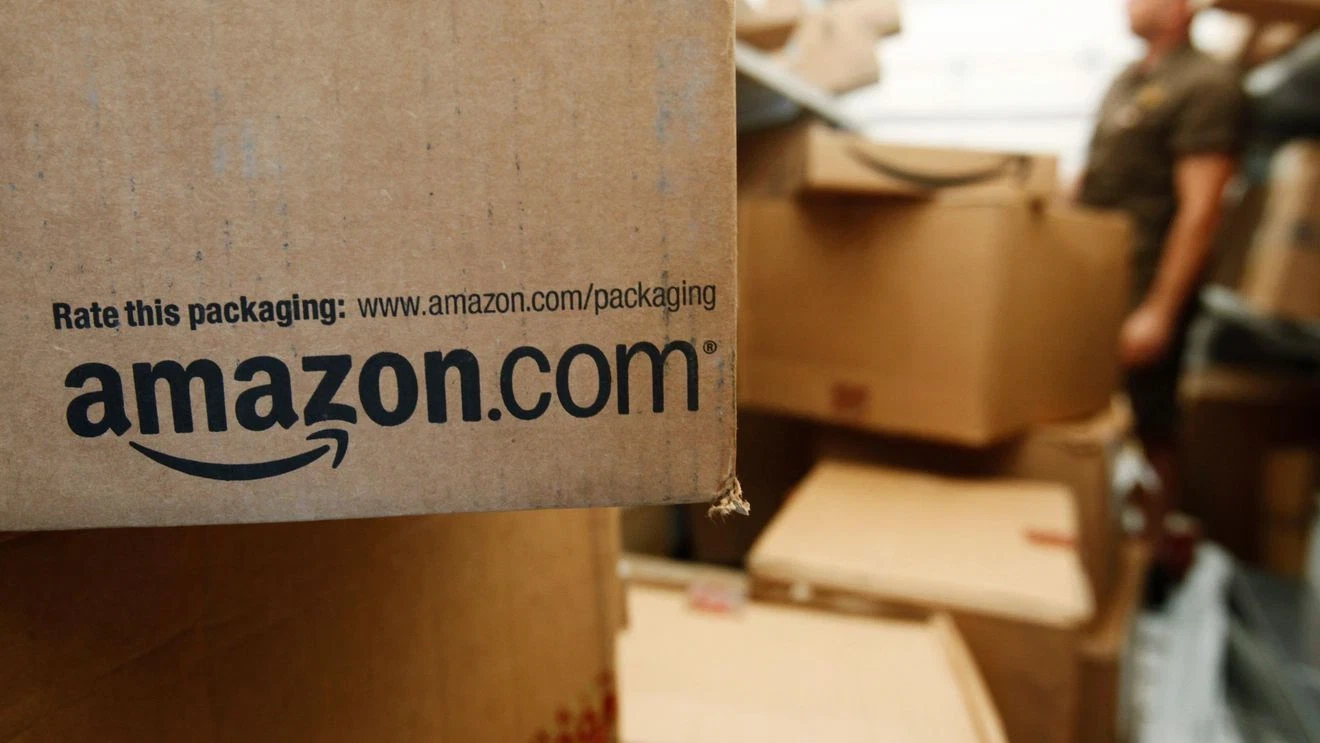
Amazon Flex operates as a network company contracting with drivers to deliver items across multiple Amazon business lines. The company employs thousands of workers in Seattle and hundreds of thousands globally. Drivers use personal vehicles to deliver Amazon packages to customers.
“These are not workers who were employees of Amazon Flex. They were taking individual engagements as many gig workers do,” explained Steve Marchese, director of Seattle’s Office of Labor Standards.
The agency investigated Amazon Logistics, Inc., also known as Amazon Flex, over allegations the company failed to provide required premium pay or paid sick and safe time to many delivery workers. According to the investigation, Amazon Flex only offered those benefits to drivers delivering groceries or food, excluding those handling package deliveries from Amazon warehouses.
“Our laws here are specific about the protections that they provide to gig workers because we believe it’s really important that we are making sure they are treated fairly,” Marchese stated. “Gig workers who were doing delivery services were making it possible for most of us to be able to be home during the Covid-19 pandemic.”
Amazon Flex denied the allegations but agreed to resolve claims under three city ordinances for a total of $3,777,924.10. The settlement includes payments and paid sick and safe time credits for 10,968 workers, plus $20,000 in fines to the City of Seattle.
Workers can expect payments starting around January 1, 2026. The $20,000 in fines will be deposited into the city’s general fund, according to Marchese.
Mayor Bruce Harrell said gig workers played a crucial role during the pandemic and remain an important component of the city’s workforce.
“These workers remain a valued part of our workforce today and deserve fair pay and protections,” Harrell said. He added that the settlement demonstrates Seattle’s commitment to holding companies accountable when they fail to meet legal requirements.
Marchese characterized the case as the second-largest settlement in the agency’s history. He noted that the protections were created quickly during a particularly difficult period and emphasized that gig workers continue being essential to Seattle’s economy.
Danielle Alvarado, Executive Director of Working Washington, said the settlement underscores the importance of worker organizing and enforcing labor protections. She stated the resolution helps ensure money “gets put back in workers’ hands where it belongs.”
The nonprofit organization commended the Office of Labor Standards for investigating drivers’ initial concerns to ensure corporations are held accountable in the city. Hannah Sabio-Howell, communications director with Working Washington, estimated Seattle has at least 40,000 gig workers.
“These are oftentimes workers with disabilities, people of color, immigrants, people for whom traditional employment can be really difficult,” Sabio-Howell continued.
The Gig Worker Premium Pay and Gig Worker Paid Sick and Safe Time laws were temporary measures passed during the COVID-19 emergency to ensure gig workers received extra pay and had access to sick leave. Both expired when the mayor lifted the emergency order on October 31, 2022.
Under the Gig Worker Premium Pay Ordinance, the Office of Labor Standards alleged that from August 27, 2021, to October 31, 2022, Amazon Flex failed to provide premium pay for Seattle-area deliveries that were not part of its food or grocery services.
The App-Based Worker Paid Sick and Safe Time Ordinance, which took effect in May 2023, initially applied to Food Delivery Network Companies. As of January 13, 2024, it expanded to cover all app-based workers for network companies with more than 250 workers.
Under the Gig Worker PSST Ordinance and the App-Based Worker PSST Ordinance, the agency alleged that between January 31, 2021, and January 12, 2024, the company failed to offer an accessible system for workers to request and use paid sick and safe time, except for workers delivering for food and grocery business lines.
The company also failed to provide correct monthly paid sick and safe time notifications for those same workers, the Office of Labor Standards alleged.
Amazon released a statement Wednesday addressing the settlement: “The Puget Sound region is our home, and we’re proud to serve customers here while supporting the community through good job opportunities, support for local small businesses and organizations, and hundreds of millions in local investments. We’ve always complied with Seattle laws relating to providing paid sick and safe time to delivery partners, including when the City Council enacted emergency measures during the pandemic for food delivery app-based workers, and following the 2024 expansion of the rule to include all app-based workers. While we strongly disagree with OLS on the facts of this matter, we’re pleased to put it behind us and remain focused on continuing to improve the experience for our customers and the drivers who deliver to them.”
An Amazon spokesperson provided additional background information emphasizing that settlement terms clearly state the company is not admitting fault. The settlement agreement explicitly notes that Amazon agreed to resolve claims “with no admission of liability” and “specifically disclaims any liability” while preserving all rights and defenses.
The spokesperson highlighted Amazon’s pandemic response efforts, including providing millions in grants to Seattle small businesses and nonprofit organizations and hosting vaccination clinics among other initiatives.
The company also noted that through its logistics network, it has delivered more than 60 million free meals from food banks to families across the United States and United Kingdom.
Amazon further stated: “Our impact in Washington state extends far beyond creating jobs and fueling economic growth in the Puget Sound. Since 2010, we’ve invested close to $350 billion in infrastructure and employee compensation across the state, and this year alone, we’ve partnered with more than 280 organizations throughout the Puget Sound region. Initiatives like our support of Mary’s Place and our commitment to creating and preserving affordable housing reflect how this community has shaped our priorities.”