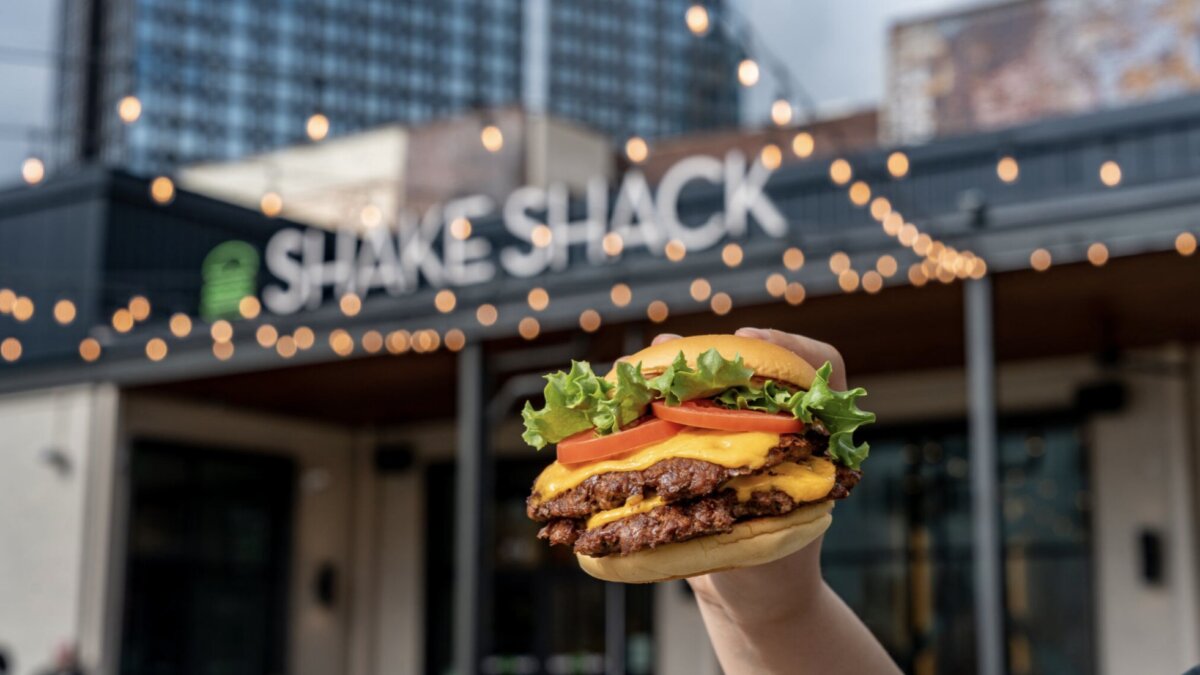
A nationally recognised burger chain is establishing its first Pierce County presence next week, extending its Washington footprint into a market that already hosts numerous competing quick-service restaurants.
Shake Shack will open its Tacoma location on 12 November at 10 a.m., choosing the Village at Tacoma Mall development at 4502 South Steele Street for its eighth Washington restaurant. The debut represents the chain’s continued migration beyond its New York City origins into suburban markets across the United States.
Opening day festivities will include distributing custom-branded miniature tote bags to early customers, a promotional tactic designed to generate initial traffic and social media attention. Such giveaways have become standard practice for restaurant chains seeking to create buzz around new locations in competitive markets.
The Tacoma restaurant will maintain operating hours from 10 a.m. until 10 p.m. Sunday through Thursday, with extended service until 11 p.m. on Friday and Saturday evenings. These hours position the location to capture lunch, dinner and late-evening dining occasions, though the 10 a.m. opening time suggests breakfast service is not part of the operational model.
Shake Shack’s menu architecture centres on burger variations alongside chicken sandwiches, hot dogs, side dishes and specialty beverages. The pricing typically positions the brand above traditional fast-food competitors whilst remaining below full-service casual dining restaurants, occupying the fast-casual category that has experienced significant growth over the past decade.
Current limited-time offerings include a French Onion Shack Stack burger and an Avocado Bacon Chicken sandwich, both designed to create urgency amongst potential customers who might delay visits if they believed identical menu options would remain available indefinitely. The chain is also promoting Parmesan Garlic Fries as an upscale alternative to standard french fries, alongside a Christmas Cookie Shake capitalising on seasonal demand.
The Tacoma opening incorporates a charitable component targeting local needs. Shake Shack has pledged to donate $1 to Nourish Pierce County for each sandwich sold on the opening day. This structure creates a direct connection between customer purchases and community benefit, potentially motivating visits from consumers who value corporate social responsibility alongside food quality.
Nourish Pierce County addresses food insecurity throughout the region, operating food banks and meal programmes for residents facing economic hardship. The partnership provides Shake Shack with positive community positioning whilst supporting an organisation whose mission aligns thematically with the restaurant industry.
The Village at Tacoma Mall location situates Shake Shack within a retail and dining complex undergoing transformation as traditional shopping centres adapt to e-commerce competition. Property owners increasingly emphasise experiential offerings including restaurants and entertainment venues as strategies to maintain foot traffic and occupancy rates.
The development has announced plans to add Dave’s Hot Chicken, Happy Lamb Hot Pot, and Supreme Dumplings, creating a diverse dining cluster designed to appeal to varied demographic groups and culinary preferences. Dave’s Hot Chicken represents the Nashville hot chicken trend that has proliferated across American markets in recent years. Happy Lamb Hot Pot and Supreme Dumplings both cater to Asian cuisine enthusiasts, reflecting demographic patterns in the Tacoma area.
This restaurant concentration strategy assumes that variety itself becomes a draw, attracting diners who might not visit for any single establishment but who value having multiple options in one location. Shopping centre operators increasingly view dining as an anchor use comparable to traditional retail anchors, creating reasons for visits beyond purchasing goods.
Shake Shack’s expansion into Tacoma follows a broader pattern of national restaurant chains identifying growth opportunities in mid-sized metropolitan areas after saturating larger coastal markets. Tacoma, with a population exceeding 200,000 in the city proper and substantially more in the surrounding metropolitan area, offers sufficient customer base to support multiple locations of successful concepts.
The chain originated as a hot dog cart in New York City’s Madison Square Park in 2001, evolving into a permanent kiosk before expanding into a restaurant empire. The company went public in 2015 at a valuation that reflected investor enthusiasm for fast-casual dining concepts positioned between traditional fast food and casual dining.
Shake Shack’s brand identity emphasises premium ingredients including Angus beef, flat-top griddle cooking methods, and made-to-order preparation. These attributes command higher prices than traditional fast-food competitors, requiring the company to target demographic segments willing to pay premiums for perceived quality improvements.
The chain’s eight Washington locations reflect gradual rather than explosive expansion within the state. This measured approach suggests either testing market response before committing to additional locations or facing operational constraints limiting simultaneous openings. Competitors including Five Guys, Smashburger, and numerous local independent burger establishments create a crowded market where differentiation proves crucial.
The premium positioning strategy carries risks in economic downturns when consumers often trade down to lower-cost alternatives. Fast-casual restaurants experienced challenges during the COVID-19 pandemic, though many have recovered as dining patterns normalised. The sector’s continued viability depends partly on sustained consumer willingness to pay elevated prices for convenience and quality.
Employment represents another dimension of the expansion, as the new location will require hiring across positions from entry-level crew members to management. Restaurant jobs provide accessible employment for workers without advanced credentials, though wages in the sector have drawn criticism from advocates arguing they remain insufficient relative to living costs in many markets.
The Tacoma location’s success will depend on multiple factors including competitive intensity, consumer income levels in the trade area, operational execution, and whether Shake Shack’s brand positioning resonates with local preferences. Some national chains struggle in markets where strong local independent restaurants have established loyal customer bases, whilst others successfully capture market share through superior marketing and operational consistency.
The November timing positions the opening ahead of the holiday shopping season, potentially benefiting from increased mall traffic as consumers visit for retail purchases. However, the winter months typically represent slower periods for restaurants compared to spring and summer, meaning the location may not achieve full potential until warmer weather arrives.