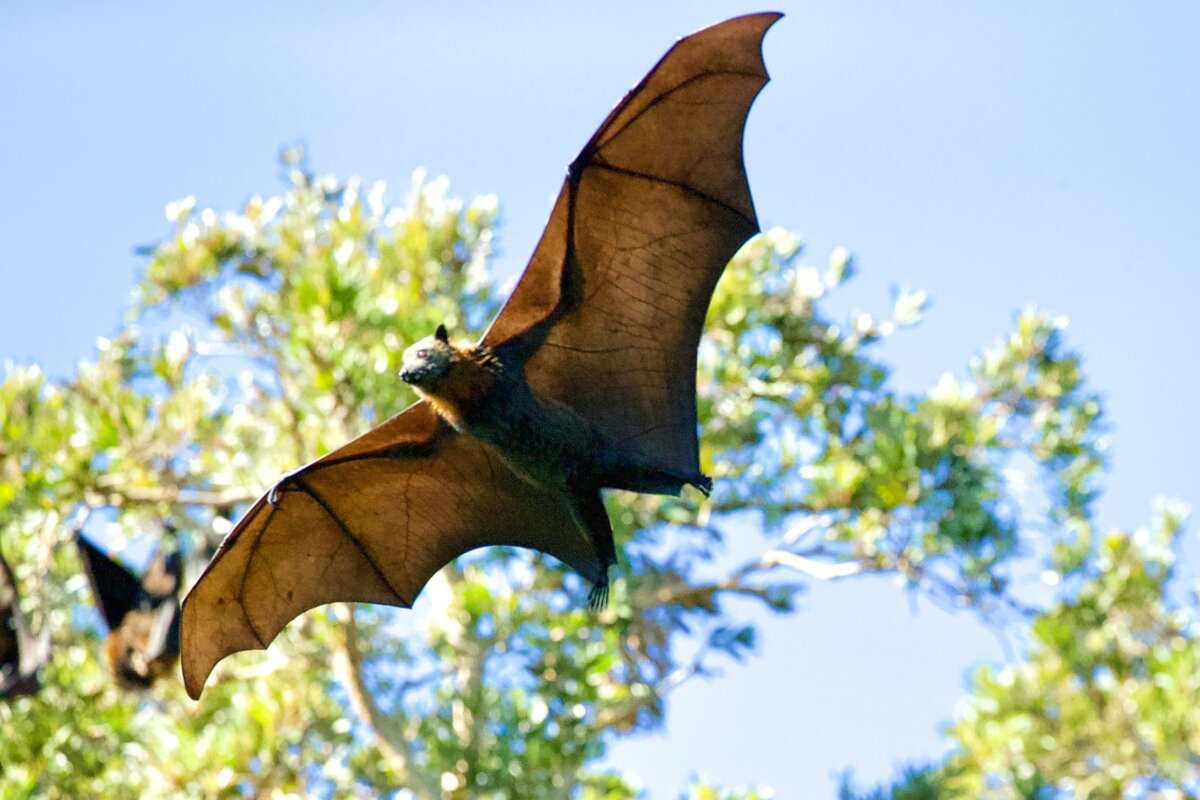
Snohomish County health officials are warning residents to take precautions after a bat tested positive for rabies last week, the first confirmed case of bat rabies in the county since 2023, with three residents having been exposed to the infected animal.
The three individuals who came into contact with the bat have been started on rabies immune globulin and are awaiting their rabies vaccine, a combination that Snohomish County Health says is expected to prevent the disease from developing entirely. Officials emphasised that there is no broader threat to the public, as rabies transmission from bats to humans requires direct contact such as a scratch or bite. In the past ten years, six bats in the Snohomish County region have tested positive for the virus.
The timing coincides with what health officials are calling the start of bat season. Warmer weather has brought bats out of their winter hibernation at the same time that residents are opening windows and doors and spending more time outdoors, increasing the likelihood of encounters. “Bat season has officially started,” said Susan Babcock, a public health nurse with the Snohomish County Health Department’s prevention services division.
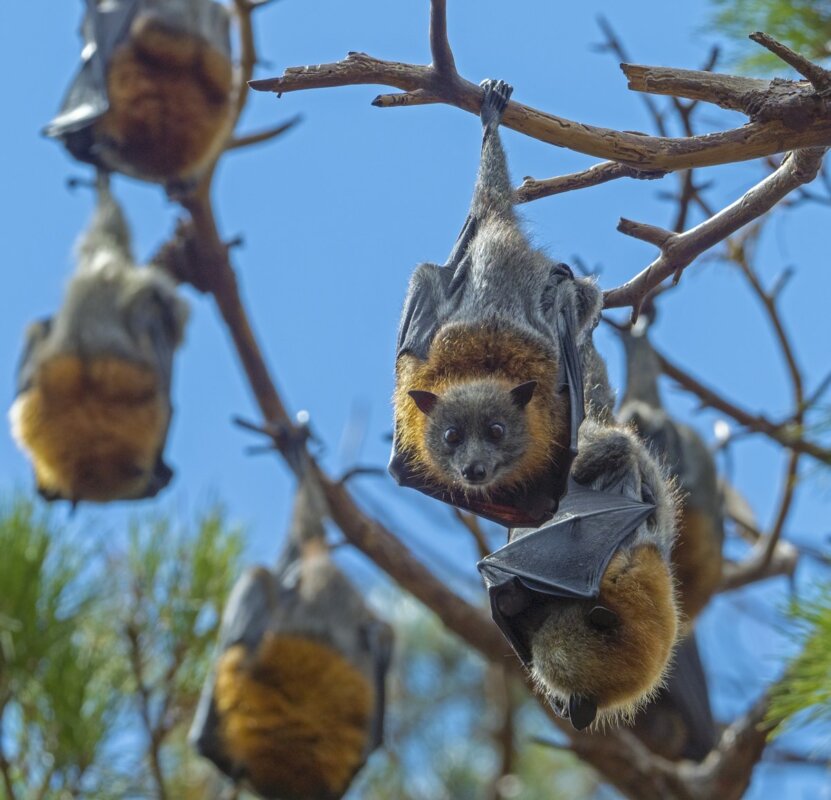
Officials were careful to note that bats should not be viewed as an inherent threat. The vast majority of bats do not carry rabies, and they play an important role in the local ecosystem as nocturnal pollinators and natural pest controllers. “They eat tons of insects each evening such as mosquitoes,” the county noted in its statement.
The Washington State Department of Health recommends several steps residents can take to reduce the risk of exposure. Homes can be bat-proofed by sealing small gaps in siding and roofing, capping chimneys, using window screens, and keeping exterior doors fully closed. Pet owners should ensure their animals are up to date on rabies vaccinations. Anyone cleaning a space such as an attic, barn, or cabin where bats may be present should wear leather gloves, long sleeves, and a wide-brimmed hat.
Residents should only attempt to capture a bat if it has had direct contact with a person or pet, was found in a room where someone was sleeping, or was in a room with a child. Bats should never be handled with bare hands. The Washington State Department of Health provides a tipsheet with instructions on how to safely capture a bat for testing.