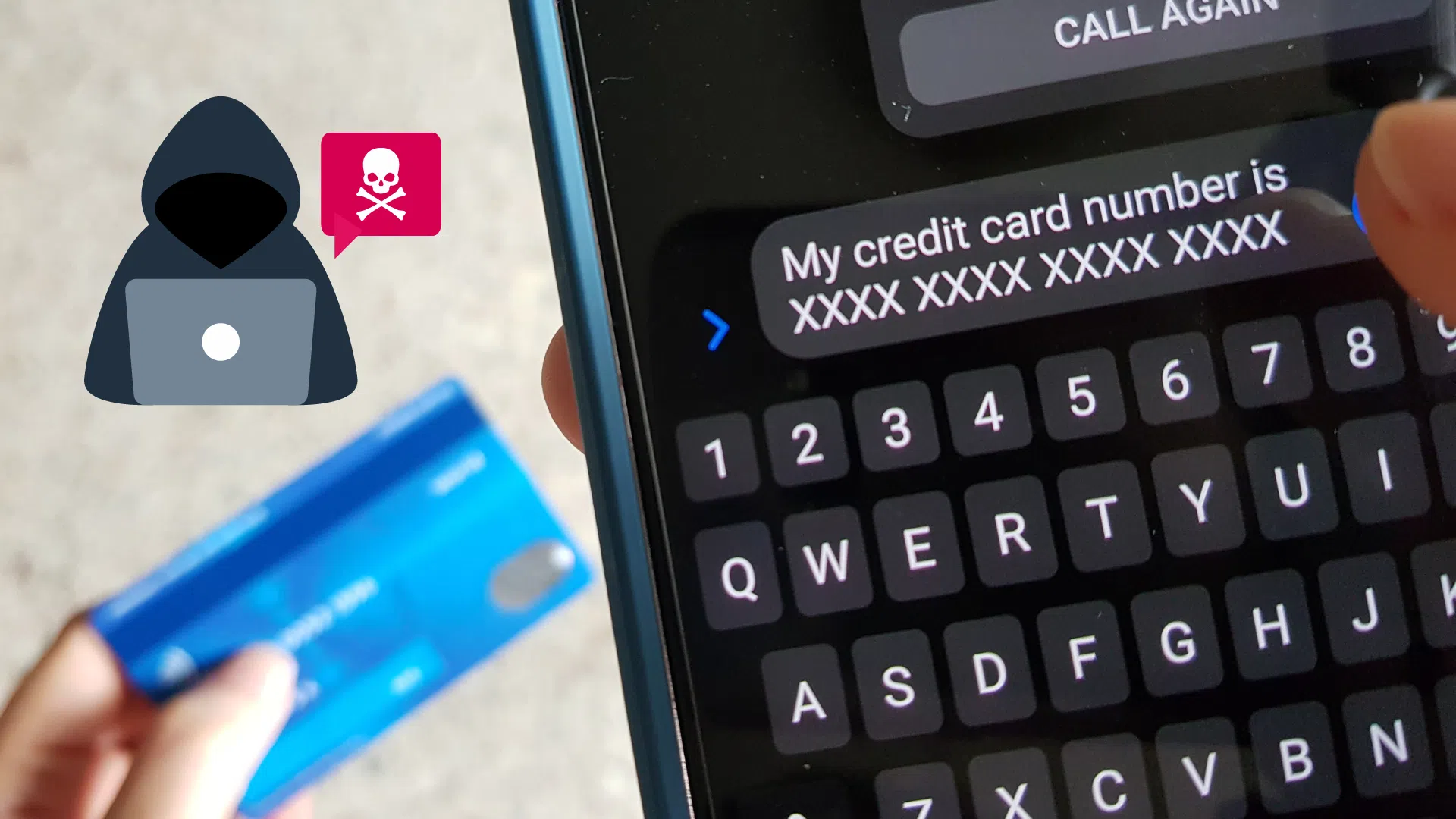
Snohomish County residents are receiving urgent warnings from the Sheriff’s Office about a dramatic surge in phone and text message scams that have already defrauded victims of thousands of dollars, with losses continuing to mount as scammers become increasingly sophisticated in their tactics.
Detectives investigating the fraud cases report that scammers, frequently operating from out-of-state locations or overseas call centres, use untraceable fake phone numbers and spoofing technology to target residents’ personal and financial information whilst impersonating legitimate institutions and government agencies.
The scam operations have affected customers at nearly every local financial institution serving Snohomish County, with no consistent pattern, theme, or demographic profile emerging that would allow potential victims to easily identify themselves as targets. The randomness of victim selection means any resident could potentially receive fraudulent contact regardless of age, income level, or banking relationships.
Recent incidents documented by investigators illustrate the variety and financial severity of the scams being perpetrated against county residents.
On 5 November, a victim lost $9,000 after being instructed by phone to deposit the money into a bitcoin machine by an individual who claimed to represent Chase Bank’s fraud department and Apple Inc., a scenario that combined impersonation of trusted brands with urgency tactics pressuring the victim to act quickly without verifying the caller’s legitimacy.
On 4 November, an elderly Bank of America customer was defrauded of $32,765 by criminals who posed as representatives from multiple government agencies including the FBI, as well as Publishers Clearing House, using the victim’s trust in authority figures and promises of prize winnings to manipulate them into providing access to their accounts.
Additional cases demonstrate the range of techniques scammers employ to steal money and information from unsuspecting residents.
On 13 October, a Sound Credit Union customer was tricked into granting remote access control of their banking accounts to a scammer, resulting in a $1,000 loss through numerous small transactions designed to avoid triggering fraud alerts that larger withdrawals might have generated.
On 12 October, a victim’s mobile phone was remotely locked into SOS emergency mode after the individual responded to a fraudulent text message, a technique that allowed scammers to access stored credit card information and make unauthorised charges totalling $2,499.84 before the victim could regain control of their device.
On 9 October, a BECU customer was manipulated into depositing $500 at a retail location using a barcode sent via text message, a newer scam variant that exploits retail payment systems to quickly extract money before victims realise they’ve been defrauded.
The Snohomish County Sheriff’s Office is advising residents to remain vigilant and follow specific protective measures to avoid falling victim to these increasingly sophisticated fraud schemes.
Residents should avoid answering calls or text messages from unknown or unfamiliar numbers, as engaging with scammers even briefly can mark individuals as responsive targets for follow-up attempts. Never share personal or financial information including Social Security numbers, account numbers, passwords, or security codes over the phone or via text message, regardless of how legitimate the request may appear.
Always verify callers independently by ending the call and contacting the claimed institution directly using official phone numbers found on statements, websites, or other trusted sources rather than numbers provided by the caller.
Law enforcement agencies and government entities will never demand money by phone, request payments for missed jury duty obligations, or ask for funds to clear warrants or resolve legal matters. Any such contact should be immediately recognised as fraudulent regardless of how official or urgent it may sound.
Residents should be particularly wary of urgency or pressure tactics where callers create artificial deadlines, claim accounts will be closed, or threaten legal action unless immediate payment is made. These high-pressure techniques are designed to prevent victims from thinking critically or seeking advice from family, friends, or legitimate advisors.
Never make payments using gift cards, wire transfers, or cryptocurrency, as these payment methods are virtually impossible to trace or recover once sent. Legitimate businesses and government agencies do not request payment through these channels.
Report any suspicious calls, texts, or attempted scams to the Snohomish County Sheriff’s Office and to the institutions being impersonated, as this information helps investigators identify patterns and potentially disrupt ongoing fraud operations.