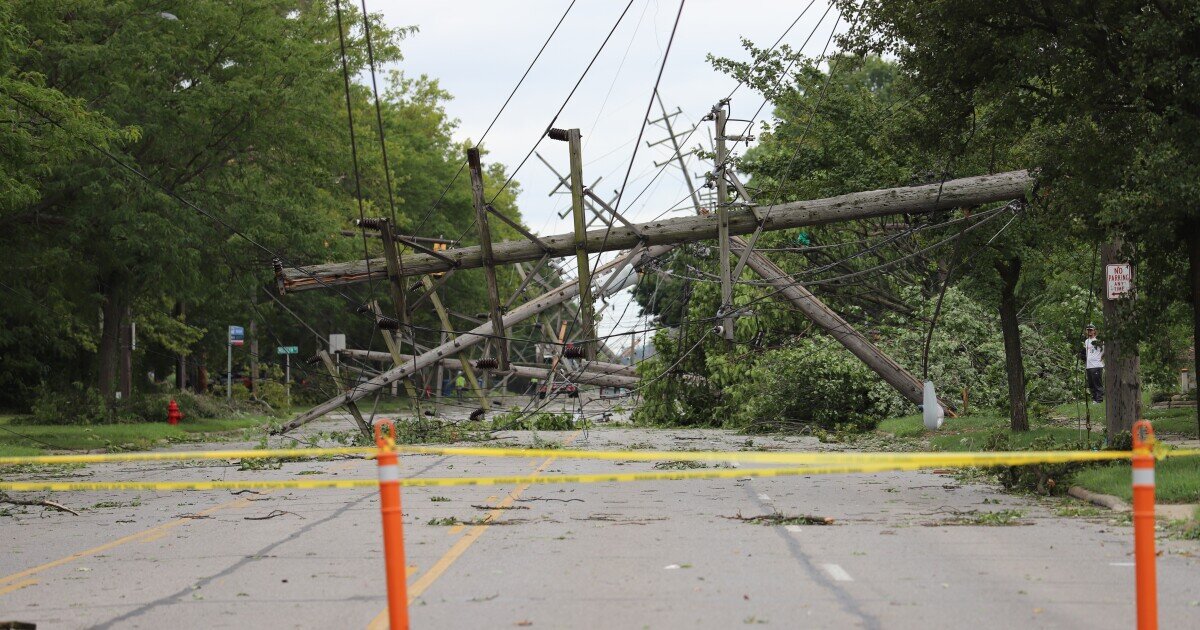
Strong winds battered western Washington Tuesday, leaving more than 180,000 customers without electricity across the Puget Sound region and coastal communities as utility crews worked through the night to restore service.
By Wednesday morning at 6 a.m., the scale of the outage became clear as regional utilities reported damage across their service territories.
Puget Sound Energy bore the brunt of the storm, with 611 separate outages affecting 142,847 customers throughout its expansive service area covering much of King, Pierce, Kitsap, and Thurston counties. The sheer number of simultaneous outages stretched repair crews thin as they responded to calls from communities across the region.
Snohomish County Public Utility District reported 61,081 customers sitting in the dark, making it the second-hardest hit utility. The county’s tree-lined neighborhoods and rural areas proved particularly vulnerable to wind damage as gusts toppled branches onto power lines.
Tacoma Public Utilities counted 17,202 customers without power, while smaller utilities also reported significant impacts. Grays Harbor Public Utilities on the coast reported 20,000 customers affected as of 4 a.m., though that number represented conditions several hours before the wider morning assessment.
Peninsula Light Company, serving the Key Peninsula and Gig Harbor areas, reported 1,594 customers without service. Clallam County Public Utility District on the Olympic Peninsula counted 985 customers in the dark.
Only Seattle City Light, which serves the densest urban core where underground power lines are more common, reported relatively minor impacts with 214 customers affected.
The Tuesday windstorm arrived as forecasters had warned, delivering sustained winds of 30 to 40 mph with gusts exceeding 50 mph in exposed areas. The powerful southwesterly winds found easy targets in trees weakened by weeks of heavy rainfall that saturated soil and loosened root systems.
Residents throughout the region reported hearing loud cracks as trees snapped and fell, often taking power lines down with them. The sound of transformers exploding punctuated the night as electrical equipment failed under the strain.
Utility crews faced challenging conditions as they worked to restore power. The same winds that caused the damage made it dangerous to work near power lines and in bucket trucks. Rain continued falling in many areas, adding to the misery of outdoor repair work in December darkness.
For customers sitting without power, the experience ranged from inconvenient to potentially dangerous depending on individual circumstances. Those relying on electric heat faced dropping indoor temperatures as the night wore on. People dependent on medical equipment powered by electricity scrambled to implement backup plans.
Refrigerators and freezers full of holiday groceries began warming as hours without power stretched on. Families with young children struggled to keep them comfortable and entertained without lights, television, or internet access.
The timing, just over a week before Christmas, added stress for households preparing for the holiday. Baking plans were disrupted, decorative lights went dark, and the general chaos of outages collided with an already busy season.
Safety officials urged residents to follow basic precautions during the outages. Never approach downed power lines, which can remain energized even when lying on the ground. Stay at least 30 feet away and report them immediately to utility companies or 911 if they pose immediate danger.
Avoid using generators indoors or in attached garages, as they produce deadly carbon monoxide gas. Keep generators outside with exhaust directed away from windows and doors. Never connect generators directly to home electrical panels without proper transfer switches installed by electricians.
Resist the temptation to use gas stoves, ovens, or outdoor grills for indoor heating. These devices consume oxygen and produce carbon monoxide in enclosed spaces, creating suffocation and poisoning risks.
Battery-powered flashlights and LED lanterns provide safer lighting than candles, which cause numerous house fires during power outages each year. If you must use candles, never leave them unattended and keep them away from anything flammable.
Food safety becomes a concern during extended outages. Keep refrigerator and freezer doors closed as much as possible. A closed refrigerator keeps food cold for about four hours. A full freezer maintains freezing temperatures for 48 hours if unopened, while a half-full freezer lasts about 24 hours.
When in doubt about food safety, throw it out. Never taste food to determine if it’s safe. Harmful bacteria don’t always produce noticeable odors or appearance changes. Meat, poultry, fish, eggs, and dairy products become unsafe relatively quickly without proper refrigeration.
Utility companies urged customers to report outages through their apps, websites, or phone systems rather than assuming neighbors had already called. Each report helps crews map damage and prioritize restoration efforts.
As Wednesday dawned, the winds that caused the chaos began subsiding, allowing utility crews to work more safely. However, the extensive damage meant many customers would wait hours or even days for power restoration as crews systematically repaired lines and replaced damaged equipment across the region.