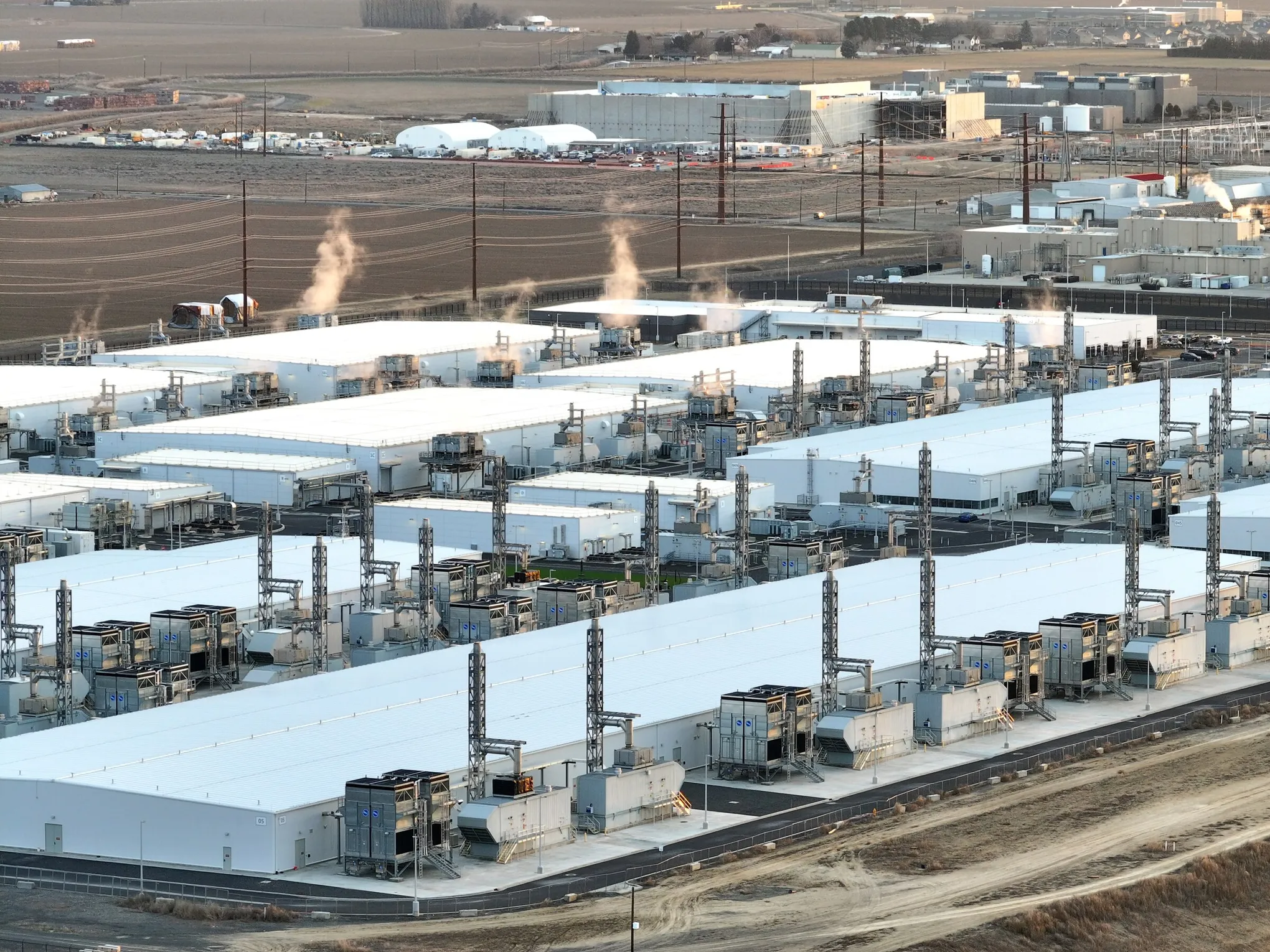
A Washington state bill requiring utilities and data center companies to protect ratepayers from increased power costs and disclose environmental impacts failed after Microsoft and Amazon lobbied against it, causing the Senate Committee on Ways & Means to miss a legislative deadline without voting.
House Bill 2515 had garnered support among Democratic lawmakers before Microsoft, which has roughly 30 data centers in the state, publicly opposed the bill on Friday. “We respectfully urge the committee not to advance the bill without significant changes,” Lauren McDonald, Microsoft’s senior director of Washington state government affairs, said in testimony. She described the legislation as “uniquely anti-competitive.”
HB 2515 gained support from environmental groups, tribal nations, and ratepayer advocates warning that rapid data center expansion risked driving up utility bills and straining limited water supplies. “This bill is about fairness, grid reliability, transparency, and protecting our clean energy commitments. It’s easy for big tech to make big promises in a press release. But when states ask for accountability to those promises, their commitment evaporates,” said Rep. Beth Doglio, D-Olympia.

Opponents from the tech sector, labor and local municipalities that have benefited financially from the facilities said developments support essential computing infrastructure, create jobs and provide increased property tax revenue. Across the U.S., leaders and communities worry about harms posed by the surge in data centers powering the internet and AI, pushback reaching the White House, where President Trump this week is convening major tech companies to pledge they would not drive up electric bills.
Proponents said HB 2515 aligns with climate pledges big tech companies have made, vowing to use clean energy and offset carbon emissions. They called the bill a necessary step to put rules in place for the booming data center sector. “Lobbying by the tech companies killed the bill. And unfortunately, the Legislature let it happen, passing on a critical opportunity to put common sense guardrails in place,” said Zach Baker, policy director for the nonprofit NW Energy Coalition.
Doglio indicated she wasn’t giving up on the issue. “The impacts of these facilities are real, on our power grid, our water resources, our greenhouse gas emissions and people’s utility bills. The longer we wait, the greater those impacts will be. I remain committed to continuing this work.” Microsoft said it “will continue to work with lawmakers in the future on detailed policies that ensure accountability and transparency while expanding job opportunities and community development.”