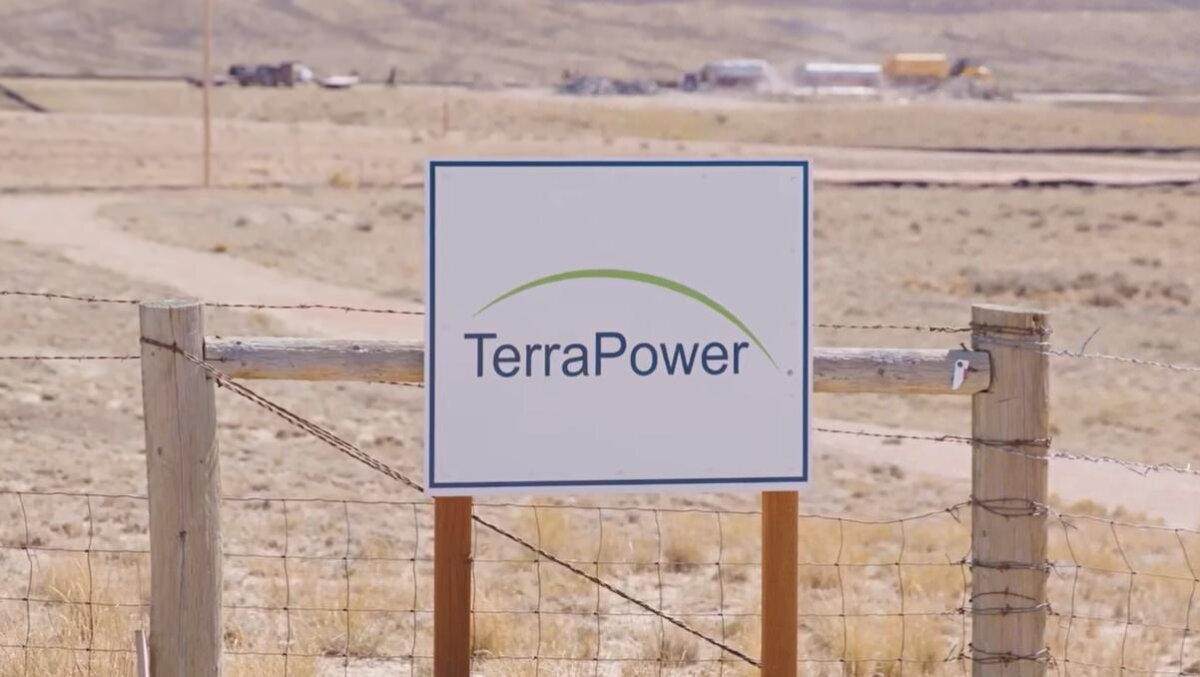
TerraPower, the Bellevue-based nuclear company backed by Bill Gates, announced Friday a deal with Meta to build up to eight small modular reactors in the U.S. with the first two coming online as soon as 2032, providing up to 2.8 gigawatts of energy using its Natrium nuclear technology. The contract marks Meta’s largest single nuclear deal and reveals how tech companies racing to build power-hungry data centers for AI services are turning to nuclear energy as the only carbon-free power source capable of meeting massive electricity demands that existing renewable infrastructure can’t satisfy at the scale and reliability required. But the deal also raises questions about whether private tech companies should be effectively privatizing nuclear energy development to serve corporate AI ambitions while residential electricity customers face investigations about whether data center energy consumption is driving up their bills.
Tech companies have been aggressively pursuing new clean energy solutions precisely because AI data centers consume electricity at levels that dwarf traditional computing workloads. Training large language models requires thousands of GPUs running continuously for weeks or months, consuming megawatts of power. Running inference for millions of daily users requires massive server farms operating 24/7. Meta’s deal for up to 2.8 gigawatts from TerraPower, plus energy storage systems that bring total output to 4 gigawatts, reflects the scale of power required to support AI ambitions across the next decade. For context, 4 gigawatts is roughly equivalent to four large traditional nuclear reactors or enough to power approximately 3 million homes.
TerraPower’s Natrium technology uses liquid sodium as coolant instead of water, allowing higher operating temperatures and improved efficiency compared to traditional light-water reactors. The design includes integrated energy storage using molten salt systems that can store thermal energy and release it as needed, providing flexibility that traditional nuclear plants lack. That storage capability, which brings total output to 4 gigawatts in short bursts, addresses one of nuclear power’s traditional weaknesses: its inability to quickly ramp production up or down to match demand fluctuations. The combination of steady baseload power and short-term burst capacity makes Natrium particularly suited for data center operations that need reliable continuous power plus capacity to handle peak computational loads.
The timeline, first two reactors operational by 2032 and all eight by 2035 if fully constructed, reflects the lengthy development and regulatory approval process for nuclear facilities. TerraPower is currently building its first commercial reactor in Kemmerer, Wyoming, planning to start operations by 2030. That facility, located near a retiring coal plant, serves as proof of concept for the Natrium technology. If it operates successfully and receives full regulatory approval, the Meta reactors would follow using demonstrated technology rather than unproven designs, reducing technical risk though not eliminating regulatory, construction, and operational challenges that have plagued nuclear projects historically.
Chris Levesque, TerraPower’s president and CEO, framed the deal as necessary to “address growing energy demand” and deploy “gigawatts of advanced nuclear energy in the 2030s” providing “reliable, flexible, and carbon-free power our country needs.” That language positions TerraPower as serving national energy needs rather than simply corporate interests, though the immediate customer is Meta and the power will primarily serve private data centers rather than public grids. The extent to which these reactors contribute to broader energy availability versus being dedicated to Meta’s operations affects whether they help or simply meet private demand without relieving pressure on public utilities.
Andrew Richards, TerraPower’s vice president of government affairs, characterized Meta’s selection of TerraPower from all advanced reactor developers as an endorsement showing “strong confidence in our technology.” That confidence matters for TerraPower’s broader commercialization strategy because major tech company endorsement provides validation for potential customers and investors weighing whether Natrium technology will succeed where other advanced nuclear designs have failed to achieve commercial deployment. Meta’s announcement explicitly states this deal makes them “one of the most significant corporate purchasers of nuclear energy in American history,” positioning the company as a leader in clean energy procurement while securing power for AI expansion.
The location selection process, with Meta and TerraPower “looking all over the country” for the first facility containing dual reactors, creates competition among states and communities to host nuclear development. Communities near retiring coal or nuclear plants become attractive sites because existing transmission infrastructure and workforces trained in power generation can be repurposed. The Kemmerer, Wyoming facility TerraPower is building sits near a retiring coal plant for exactly those reasons. States with supportive regulatory environments and communities willing to accept nuclear facilities despite public concerns about safety will likely compete for the jobs and economic activity these projects represent.
Meta’s broader nuclear strategy extends beyond TerraPower, including partnerships with Vistra to extend operations of existing nuclear plants in Ohio and Pennsylvania providing more than 2.1 gigawatts, and with Oklo, a Sam Altman-backed company developing small modular reactors in Ohio expected to provide up to 1.2 gigawatts starting in 2030. Combined with June’s deal with Constellation supporting relicensing of an Illinois nuclear plant, Meta is assembling a portfolio of nuclear energy sources totaling roughly 10 gigawatts of capacity, an extraordinary commitment for a single company that reflects both the scale of Meta’s AI ambitions and the recognition that only nuclear power can provide carbon-free energy at the massive scale and reliability required.
The tech sector’s pursuit of nuclear energy has drawn criticism and investigation. Three Democratic senators launched an examination last month into whether Amazon, Microsoft, Google, and Meta’s energy consumption is driving up residential electricity bills. That investigation reflects public concern that tech companies’ AI ambitions are consuming so much power that utility customers face higher costs to subsidize grid expansion serving corporate data centers. Meta addressed these concerns by stating “we pay the full costs for energy used by our data centers so consumers don’t bear these expenses, and we support the broader grid through our energy agreements.”
That defense hinges on whether tech companies actually pay full costs or whether their electricity purchases receive preferential rates or grid access that shifts costs to residential customers. The investigation senators launched will examine exactly those questions: are tech companies paying market rates that reflect their actual impact on grid capacity and reliability, or are they receiving subsidized access that forces utility customers to pay for transmission upgrades and capacity expansion serving data centers? Meta’s claim to support “the broader grid through our energy agreements” suggests their purchases fund infrastructure improvements benefiting all customers, but whether that’s true or simply corporate messaging requires regulatory scrutiny the investigation aims to provide.
Amazon and Microsoft are pursuing similar nuclear strategies. Amazon is partnering with X-energy to build a facility in Richland, Washington, near the state’s only operational nuclear plant at the Hanford Site. Microsoft signed a 20-year deal in 2024 to restart a reactor at Pennsylvania’s Three Mile Island, the facility made infamous by 1979’s partial meltdown. That Microsoft is willing to restart Three Mile Island, a name synonymous with nuclear accidents in American consciousness, demonstrates how desperately tech companies need power and how confident they are that modern reactor designs and safety protocols prevent disasters that plagued earlier nuclear generations.
For Washington State, TerraPower’s Bellevue headquarters and the Amazon facility being built in Richland position the state as a hub for next-generation nuclear energy development serving tech industry needs. That brings jobs, investment, and technological leadership, but it also concentrates risk if these projects fail technically, financially, or through accidents. Washington has one operational nuclear plant at Hanford and extensive experience with nuclear technology from the site’s historical weapons production. That expertise and infrastructure make the state logical location for advanced nuclear development, though public acceptance of expanded nuclear presence remains uncertain given Hanford’s legacy of contamination and cleanup challenges.
TerraPower’s funding history reveals the mix of private investment and government support enabling advanced nuclear development. The company raised more than $1 billion from private sources including Gates, SK Inc., SK Innovation, and NVIDIA’s venture arm. Additionally, it received roughly $2 billion from the U.S. Department of Energy, demonstrating that advanced nuclear development requires government subsidy beyond what private capital provides. The June 2024 funding round that brought in $650 million from Gates and NVIDIA reflects AI industry’s recognition that nuclear energy is essential infrastructure for AI scaling, with NVIDIA as the dominant AI chip manufacturer directly investing in power sources that enable deployment of its products.
The regulatory milestone TerraPower achieved in December, passing the Nuclear Regulatory Commission staff’s final safety evaluation for its Wyoming permit, represents progress through the complex approval process required before construction can complete and operations begin. Additional permitting hurdles remain, but clearing final safety evaluation is critical step toward becoming the first utility-scale next-generation reactor deployed in the U.S. Whether TerraPower succeeds in meeting its 2030 target for the Wyoming facility and 2032 for the first Meta reactors depends on navigating remaining regulatory processes, completing construction without major delays or cost overruns, and demonstrating that Natrium technology operates safely and reliably at commercial scale.
The technology TerraPower is building upon, experimental breeder reactors that operated in Idaho for nearly 30 years before shutting down, provides operational history that reduces technical risk compared to entirely novel designs. That historical precedent doesn’t eliminate challenges, scaling from experimental to commercial operations always involves unforeseen complications, but it provides foundation of demonstrated feasibility that purely theoretical designs lack. The partnership with GE Vernova Hitachi Nuclear Energy brings established nuclear industry expertise to TerraPower’s innovation, combining startup agility with legacy knowledge about nuclear operations, regulation, and safety that takes decades to develop.
For Meta specifically, securing up to 4 gigawatts of nuclear capacity through the TerraPower deal plus additional gigawatts from Vistra, Oklo, and Constellation arrangements positions the company to pursue AI development at scale without energy constraints limiting ambitions. Whether that’s good for society, enabling AI advances that improve lives, or problematic, allowing one company to consume enough power to serve millions of homes for private AI services that primarily benefit Meta shareholders, depends on perspective about AI’s value and energy resource allocation priorities. The tension between corporate AI ambitions and public interest in energy affordability and sustainability will intensify as more tech companies secure massive power contracts that strain grid capacity.
The 2032 timeline for first reactors means this deal addresses Meta’s late-2020s and 2030s AI energy needs rather than immediate requirements. Whatever AI infrastructure Meta builds in the next 5-7 years will run on existing grid power and whatever renewable or traditional energy sources the company can secure before nuclear reactors come online. The nuclear strategy is long-term planning for sustained AI growth across the next decade, not solution to current energy constraints. That timeframe reflects nuclear development realities, even accelerated modern designs require years from contract signing to operations, but it also means the deal’s actual impact on energy markets and Meta’s AI capabilities won’t materialize until well into the 2030s.
For Seattle’s tech ecosystem, TerraPower’s success validates the region’s role as hub for both AI development and clean energy innovation required to power it. Microsoft in Redmond, Amazon in Seattle, and now Meta partnering with Bellevue-based TerraPower create concentration of AI and nuclear expertise that could position the Pacific Northwest as leader in sustainable AI infrastructure. Whether that leadership serves regional interests, bringing jobs and investment, or simply concentrates environmental and safety risks while power itself flows to data centers potentially located elsewhere, depends on how deployment unfolds and whether communities hosting nuclear facilities capture benefits beyond proximity to potential accidents.
The fundamental question TerraPower’s Meta deal raises is whether private companies developing nuclear power for corporate AI ambitions represents optimal allocation of resources and regulatory attention compared to nuclear development serving public grids and reducing residential electricity costs. The same government subsidies, regulatory approval processes, and public infrastructure that enable TerraPower’s reactors could alternatively support nuclear development directly serving utility customers. That tech companies are driving nuclear renaissance because they need power for AI, rather than utilities driving nuclear development because customers need affordable carbon-free electricity, reflects market dynamics where corporate willingness to pay premium prices for guaranteed power capacity makes private nuclear development financially viable where public utility nuclear has struggled. Whether that market-driven approach produces better outcomes than planned public investment remains to be seen as these reactors move from contracts to operational facilities across the 2030s.