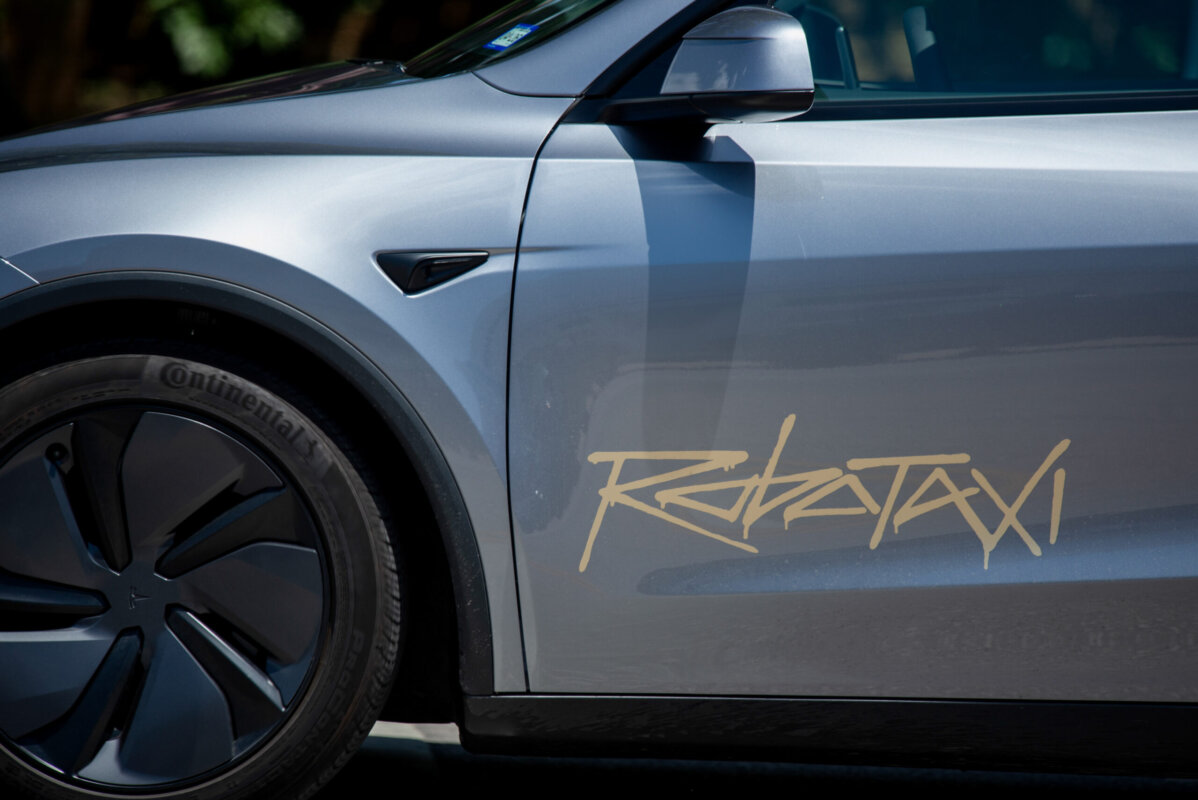
Tesla has begun offering fully autonomous robotaxi rides in Austin with no human safety driver present, marking a significant expansion of the company’s self-driving ambitions.
CEO Elon Musk announced the milestone Thursday on X, his social media platform: “Just started Tesla Robotaxi drives in Austin with no safety monitor in the car. Congrats to the Tesla AI team!” He followed with a recruitment pitch for engineers interested in “solving real-world AI,” which he says will “likely lead to AGI.”
The move represents an escalation from Tesla’s initial Austin robotaxi launch last June, when rides included a safety operator in the front passenger seat. Those first rides went to influencers and select customers. In December, Tesla began testing vehicles without safety drivers, and now the company has moved to offering paying customers rides in fully autonomous vehicles.
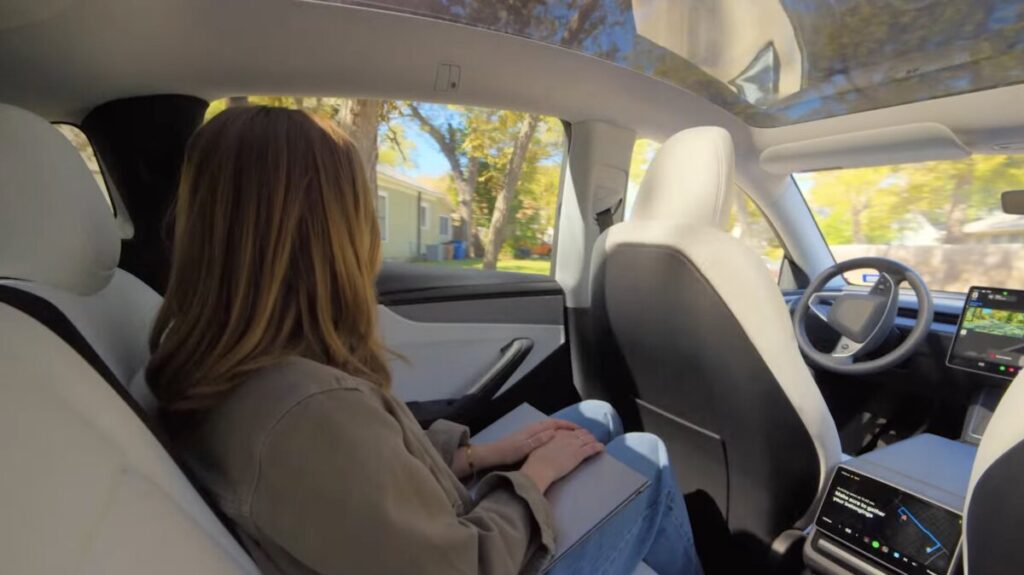
Not all of Tesla’s Austin fleet will operate driverless. According to Tesla’s AI lead Ashok Elluswamy, the company is “starting with a few unsupervised vehicles mixed in with the broader robotaxi fleet with safety monitors, and the ratio will increase over time.” This phased approach allows Tesla to scale gradually while maintaining some human oversight across most of the fleet.
Tesla is charging for the rides, and at least one rider reported seeing a chase car following the driverless vehicles. The chase car suggests Tesla is maintaining some level of remote monitoring or intervention capability, even without a person physically inside the autonomous vehicle.
The question is whether Tesla’s technology is ready for full autonomy. The company’s approach differs from competitors: while companies like Waymo and Zoox spent years testing without charging passengers, Tesla is monetizing from the start. That creates different incentives. Charging customers means Tesla needs the service to work reliably now, not eventually.
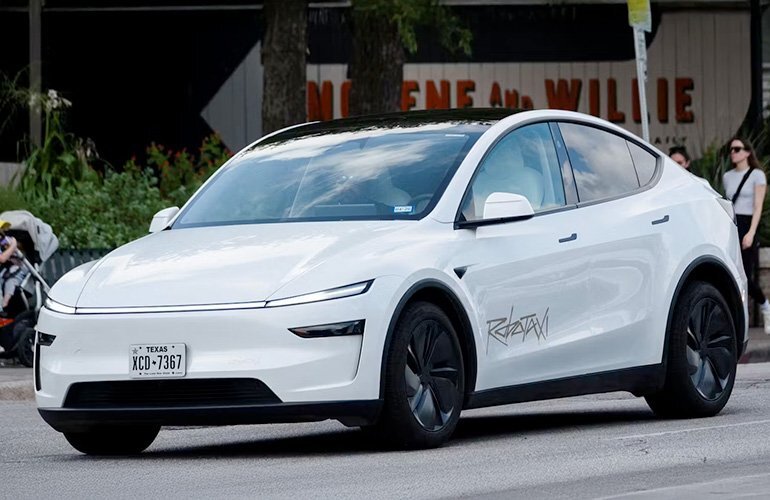
Austin serves as Tesla’s testing ground partly because of Texas’s regulatory environment, which has been more permissive toward autonomous vehicle testing than states like California. The city’s layout and traffic patterns also provide a mix of highway driving and urban navigation without the density of larger metropolitan areas.
For context on what full autonomy means: no steering wheel intervention, no human ready to take over, the vehicle making every decision. When things go wrong in that scenario, there’s no immediate human backup. The technology either handles the situation or it doesn’t.
Tesla’s timeline from supervised to unsupervised operations happened relatively quickly compared to other autonomous vehicle companies, which typically spend years accumulating data before removing safety drivers. Whether that speed reflects confidence in the technology or aggressive deployment strategy remains an open question.