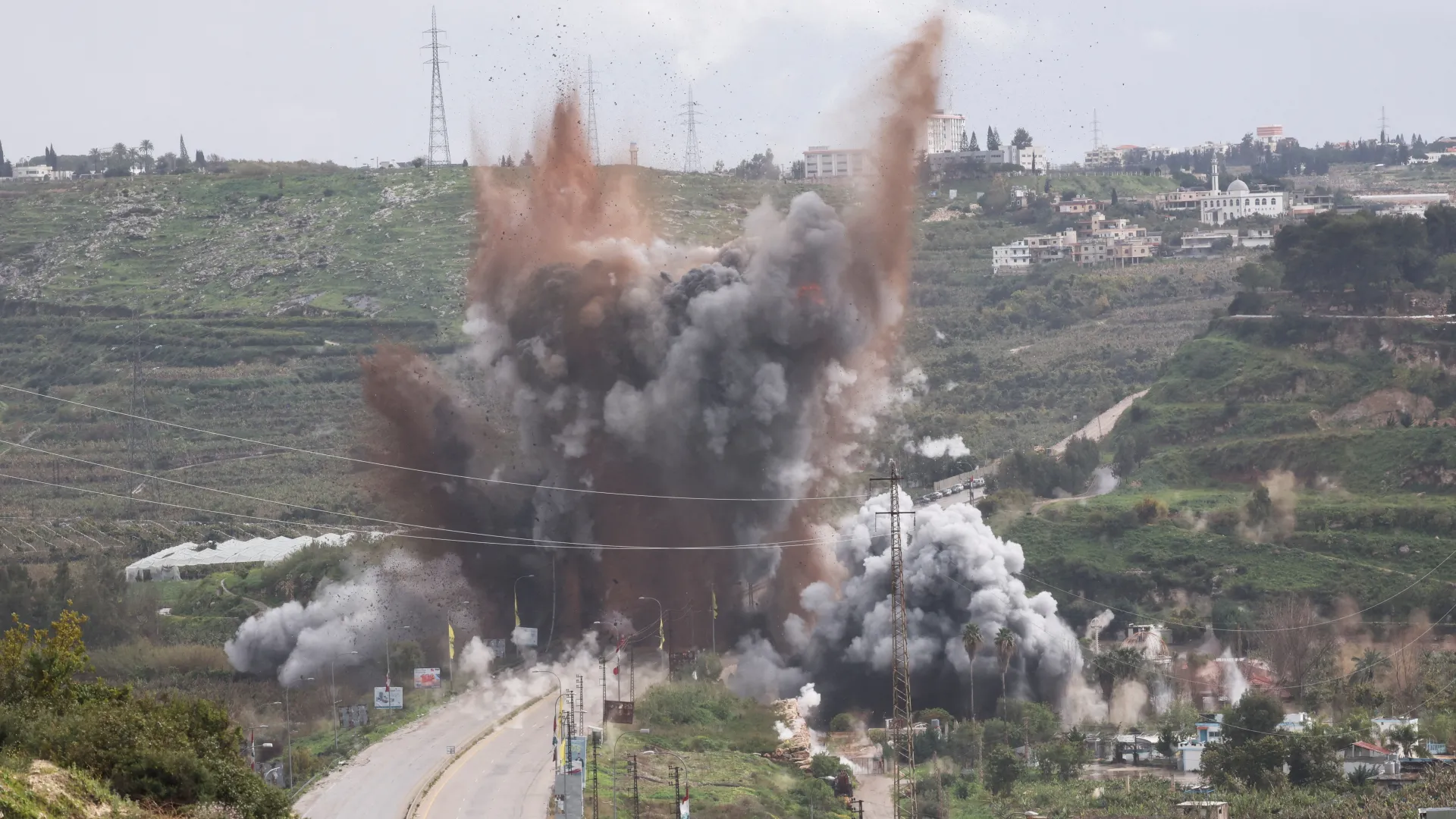
President Donald Trump halted planned military strikes on Iran’s electrical infrastructure Monday, announcing a five-day delay based on what he described as productive diplomatic conversations that Iranian officials immediately and flatly denied ever took place.
Trump wrote on Truth Social that the United States and Iran had held “very good and productive conversations” over the past two days aimed at resolving hostilities in the Middle East. Based on those discussions, which he said would continue through the week, Trump ordered the Department of War to postpone strikes against Iranian power plants and energy facilities for five days.
“I am pleased to report that the United States of America, and the country of Iran, have had, over the last two days, very good and productive conversations regarding a complete and total resolution of our hostilities in the Middle East. Based on the tenor and tone of these in depth, detailed, and constructive conversations, which will continue throughout the week, I have instructed the Department of War to postpone any and all military strikes against Iranian power plants and energy infrastructure for a five day period, subject to the success of the ongoing meetings and discussions,” Trump wrote.
Iranian state media rejected Trump’s account within hours. The Islamic Republic of Iran Broadcasting wrote on X that no conversations between Iran and the United States had occurred and called Trump’s claims “false.” The outlet said Trump’s announcement was “an attempt to escape his recent threat on Iran’s power infrastructure.”
Trump doubled down before boarding Air Force One, telling reporters his Middle East special envoy Steve Witkoff and son-in-law Jared Kushner conducted talks Sunday that would extend into Monday. The president offered no explanation for why Iran would deny negotiations that he insists happened, creating confusion about whether genuine diplomatic channels have opened or if one side is misrepresenting the situation.
Trump also laid out his demands if negotiations produce an agreement. He said the United States would seize Iran’s enriched uranium stockpile, which is central to Tehran’s disputed nuclear program. “It’s very easy, if we have a deal with them, we’re going down and we’ll take it ourselves. We want to see, no nuclear bomb, no nuclear weapon. Not even close to it,” Trump said.
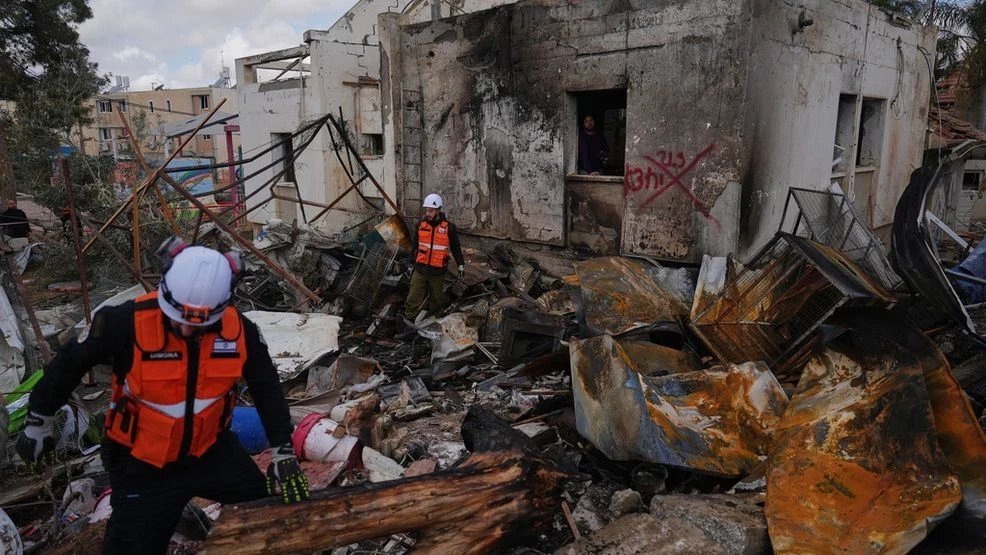
The announcement follows Trump’s threat Sunday to “hit and obliterate” Iranian power plants if Tehran refused to reopen the Strait of Hormuz within 48 hours. That ultimatum came amid a broader conflict that has seen U.S. and Israeli forces launch sustained military operations against Iran since late February, triggering Iranian retaliation against Israel and American-allied Gulf states.
Trump’s shifting stance on military action reflects contradictory signals the administration has sent about its Middle East strategy. On Friday, the president said he was considering “winding down” military efforts in the region even as the Pentagon deployed three additional warships and roughly 2,500 Marines to the area. The Defense Department also requested another $200 billion to fund operations, requiring congressional approval as the U.S. national debt reaches a record $39 trillion.
When asked about a potential ceasefire, Trump rejected the idea. “Well, look, we can have dialogue, but I don’t want to do a ceasefire. You know, you don’t do a ceasefire when you’re literally obliterating the other side. We’re not looking to do that,” the president said.
The five-day postponement creates a narrow diplomatic window for either side to change course, though Iran’s denial that talks occurred suggests little common ground exists. If negotiations Trump claims are happening fail to produce results, or if Iran’s version is accurate and no talks are underway, the strikes on power infrastructure could proceed by week’s end.
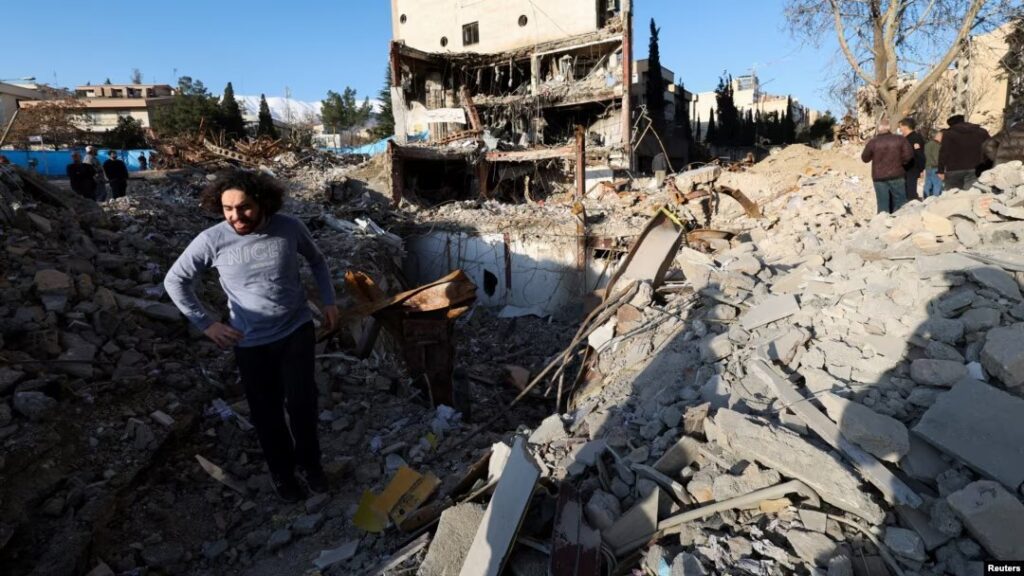
Destroying Iran’s power plants would cripple civilian infrastructure across the country, leaving millions without electricity for essential services including hospitals, water treatment, and food refrigeration. Such strikes would mark a significant escalation beyond military and nuclear facilities that have been targeted in previous operations.