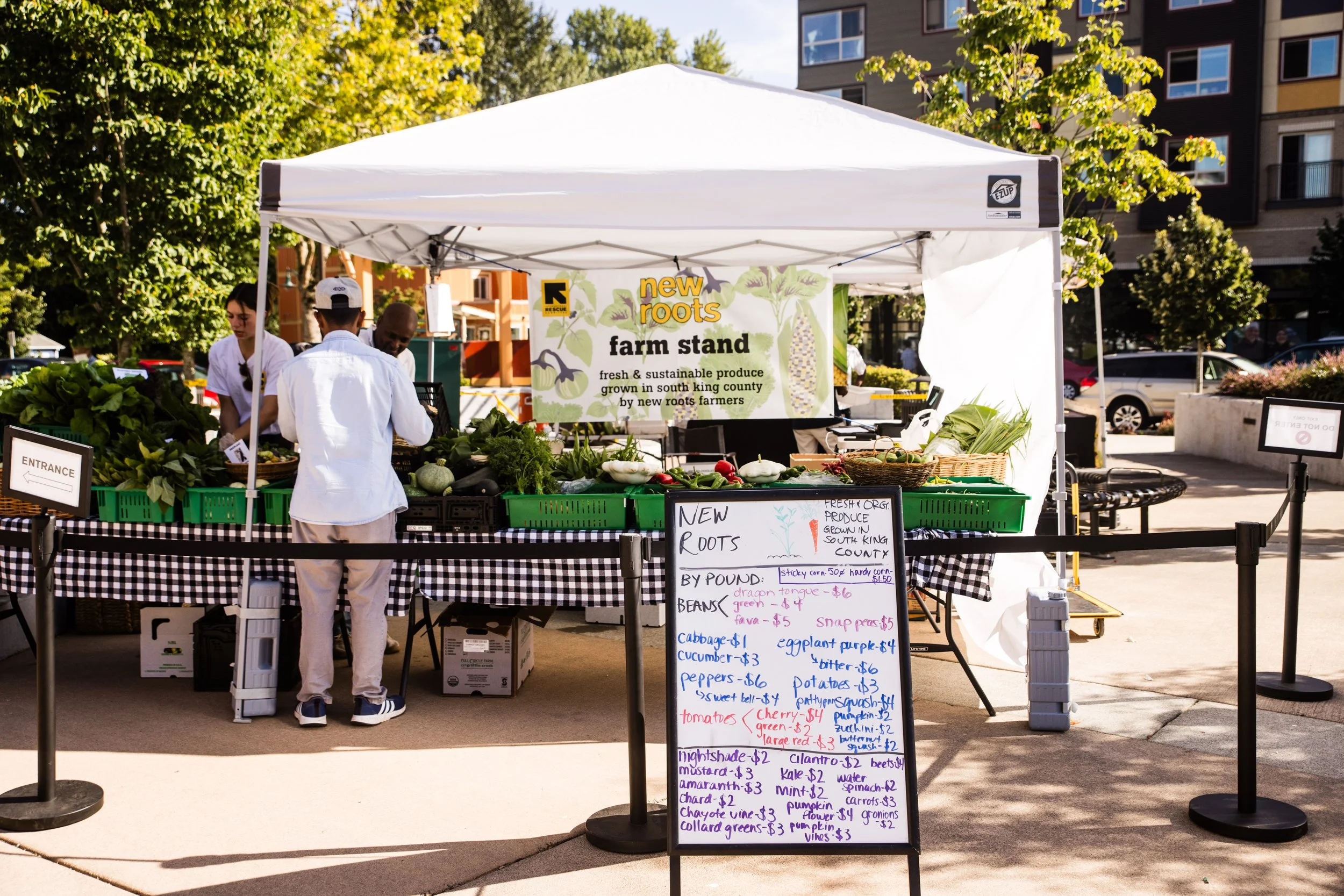
The Tukwila Village Market, operated by Oceania Northwest, offers fresh produce, roots, grains, clothing, hygiene products, nappies, and health resources all free of charge.
One of those seeking help was Elisapeta Vaiti Tafa, a Samoan mother of three who recently lost her job. “It’s not easy right now,” Vaiti Tafa explained. “They laid me off from my job last Tuesday. We really need food for my kids, so that’s why I came here.”
She believes divine intervention guided her to the support she found at the market. “I feel Him every time I come in here: the spirit of the people around here,” she stated.
Thursday’s turnout represented the market’s largest yet. Organisers estimate about 200 people came through earlier in the day, collecting groceries and household essentials.
“Because of the need and SNAP going away, there’s more demand,” said Joseph Seia, Oceania Northwest’s executive director. “We’re trying to accommodate that, trying to give out more food.”
By late afternoon, bins that once held groceries were nearly empty, a clear indication of how many families came seeking help.
A federal judge has ordered the Trump administration to restore November SNAP benefits by Friday. However, rollout delays could leave many Washington families uncertain about their next meal.
“We pay rent, bills, food, but we’re good, we have free food from them,” Vaiti Tafa said.
“It’s not just the food, it’s not just feeding stomachs,” Seia added. “It’s giving people hope, and that’s what we hope to do.”
The administration stated it will draw from a $4.65 billion contingency fund, along with approximately $4 billion from other sources, to ensure families receive their full November SNAP benefits.
Oceania Northwest will host its next Tukwila Village Market from 2 to 4 p.m. Thursday, 20 November, at 1158 Industry Drive.
The six-day gap in SNAP benefits created immediate hardship for families already operating on tight budgets with minimal financial cushions. SNAP recipients typically plan monthly food purchases around expected benefit deposits, making unexpected delays particularly disruptive.
The surge in demand at Tukwila Village Market illustrates how quickly families exhaust alternative resources when primary support systems fail. Food banks and free markets typically serve as supplementary resources rather than primary food sources, yet benefit interruptions force them into that role.
Vaiti Tafa’s situation, losing employment whilst caring for three children, represents the compounded vulnerabilities many SNAP recipients face. Job loss eliminates income whilst increasing reliance on nutritional assistance, creating financial stress that emergency food resources must address.
The emotional dimension of her experience, finding spiritual comfort in the market’s community atmosphere, highlights how food insecurity affects psychological wellbeing beyond physical hunger. The dignity and welcome offered by organisations like Oceania Northwest can provide emotional sustenance alongside material support.
The 200-person estimate for Thursday’s turnout represents a substantial increase over typical operations, straining the organisation’s capacity and resources. Emergency food providers typically budget for predictable demand levels, making sudden surges challenging to accommodate.
The nearly empty bins by late afternoon indicate the market distributed most available inventory, raising questions about restocking capacity before the next scheduled distribution. Organisations depend on donations, purchasing, and volunteer labour to maintain operations, all of which face constraints during periods of unusually high demand.
Seia’s acknowledgment of increased demand and efforts to distribute more food demonstrates the organisation’s responsiveness whilst implicitly acknowledging capacity limitations. Free markets cannot indefinitely absorb demand typically met by federal nutrition assistance programmes without additional resources.
The federal court order requiring benefit restoration by Friday theoretically addresses the immediate crisis, yet implementation delays can extend hardship. Converting court orders into actual benefit deposits requires administrative processes that may not occur instantaneously.
The uncertainty facing Washington families about their next meal, even with court-ordered restoration pending, reflects the precarious position of households living month-to-month on limited incomes. A few days without expected benefits can exhaust savings, max out credit, and force impossible choices between food, housing, utilities, and medicine.
Vaiti Tafa’s comment about managing rent, bills, and food through the free market’s assistance illustrates how families juggle multiple financial obligations whilst food insecure. SNAP benefits typically constitute just one component of household survival strategies that also include earnings, other assistance programmes, and community support.
Seia’s framing of the market’s mission as “giving people hope” alongside feeding them recognises that food insecurity encompasses more than empty stomachs. The psychological burden of wondering how to feed children, the shame some feel seeking assistance, and the stress of financial instability all affect wellbeing.
The administration’s commitment to drawing from contingency and other funds totaling approximately $8.65 billion should theoretically ensure full November benefit payments. However, families uncertain when deposits will actually occur cannot pay for food with promises of future benefits.
The next scheduled Tukwila Village Market on 20 November at 2 p.m. provides another opportunity for families to access free resources. The two-hour window from 2 to 4 p.m. requires families to arrange transportation and availability during that specific timeframe, potentially limiting access for those with work or childcare conflicts.
The location at 1158 Industry Drive in Tukwila serves a diverse community including significant Pacific Islander populations, reflected in Oceania Northwest’s mission and the market’s offerings of culturally relevant foods like roots and specific grains.
The broader implications of the shutdown’s impact on SNAP extend beyond immediate hunger to effects on children’s nutrition, health outcomes for vulnerable populations, and economic impacts on retailers who process SNAP transactions. Grocery stores, particularly in low-income areas, depend significantly on SNAP-driven sales.