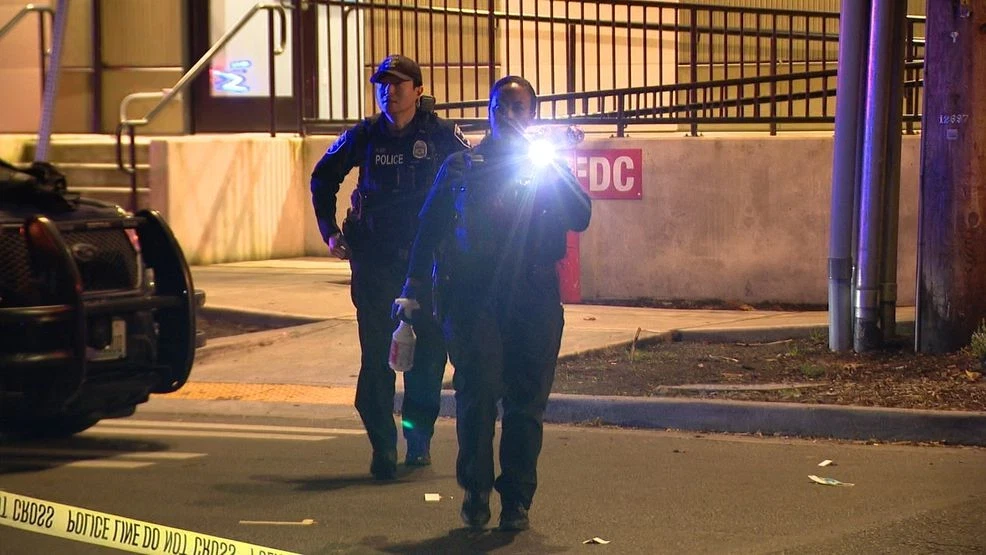
Seattle police have detained two teenagers in connection with an armed carjacking incident in North Seattle that prompted a multi-agency response.
At approximately 9:30 p.m., officers responded to reports of a carjacking in the 6200 block of Northeast Radford Drive. According to police, one suspect brandished a firearm at the victim, demanding his keys and mobile phone.
The suspects subsequently stole the victim’s vehicle and departed the scene.
The stolen vehicle, a BMW, was promptly reported to the manufacturer, enabling police to track its location through the vehicle’s integrated technology systems. Approximately 30 minutes later, officers located the car at a grocery store in the Northgate neighborhood.
A 15-year-old female was found inside the BMW and taken into custody. A second suspect, a 17-year-old male with documented history of robbery and assault offences, attempted to flee on foot but was apprehended shortly thereafter.
Two additional suspects managed to escape on foot. Despite assistance from a King County Sheriff’s K9 tracking team, they remain at large.
The BMW was impounded for forensic processing and evidence collection.
The arrested teenagers have been booked into juvenile detention at the Judge Patricia H. Clark Children & Family Justice Center on charges related to the robbery.
The case remains an open and active investigation under the Robbery Unit, with efforts continuing to locate the remaining suspects.
The incident highlights several concerning trends in Seattle’s property crime landscape, particularly the involvement of juvenile offenders in serious violent crimes. Armed carjackings represent a particularly traumatic form of robbery that combines property theft with direct threats of violence, creating lasting psychological impacts on victims beyond the material loss of a vehicle.
The use of a firearm during the carjacking elevates the severity of charges the suspects face. Washington state law treats armed robbery far more seriously than simple theft, with potential penalties reflecting the enhanced danger posed by weapons. However, the juvenile status of at least two suspects means they will be processed through the juvenile justice system, which emphasises rehabilitation alongside accountability.
The victim’s quick action in reporting the stolen BMW to the manufacturer proved crucial in the rapid response that led to arrests. Modern vehicles, particularly luxury brands like BMW, increasingly incorporate tracking technology that can be activated when theft is reported. These systems allow real-time location monitoring, transforming vehicle recovery from reactive investigation to proactive tracking.
The 30-minute window between the carjacking and vehicle location demonstrates the effectiveness of this technology when properly utilised. Without such tracking capability, stolen vehicles can be quickly moved to chop shops for parts, hidden in garages, or transported out of the region, making recovery substantially more difficult.
The Northgate grocery store location where the BMW was found suggests the suspects may have stopped to purchase items, abandoned the vehicle, or met with additional accomplices. The presence of the 15-year-old female inside the vehicle when officers arrived indicates she remained with the stolen car whilst others potentially scattered.
The 17-year-old male suspect’s documented history of robbery and assault raises questions about juvenile justice system effectiveness in preventing recidivism. His involvement in another serious crime despite prior offences suggests either inadequate intervention following previous incidents or insufficient deterrent effect from consequences he faced.
The flight attempt by the 17-year-old reflects awareness that capture would result in serious consequences, particularly given his criminal history. Repeat offenders often face enhanced charges and more substantial consequences, even within the juvenile system.
The escape of two additional suspects complicates the investigation and creates public safety concerns about armed individuals remaining at large. These individuals participated in a violent crime involving a firearm and have demonstrated willingness to use weapons to commit robbery.
The deployment of a King County Sheriff’s K9 tracking team represents standard protocol for pursuing fleeing suspects. Police dogs can follow scent trails that allow them to track individuals who have fled on foot, often successfully locating suspects hiding in vegetation, buildings, or other concealment. That these two suspects eluded capture despite K9 assistance suggests either significant head start, use of vehicles for escape, or particularly effective evasion tactics.
The investigation’s ongoing nature means police are likely pursuing multiple leads to identify and locate the remaining suspects. These efforts may include reviewing surveillance footage from the carjacking location and the Northgate grocery store, interviewing the arrested teenagers, analysing phone records and social media communications, and seeking tips from the public.
The forensic processing of the impounded BMW will examine fingerprints, DNA evidence, and any items left in the vehicle that might identify the escaped suspects or provide information about their plans. Investigators will also document any damage to the vehicle and gather evidence about how the suspects gained entry and started the ignition.
The booking of arrested juveniles at the Judge Patricia H. Clark Children & Family Justice Center places them within a facility designed specifically for youth offenders. This facility provides secure detention whilst emphasising education, mental health services, and rehabilitation programming alongside consequences for criminal behaviour.
The charges related to robbery that the teenagers face will be adjudicated in juvenile court, where judges have discretion to impose various dispositions ranging from probation to secure confinement in juvenile rehabilitation facilities. Factors considered include the severity of the offence, criminal history, age, family circumstances, and amenability to rehabilitation.
Armed carjackings have seen fluctuating rates in Seattle and other urban areas, with some periods experiencing surges that prompt enhanced law enforcement focus and community concern. These crimes create fear disproportionate to their frequency because they involve direct confrontation and weapons, making people feel unsafe in routine activities like arriving home or parking at stores.