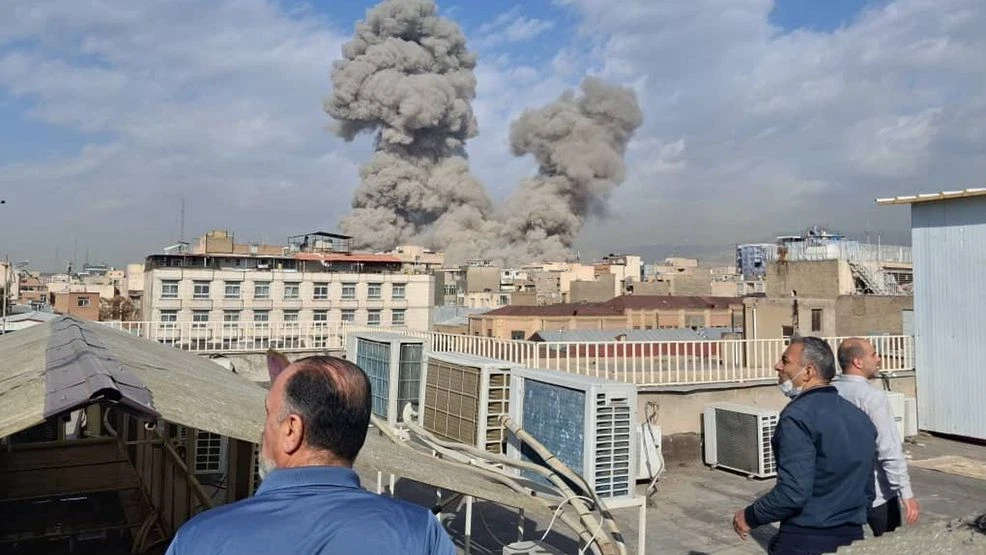
Large-scale military operations targeting Iranian defense infrastructure intensified Sunday after the Israel Defense Forces confirmed a new wave of airstrikes across western and central Iran. Officials said the attacks focused on ballistic missile systems, air defenses, command centers, and other regime-linked military locations.
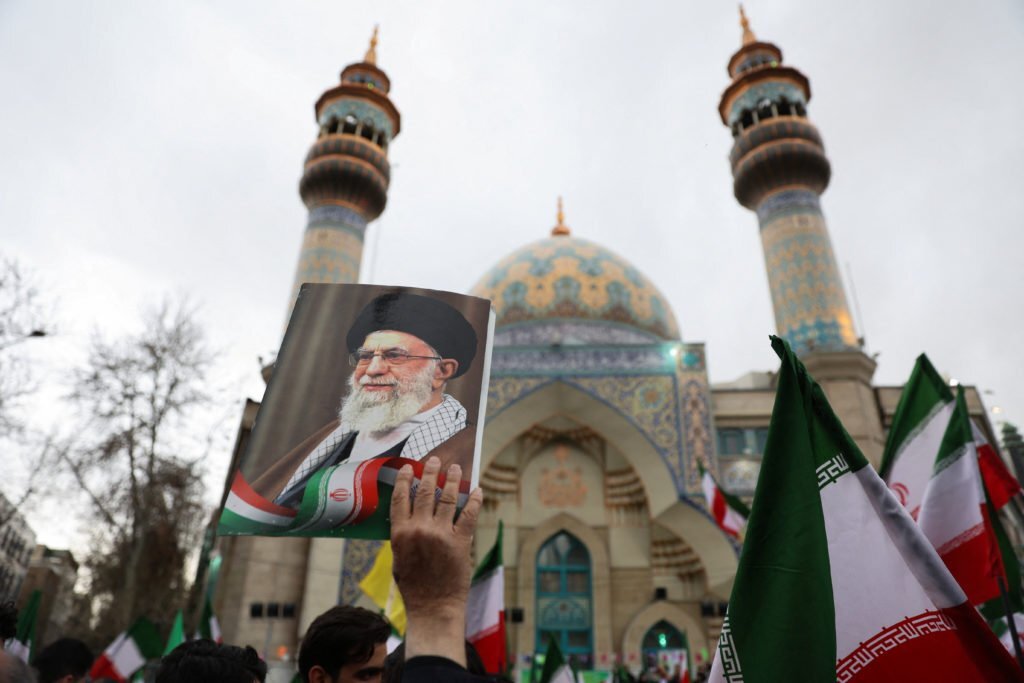
The escalation followed a joint operation involving Israeli forces and the United States that Donald Trump described as a major combat action. Trump claimed the strikes resulted in the death of Iran’s Supreme Leader, Ayatollah Ali Khamenei, though Iranian authorities had not publicly confirmed the claim at the time of reporting.
According to Israeli military statements shared online, more than 30 targets were struck as part of ongoing efforts aimed at weakening Iran’s military capabilities. Officials said operations would continue until Iran could no longer pose what they described as a threat to Israeli civilians.
Trump characterized the operation as both retaliation and a strategic opportunity for political change inside Iran, urging citizens to challenge the country’s ruling leadership. He said continued precision bombing could last for days or longer depending on operational objectives tied to broader regional stability.
Israeli Prime Minister Benjamin Netanyahu echoed similar messaging, arguing that the strikes could create conditions for internal reform within Iran. Netanyahu accused Iran’s leadership of supporting violence across the region and warned against allowing the country to advance nuclear weapons capabilities.
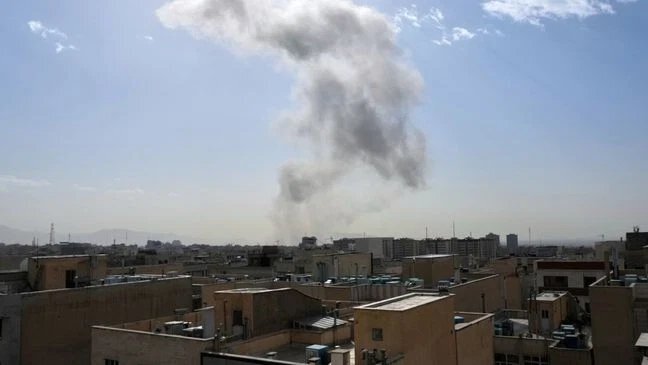
Regional tensions escalated further after Iranian officials reportedly launched missiles and drones toward Israeli territory and U.S. military installations. Iranian media claimed responsibility for an attack targeting a U.S. base in Bahrain, while online footage circulating internationally appeared to show smoke rising near a naval installation. Damage assessments and casualty confirmations remained unclear.
U.S. officials acknowledged the possibility of American casualties as the situation unfolds. The White House said national security leaders monitored developments overnight, with senior officials coordinating closely with Israeli counterparts and congressional leadership.
Iranian state agencies reported significant civilian casualties following the strikes, including fatalities at a girls’ school in southern Iran. Emergency organizations said hundreds were injured nationwide, though independent verification of those figures was ongoing.
Security agencies across the United States also increased monitoring measures amid concerns about potential retaliatory threats. Federal authorities said additional law enforcement visibility around protected sites may occur as a precaution while intelligence assessments continue.
Analysts warn that while the strikes represent one of the most direct confrontations between Washington and Tehran in decades, the prospect of regime change remains uncertain and could carry significant geopolitical risks across the Middle East.