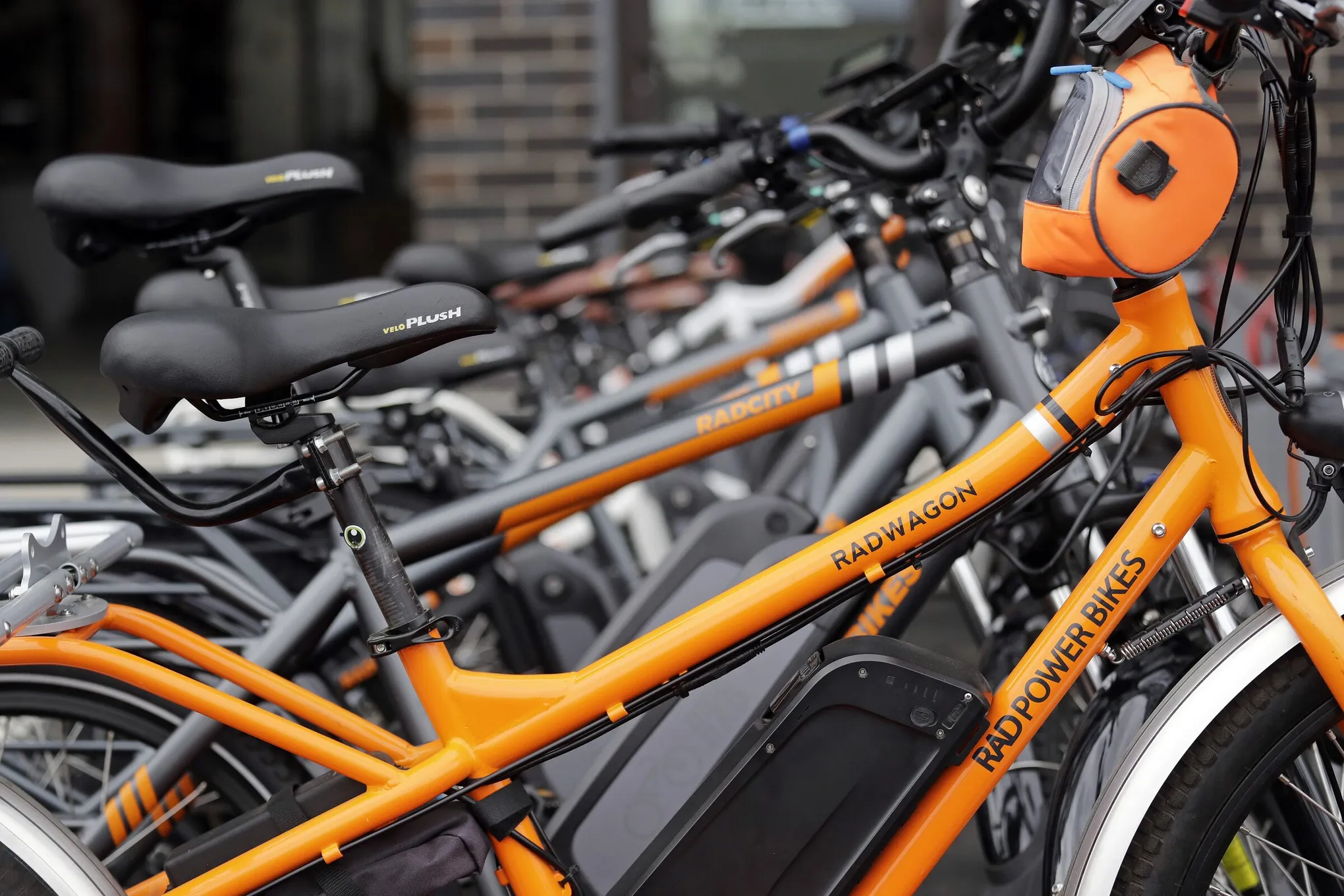
The US Consumer Product Safety Commission has issued an urgent public warning instructing e-bike riders to immediately stop using certain batteries manufactured by Seattle-based Rad Power Bikes following 31 reported fire incidents, including explosions that have caused more than $700,000 in property damage, in an unusual move that bypasses the traditional recall process after the company declined to implement an acceptable product recall programme.
The CPSC posted the safety alert on Tuesday, 24 November, identifying specific lithium-ion battery models from Rad Power Bikes Inc. that can spontaneously ignite and explode without warning, creating life-threatening fire hazards for consumers. The risk intensifies when batteries or wiring harnesses are exposed to water or debris that can trigger internal short circuits leading to thermal runaway, the chemical chain reaction that causes lithium-ion batteries to overheat uncontrollably and burst into flames.
According to the Consumer Product Safety Commission’s investigation, there have been 31 documented fires associated with the affected Rad Power Bikes batteries since the products entered the market. Twelve of those fire incidents resulted in property damage totalling approximately $734,500, a figure that encompasses destroyed garages, vehicles parked near charging batteries, residential structures, and personal property consumed by flames when batteries ignited unexpectedly.
Particularly alarming, multiple incident reports indicated fires occurred when batteries were not connected to chargers, when e-bikes were not being operated, or when products were simply sitting in storage areas, demonstrating that the fire hazard exists continuously regardless of whether the battery is actively in use. This pattern suggests manufacturing defects or design flaws that create unstable conditions within the battery cells themselves rather than problems solely related to charging systems or usage patterns.
Rad Power Bikes Inc. has refused to agree to implement an acceptable recall plan despite the documented fire hazards and the CPSC’s determination that the batteries pose unreasonable risks to consumers. The Seattle-based company informed federal regulators that due to its deteriorating financial condition, it lacks the resources to offer replacement batteries or refunds to all consumers who purchased the affected products, effectively leaving thousands of customers with potentially dangerous batteries and no clear path to obtaining safe replacements without bearing the cost themselves.
The impasse between Rad Power Bikes and federal safety regulators represents an unusual situation where a company acknowledges it cannot afford to remedy known product hazards, forcing the CPSC to issue a public warning in lieu of a formal recall that would require the manufacturer to provide remedies. This approach provides consumers with critical safety information but offers no mechanism for obtaining replacement batteries or compensation for products they can no longer safely use.
The Consumer Product Safety Commission reports that lithium-ion batteries carrying model numbers RP-1304 and HL-RP-S1304 are the specific products subject to the safety alert. These batteries were sold both as original equipment included with new Rad Power Bikes e-bike models and as standalone replacement batteries for existing bikes whose original batteries had reached end of life.
The affected e-bike models that came equipped with the hazardous batteries include RadWagon 4, RadCity HS 4, RadRover High Step 5, RadCity Step Thru 3, RadRover Step Thru 1, RadRunner 2, RadRunner 1, RadRunner Plus, and RadExpand 5, representing a substantial portion of Rad Power Bikes’ product line during the relevant manufacturing period.
The battery model number can be located on a label permanently affixed to the back or rear surface of the battery pack, allowing consumers to verify whether their specific battery is included in the safety alert. Rad Power Bikes distributed these batteries through multiple retail channels including direct sales through RadPowerBikes.com, at Best Buy retail stores nationwide where the company had established a significant retail presence, and through hundreds of independent bicycle shops across the country that sold Rad Power Bikes products.
Replacement batteries retailed for approximately $550 when purchased separately to replace worn-out original batteries, whilst complete e-bikes including the batteries ranged from $1,500 to $2,000 depending on model specifications and features, representing substantial investments for consumers who now face the prospect of needing to replace batteries at their own expense or cease using their e-bikes entirely.
“CPSC is issuing this public health and safety finding to expedite public warning about this product because individuals may be in danger from this product hazard,” the agency stated in its 24 November press release, employing the formal legal language reserved for situations where the agency determines immediate public notification is necessary to prevent injuries or deaths even when a formal recall has not been negotiated.
The CPSC strongly urges consumers not to dispose of lithium-ion battery devices in regular household trash bins or municipal recycling containers where they pose extreme fire risks to waste management workers and facilities. Hazardous batteries containing lithium-ion chemistry must be handled through specialised disposal channels because they present substantially greater fire and explosion risks during collection, transport, compaction, or processing compared to standard alkaline batteries.
Municipal household hazardous waste collection centres represent the appropriate disposal pathway for lithium-ion batteries, as these facilities maintain protocols for isolating dangerous materials from other waste streams and managing them safely. However, officials strongly advise consumers to contact household hazardous waste facilities in advance to confirm whether they accept lithium-ion batteries, as not all facilities possess the specialised storage infrastructure and handling capabilities required to safely manage large quantities of potentially unstable lithium-ion cells.