UW Medicine is building capacity to test for measles in its own laboratories rather than relying on state facilities as Washington approaches summer with case counts already more than double last year’s total and tens of thousands of international visitors expected for World Cup matches.
The in-house testing cuts turnaround time from days to hours, allowing health officials to identify infections and trace contacts before the virus spreads further. Dr. Alex Greninger, head of the Division of Infectious Disease Diagnostics in Laboratory Medicine and Pathology at UW Medicine, said the combination of heavy air travel, dense crowds, and declining vaccination rates creates conditions for rapid transmission of one of the world’s most contagious viruses.
“We know the cruise season is big. We know people like to come here when the weather is really nice. And so those are all signs of potentially more cases to come,” Greninger said. The timing concerns health officials because measles spreads so efficiently that a single infected person entering a crowded space can infect dozens of unvaccinated individuals within minutes through airborne transmission.
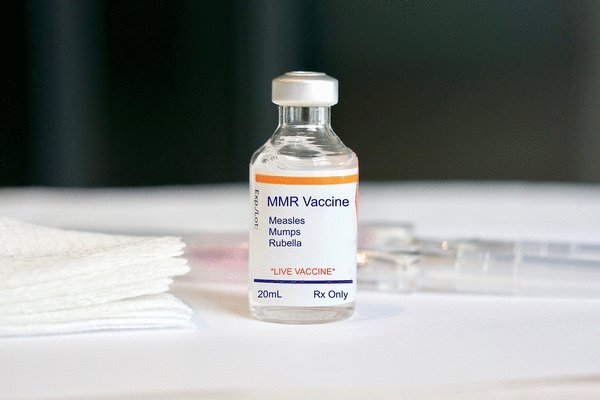
Washington has recorded 26 confirmed measles cases so far in 2026, more than double the 12 cases reported statewide in all of 2025. About 80% of this year’s infections have occurred in children, most of them school-aged. The pattern reflects declining vaccination coverage in the state, which now sits below both the national median and the threshold needed to maintain herd immunity that protects vulnerable residents who cannot receive vaccines.
“Our vaccination coverage is still too low. We’re below the median level in the United States; we’re below the level that creates herd immunity. And so those are all sorts of circumstances that we expect to see more cases coming up,” Greninger said. Dr. Shireesha Dhanireddy, associate chief medical officer and a professor of medicine, allergy, and infectious diseases at UW Medicine, warned the situation could deteriorate significantly before improving.
“This is really all preventable, but it may get worse. I mean, history shows that things can get a lot worse before they get better,” Dhanireddy said. She urged parents to vaccinate children because measles can cause severe complications including lung infections, brain inflammation, and death in a small percentage of cases. “Sure, the majority of people who get measles are not going to have these severe complications. But do you really want to take that risk?” she said.
Greninger noted the reversal from two decades ago when public health officials considered measles nearly eradicated in the Western Hemisphere and targeted for global elimination. “I remember 20 to 25 years ago, when we talked about measles, it was eliminated in the United States, in the Western Hemisphere, and it was next up for eradication. There’s no animal reservoir for this virus. You can get rid of it. We can win this,” he said. The virus’s return reflects both declining vaccination rates and increased international travel bringing infections from countries where measles still circulates widely.