Washington lawmakers introduced legislation imposing a 9.9% income tax on earnings above $1 million, with a critical provision blocking voters from weighing in at the ballot box, though Governor Bob Ferguson said he cannot support the bill in its current form.
The bills, HB 2724 and SB 6346, are crafted as emergency legislation “necessary for the support of the state government and its existing public institutions.” Under the Washington Constitution, that designation exempts the law from referendum, meaning opponents cannot gather signatures to suspend it and put the question to voters. The only path to overturn the tax would be a full initiative campaign requiring a longer timeline and an affirmative vote to repeal. The legislation also contains a poison pill: if a court strikes down the income tax, the entire act dies, including all tax relief for consumers and small businesses.
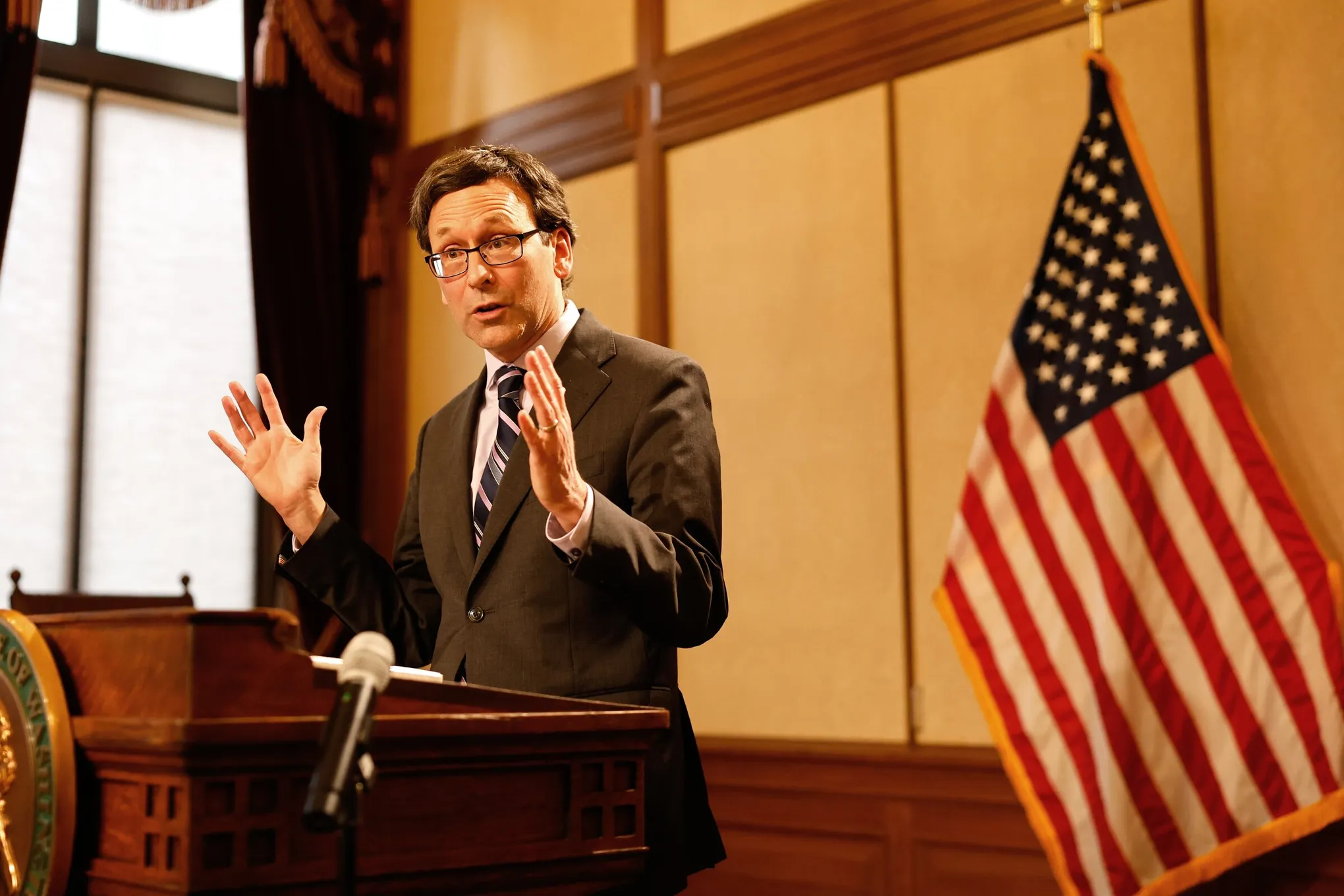
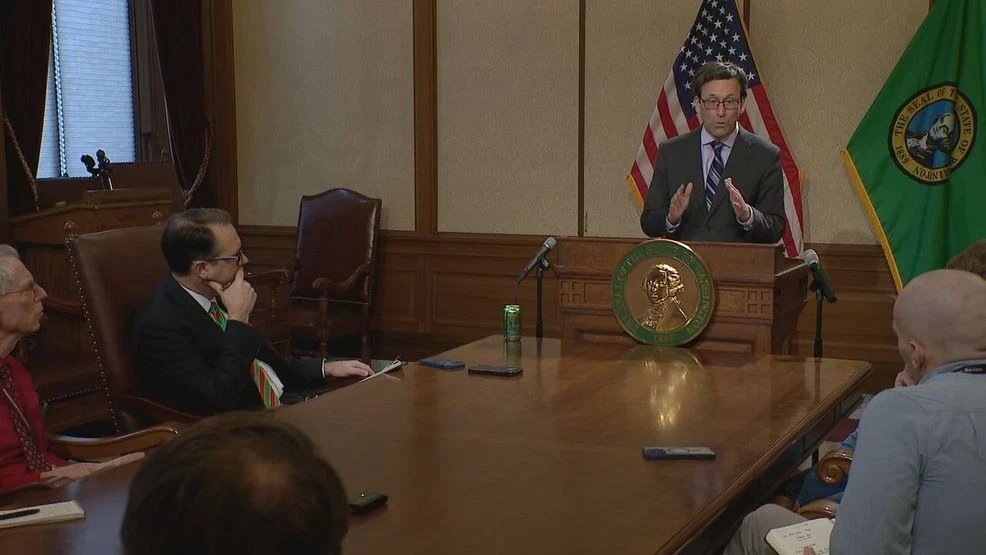
Hours after the bills were filed, Ferguson posted on X that while he appreciates “the hard work that went into drafting this initial proposal,” he “cannot support it in this form.” Ferguson noted the plan does too little to return money directly to taxpayers. Under the current proposal, only about 7%, roughly $230 million, would go back to residents. “A significant percentage of the revenue must, must, go directly back into the pockets of Washingtonians,” Ferguson said at a news conference Tuesday. He supports eliminating age limits for the Working Families Tax Credit but wants broader eligibility and larger payments. He argued the proposal’s $104 million in small-business tax relief is far too small, calling instead for $1 billion.
The legislation would impose the tax effective January 1, 2028, only on income exceeding $1 million. The bill explicitly overrides Initiative 2111, the legislature-approved measure that banned state and local income taxes in 2024. Revenue would be deposited with 5% going to the county public defense funding stabilization account and the remainder to the state general fund. The bill includes a sales tax exemption for grooming and hygiene products beginning January 1, 2029, and doubles the business and occupation tax credit for small businesses from $55 to $110 per month.
Democratic leaders framed the legislation as addressing Washington’s regressive tax structure. “By reforming our outdated tax code, we’re helping make life more affordable for working families and promoting our state’s economic competitiveness,” House Majority Leader Joe Fitzgibbon said. Democrats claim the bill would generate $3.7 billion annually and that fewer than 1% of the state’s wealthiest households would pay the tax. According to Democrats, approximately 257,000 small businesses grossing less than $250,000 would be exempt from the Business and Occupation tax starting in 2029.
Republican leaders opposed the proposal. Senator John Braun called the bill “an attack on small and medium-sized businesses” that will “damage our economy.” Representative Drew Stokesbary warned that the $1 million threshold will not last: “While this one is framed as a tax on millionaires, it’s only a tax on millionaires this session. It will quickly become a tax on regular people like you and me.” The emergency clause blocking the referendum will almost certainly face legal challenge. Washington voters have rejected income tax proposals 11 times since 1932.