Washington DNR Warns Budget Cuts Could Close Campgrounds, Restrict Trail Access Statewide
Washington hikers and campers could face a difficult summer as the state’s Department of Natural Resources warns that years of underfunding, compounded by fresh budget cuts, may force closures and service reductions at recreation sites across the state.
The DNR’s Recreation Program, which manages more than 200 recreation sites and 1,300 miles of trails across roughly 3.1 million acres of public land, says it can no longer sustain current levels of access without a significant funding restoration. Recreation maintenance and operations funding was cut by more than $7 million during the 2025 legislative session, a reduction of over 20%, and Governor Bob Ferguson’s proposed 2026 budget includes an additional $750,000 per year in cuts.
The agency currently has just 60 field staff covering the entire state. That works out to one staff member for every 21.6 miles of trail, every 50,000 acres, and every 333,000 visitors to DNR-managed lands. A partnership with Washington Conservation Corps crews previously supplemented that workforce with the equivalent of 70 additional field staffers, but funding for that program was not renewed during the 2025 legislative session, leaving the agency severely short-handed heading into peak outdoor season.
Among the sites facing the steepest consequences are Bear Creek Campground in Clallam County on the Olympic Peninsula and Chopaka Lake Campground in Okanogan County, both of which face potential full closure. Snoqualmie area trails and Reiter Foothills State Forest are also on the list, with reduced staffing and services expected if budget conditions do not improve. Lyre River Campground in Clallam County is similarly at risk.
Officials warn that even sites not facing outright closure will feel the strain. Delayed storm damage recovery, unstocked restrooms, increased trail debris, and longer maintenance backlogs are all expected outcomes of the continued funding shortfall. The DNR notes that the cascading effects of deferred maintenance make sites progressively harder and more expensive to restore over time.
“Washington’s world-class outdoor recreation opportunities draw visitors to the state and Washingtonians to our lands,” said Commissioner of Public Lands Dave Upthegrove. “The last thing we should do is underfund them. But the continued lack of funding threatens that access, creating an unsafe environment for users and impacting our public lands.”
State budget discussions are ongoing. Seattle Today will continue tracking developments as lawmakers weigh the future of Washington’s public lands.
Washington hikers and campers could face a difficult summer as the Department of Natural Resources warns that years of underfunding, compounded by fresh budget cuts, may force closures and service reductions at recreation sites across the state.
The DNR’s Recreation Program manages more than 200 recreation sites and 1,300 miles of trails across roughly 3.1 million acres of public land and says it can no longer sustain current access levels without significant funding restoration. Recreation maintenance and operations funding was cut by more than $7 million during the 2025 legislative session, a reduction of over 20%, and Governor Bob Ferguson’s proposed 2026 budget includes an additional $750,000 per year in cuts.
The agency currently has just 60 field staff covering the entire state. That works out to one staff member for every 21.6 miles of trail, every 50,000 acres, and every 333,000 visitors to DNR-managed lands. A partnership with Washington Conservation Corps crews previously supplemented that workforce with the equivalent of 70 additional field staffers, but funding for that program was not renewed during the 2025 legislative session, leaving the agency severely short-handed heading into peak outdoor season.
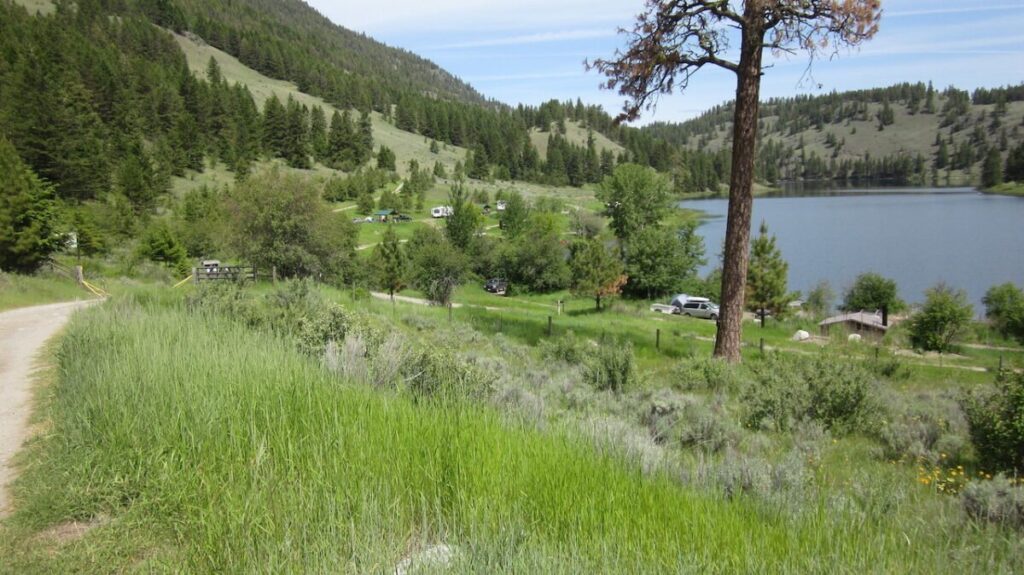
Among the sites facing the steepest consequences are Bear Creek Campground in Clallam County on the Olympic Peninsula and Chopaka Lake Campground in Okanogan County, both facing potential full closure. Snoqualmie area trails and Reiter Foothills State Forest are also on the list, with reduced staffing and services expected if budget conditions do not improve. Lyre River Campground in Clallam County is similarly at risk.
Officials warn that even sites not facing outright closure will feel the strain. Delayed storm damage recovery, unstocked restrooms, increased trail debris, and longer maintenance backlogs are all expected outcomes of the continued funding shortfall. The DNR notes that cascading effects of deferred maintenance make sites progressively harder and more expensive to restore over time.
“Washington’s world-class outdoor recreation opportunities draw visitors to the state and Washingtonians to our lands,” said Commissioner of Public Lands Dave Upthegrove. “The last thing we should do is underfund them. But the continued lack of funding threatens that access, creating an unsafe environment for users and impacting our public lands.” State budget discussions are ongoing.