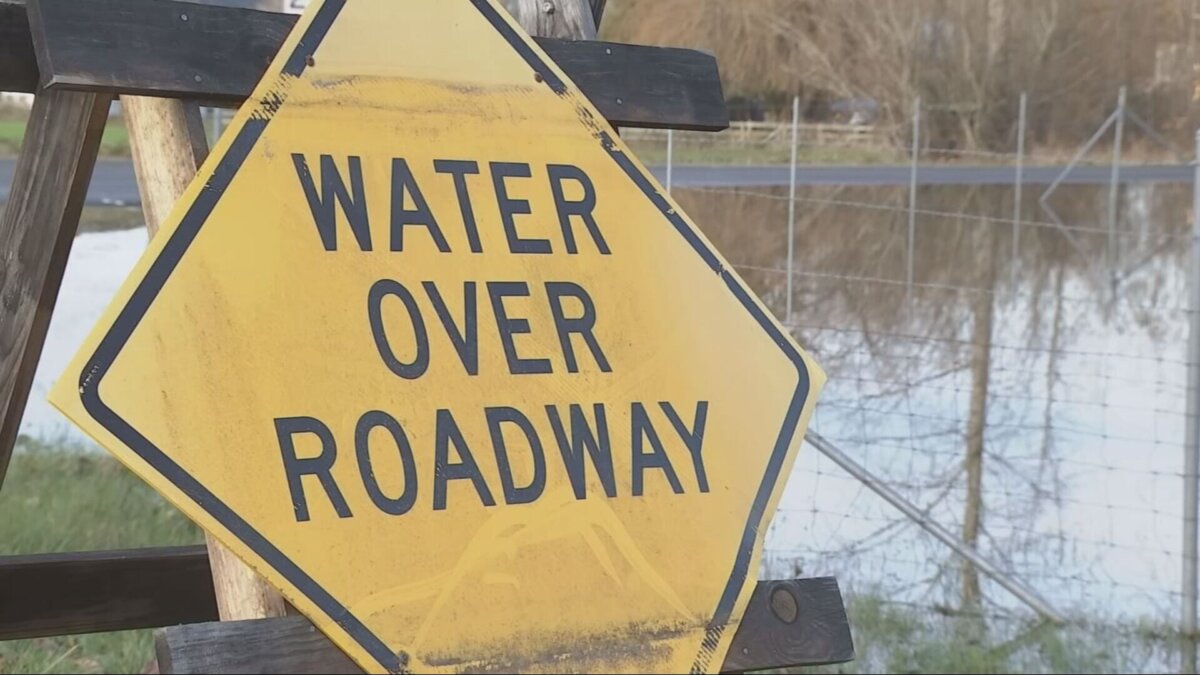
Washington has allocated $2.5 million in additional disaster assistance for Lewis and Pierce counties affected by historic December storms and flooding, part of a larger $3.5 million package unlocked by Governor Bob Ferguson’s disaster declaration. The initial $1 million reached more than 2,600 households across six affected counties in just five days, a pace that reveals both the scale of need and the inadequacy of available funding when entire communities experience simultaneous catastrophic damage. While the aid provides crucial immediate relief, the underlying question is whether Washington’s approach to flood recovery addresses the structural problems that make these disasters increasingly frequent and severe.
The funding mechanism reflects how disaster response in Washington operates through layered bureaucracy. Governor Ferguson issues a disaster declaration, which unlocks state emergency funds. The Department of Social and Health Services distributes initial aid rapidly to meet urgent needs. The Emergency Management Division partners with The Salvation Army to administer the Individual Assistance program. Meanwhile, state and local officials work with FEMA to complete damage assessments that could trigger federal disaster declarations and unlock larger funding streams. Each layer serves a purpose, but the complexity creates barriers for residents trying to navigate assistance while dealing with flooded homes and displacement.
The Household Needs Grant requires residents to live in eligible counties, King, Lewis, Pierce, Snohomish, Skagit, or Whatcom, and earn 80% or less of area median income. That income threshold is critical because it determines who gets help. In King County, where Seattle’s high cost of living pushes median incomes well above national averages, 80% of area median income is roughly $80,000 for a family of four. In Lewis County, where incomes are significantly lower, the threshold is proportionally lower. Someone in Centralia making $45,000 might qualify for aid that someone in Seattle making $85,000 doesn’t, even though both experienced flood damage and both struggle to afford repairs.
The other qualification, that primary residences must have been “destroyed or seriously damaged” by flooding between December 5-22, 2025, creates a binary that doesn’t reflect how flood damage actually works. Homes that experienced minor flooding, say three inches of water that destroyed flooring and drywall but didn’t compromise structural integrity, might not qualify as “seriously damaged.” Yet repairing even minor flood damage costs thousands of dollars many homeowners don’t have. The assessment of what constitutes serious damage becomes subjective, handled by Salvation Army Disaster Case Managers who review applications and determine eligibility.
That the initial $1 million reached 2,600 households in five days means each household received an average of roughly $385. That’s enough to buy some immediate necessities, replace some clothing, purchase temporary shelter supplies. It’s not enough to repair flooded homes, replace destroyed appliances, or address mold remediation. The aid is designed for immediate needs, not comprehensive recovery, which is why the process includes working toward federal disaster declarations that could unlock substantially larger FEMA assistance programs.
For Seattle residents, this flood response feels distant because the December storms primarily impacted communities outside the city. But Seattle’s position in the Puget Sound region means King County is one of the six eligible counties. Areas of South Seattle, White Center, and neighborhoods near waterways experienced flooding during the same storm systems that devastated Lewis and Pierce counties. The regional nature of the disaster means Seattle residents competing for the same limited assistance pool as people in harder-hit rural areas.
The Disaster Recovery Hotline extension, now operating 10 a.m. to 7 p.m. daily except Martin Luther King Jr. Day, reflects demand overwhelming initial capacity. Government hotlines don’t extend hours unless call volume justifies additional staffing. That residents are calling in sufficient numbers to require extended hours indicates either that many people need help, that the process is confusing enough to require phone assistance rather than online applications, or both.
The three application methods, online at sahelp.org, by phone at 833-719-4981, or in person at Disaster Assistance Centers, attempt to reach different populations. Online applications work for people with reliable internet access and comfort navigating digital forms. Phone applications serve people less comfortable online or who need to ask questions during the process. In-person assistance at DACs serves people without internet access, people whose documents were destroyed in flooding and need help gathering alternatives, or people whose circumstances are complicated enough to require face-to-face guidance.
Those DACs are strategically located in affected areas: Nooksack Valley Middle School in Whatcom County, Volunteers of America Western Washington Sky Valley Center in Snohomah County, and other locations in King, Lewis, Pierce, and Skagit counties. The placement recognizes that flood victims shouldn’t have to travel long distances to access assistance. But it also reveals capacity limits. Each center can only help so many people per day, creating potential bottlenecks when thousands need assistance simultaneously.
The Joint Preliminary Damage Assessment that state and local officials are conducting with FEMA determines whether Washington meets thresholds for federal disaster declarations. FEMA has specific formulas for when disasters qualify for Individual Assistance and Public Assistance programs. Individual Assistance helps homeowners and renters with temporary housing, home repairs, and other disaster-related expenses. Public Assistance reimburses state and local governments for emergency response costs and infrastructure repairs. Both programs provide substantially more funding than state resources alone, but they require federal approval that isn’t guaranteed.
The mechanism for getting federal aid is backwards. States must spend their own money responding to disasters first, document the damage, and then apply to FEMA for reimbursement and additional assistance. That means Washington is already committing millions in state funds based on the assumption that federal aid will eventually materialize. If FEMA denies the request or provides less assistance than expected, Washington taxpayers cover the difference. The state can’t simply wait for federal approval before helping flood victims, so it operates on credit against future federal reimbursement.
For Washington residents in affected counties, the immediate reality is applying for aid through whatever channel works best, online, phone, or in-person, and hoping their damage qualifies as serious enough to receive assistance. Once they submit an Unmet Needs Assessment Form, they wait for a Salvation Army Disaster Case Manager to contact them. That manager reviews their situation and identifies available resources, which might include the Household Needs Grant, referrals to other aid programs, or assistance navigating insurance claims.
The role of The Salvation Army as the primary administrator of Individual Assistance reflects how disaster response increasingly relies on nonprofit organizations rather than direct government programs. The state allocates funding, but nonprofits handle applications, eligibility determinations, and distribution. This structure theoretically provides flexibility and reduces government bureaucracy, but it also means that disaster victims are interfacing with charity organizations rather than government agencies, which affects both the experience of seeking help and the accountability mechanisms for how aid is distributed.
What’s missing from this response is any discussion of why these floods keep happening and what Washington is doing to prevent future disasters. The December storms were described as “historic,” but historic flooding is becoming routine in Western Washington. King County experienced significant flooding in 2021, 2022, and now 2024. Skagit and Whatcom counties face regular Nooksack River flooding. Lewis County’s Chehalis River floods repeatedly. At what point does “historic” flooding become predictable and preventable?
The answer involves infrastructure investments that dwarf emergency assistance budgets. Upgrading stormwater systems, improving levees, restoring wetlands that absorb floodwaters, relocating development from flood-prone areas, and adapting to climate change driven increases in extreme precipitation all require billions in long-term spending. Washington has some programs addressing these issues, but the scale of investment lags far behind the growing risk. It’s politically easier to allocate millions for disaster recovery after floods than to allocate billions for infrastructure improvements that prevent floods.
For the 2,600 households who received aid in the first five days and the additional households who will receive assistance from the expanded funding, the immediate crisis is getting help now. They need money for temporary housing, replacing destroyed possessions, and beginning repairs. The state’s response provides that immediate aid, though at levels that don’t cover full recovery costs. But unless Washington simultaneously invests in preventing future floods, these same communities will experience similar disasters in coming years, requiring similar emergency responses that strain state budgets and disrupt thousands of lives.
The December flooding affected six counties spanning from Whatcom near the Canadian border to Lewis in Southwest Washington. That geographic spread indicates regional weather systems causing widespread precipitation that overwhelmed multiple river systems simultaneously. Climate projections suggest these atmospheric river events will become more frequent and intense as the Pacific Northwest warms. That means Washington needs not just disaster response capacity, but comprehensive adaptation strategies that reduce vulnerability before disasters occur.
The $3.5 million in state aid, combined with potential federal assistance if FEMA approves disaster declarations, will help thousands of households begin recovery. But it’s a reactive response to a problem that requires proactive solutions. Until Washington invests in flood prevention at the scale climate science indicates is necessary, the state will continue allocating millions for emergency aid while communities repeatedly experience disasters that emergency aid alone cannot adequately address.