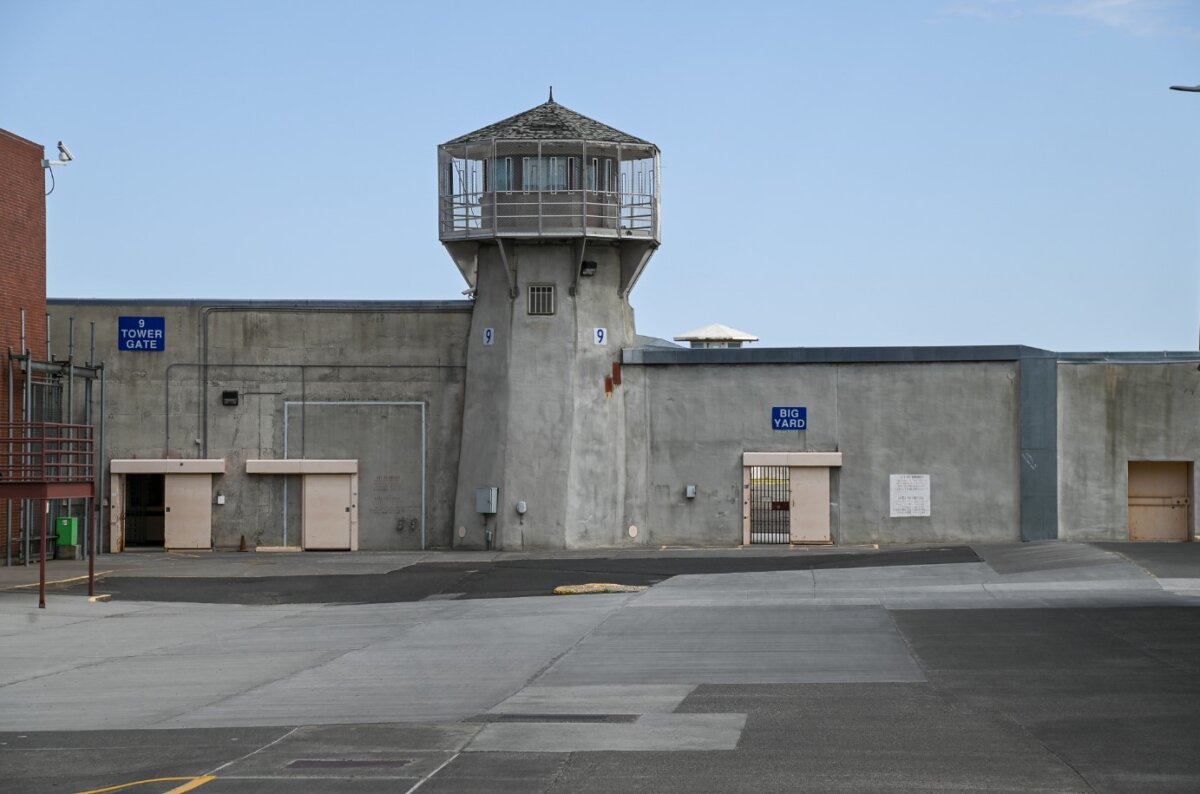
Washington state is spending close to $1 billion annually on its prison system, and the bill is growing even as the number of people behind bars continues to decline, raising urgent questions in Olympia about what the state is actually getting for its money.
In 2024, Washington spent an average of $75,576 to incarcerate one person for a full year, an 84% increase from 2019, when the same figure stood at $41,232. The jump represents one of the sharpest rises in corrections costs in the state’s recent history and has occurred during a period when the overall prison population has been shrinking rather than growing. At higher-security facilities, the annual cost per person can exceed $115,000. For elderly inmates or those with serious medical conditions, the figure can run at least three times higher, placing an outsized financial burden on a system already stretched thin.
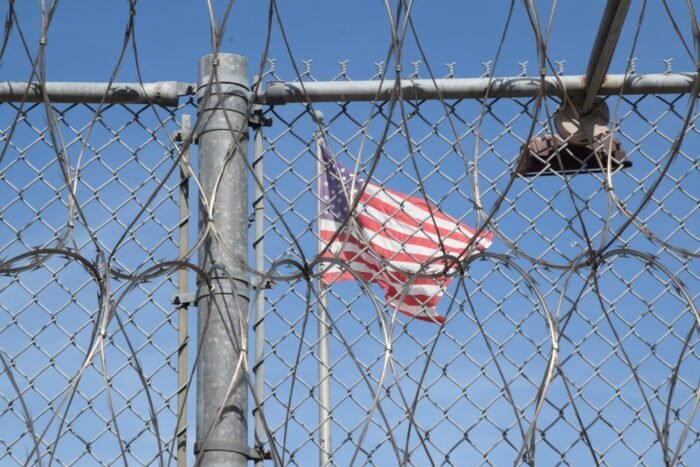
The surge in corrections spending is not happening in isolation. As the prison budget has climbed, lawmakers have cut funding for housing assistance, behavioural health services, and education programmes, precisely the areas that research consistently links to lower rates of incarceration over the long term. Critics argue the state is caught in a cycle where rising prison costs crowd out the investments that would reduce the need for incarceration in the first place, locking Washington into an increasingly expensive and self-defeating approach to public safety.
The debate over the value and sustainability of Washington’s corrections spending is now firmly on the table in Olympia, with legislators facing pressure to justify a system that costs more per person each year even as it holds fewer of them.