A bill establishing strict guidelines for automatic license plate reader cameras passed the Washington State Senate 40-9, including provisions that would ban sharing data with federal immigration enforcement.
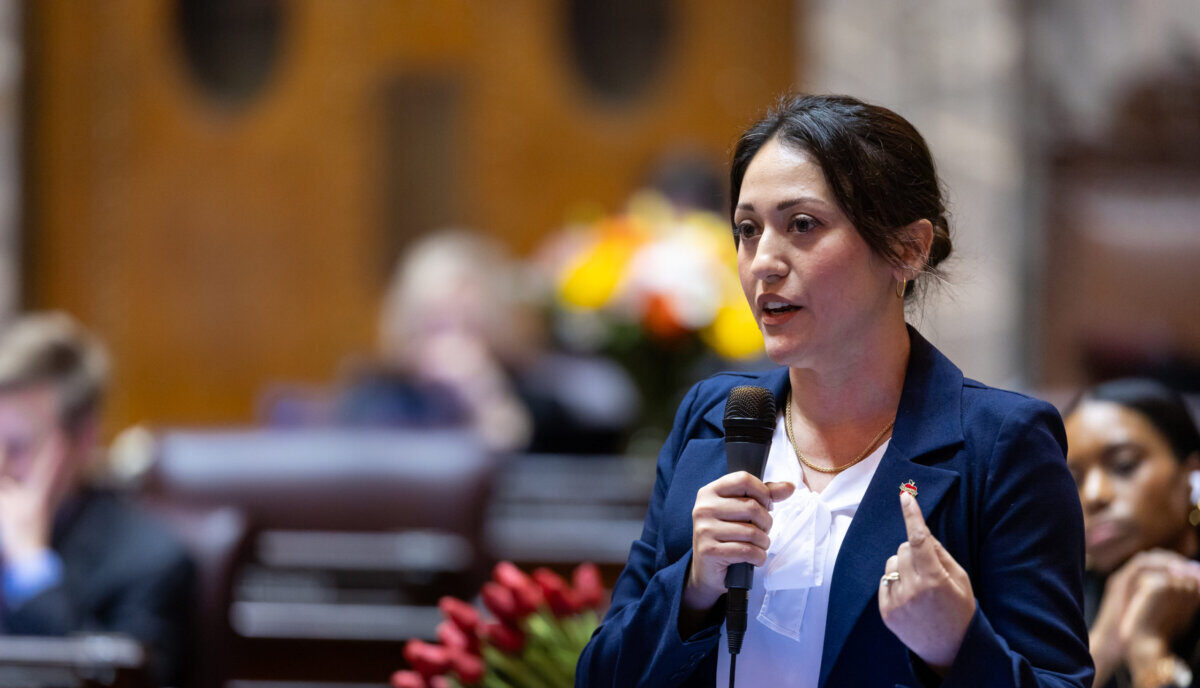
Sponsored by Sen. Yasmin Trudeau (D-Tacoma), SB 6002 seeks to establish clear guidelines for the use and retention of data collected by ALPR cameras, which are used by law enforcement and other government agencies to scan license plates. Currently, Washington state lacks specific legislation governing ALPR cameras.
“My goal with this bill has always been about community safety and trust,” Trudeau said. She emphasized the state’s constitutional obligation to protect personal privacy while responding to community concerns about surveillance technology. The bill aims to balance these concerns by ensuring law enforcement has necessary tools to solve serious crimes while protecting individual privacy.
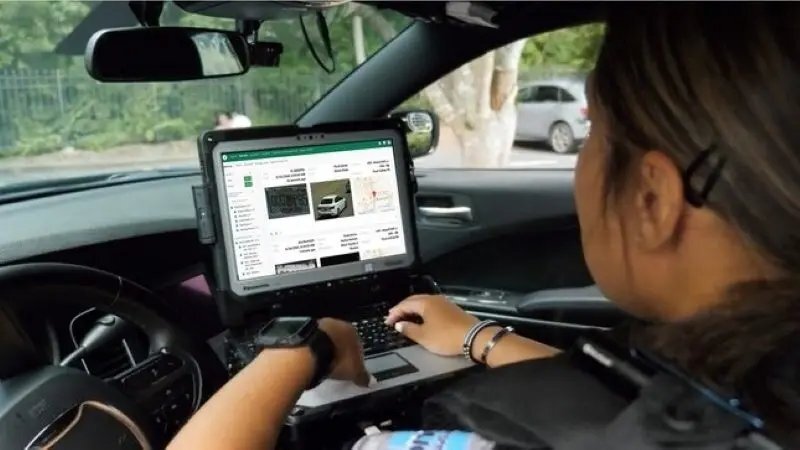
Key provisions include setting a 21-day retention period for ALPR data, prohibiting its use for immigration enforcement or tracking protected activities such as free speech protests, and banning camera placement near schools, places of worship, courthouses, or food banks. The bill also mandates logs of all data access to monitor compliance and prohibits data sharing with other agencies except in judicial proceedings.
The 21-day retention period, extended from an initially shorter duration based on law enforcement feedback, would be the second-shortest in the nation and the shortest among states with ALPR cameras in operation. “This would be the best and strongest license plate reader law of any state in the nation,” Trudeau stated.
Recent reports have raised concerns about misuse and unauthorized sharing of ALPR data in Washington. University of Washington research revealed that at least eight local law enforcement agencies have shared ALPR data with U.S. Border Patrol, and Border Patrol has accessed data from at least 10 additional agencies without formal agreements. Additionally, ALPR data has been used for firearms enforcement and tracking individuals for abortion-related investigations. The bill now moves to the House of Representatives for consideration.