A Washington state senator has filed legislation that would prohibit law enforcement officers, including federal immigration agents, from concealing their faces during most public enforcement activities.
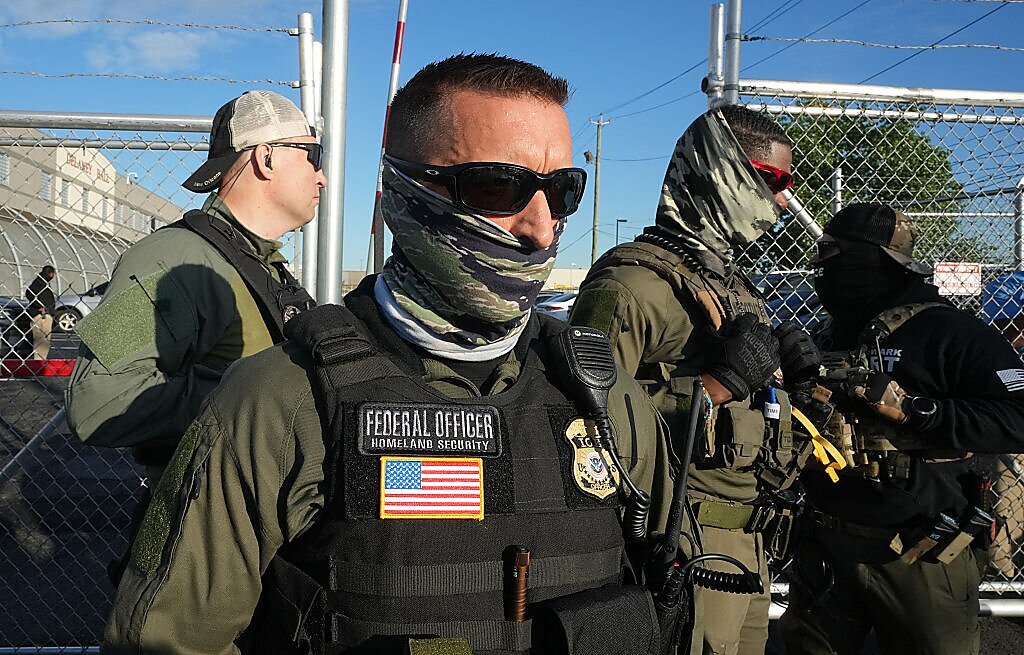
Senator Javier Valdez, a Seattle Democrat, introduced Senate Bill 5855 on Monday. The legislation targets a practice that has become increasingly visible during immigration enforcement operations under the Trump administration, where Immigration and Customs Enforcement agents frequently wear masks obscuring their identities while conducting arrests.
The proposed law would ban officers from wearing balaclavas, tactical face masks, gaiters, ski masks, and similar identity-concealing items while performing law enforcement duties. Valdez argues this practice undermines public trust and prevents accountability when government agents exercise authority over residents.
“If a law officer is stopping or questioning you, you have the right to know who they are,” Valdez stated. “Anonymous policing erodes trust, invites abuse, and threatens the safety of everyone involved.”
The legislation does not prohibit all facial coverings. Officers could still wear clear or translucent face shields that allow identification while providing protection. Medical masks, respirators used during hazardous conditions, and transportation helmets would also remain permissible under the bill.
The proposal builds upon existing Washington law requiring officers to display identifying information. RCW 10.116.050 already mandates that law enforcement officers be reasonably identifiable through clearly visible names or other markers during public interactions.
Valdez’s bill creates two specific exceptions where face concealment would remain legal. Officers conducting active undercover investigations could continue using disguises necessary for their covert work. SWAT team members engaged in tactical operations could wear protective gear covering their faces when such equipment serves legitimate safety purposes.
These carve-outs acknowledge situations where officer identification could compromise investigations or endanger lives. Undercover detectives infiltrating criminal organizations require anonymity. SWAT officers breaching buildings or confronting armed suspects need protective equipment that may obscure faces.
The legislation includes enforcement mechanisms beyond traditional police discipline. Individuals detained by masked officers violating the law could file civil lawsuits seeking monetary compensation, recovery of attorney fees, and other remedies courts deem appropriate.
This private right of action gives affected individuals direct legal recourse rather than depending on internal police accountability systems that critics argue often fail to discipline officers adequately.
“This bill protects responsible officers and the public,” Valdez explained. “Our communities deserve to know who is exercising government power in their neighborhoods. This bill sets clear rules and ensures accountability.”
The Senate Law and Justice Committee will likely hold hearings on the proposal early in the 2026 legislative session beginning January 12. The committee handles legislation related to criminal justice, law enforcement practices, and legal accountability.
The bill emerges from growing concerns about federal immigration enforcement tactics in Washington communities. ICE operations have increased in frequency and visibility since the Trump administration implemented more aggressive enforcement policies.
Agents wearing masks during these operations create fear in immigrant communities while preventing those detained from documenting who arrested them or where to direct complaints. The anonymity makes challenging potentially unlawful detentions more difficult.
Washington has positioned itself as a sanctuary state limiting cooperation between local law enforcement and federal immigration authorities. The Keep Washington Working Act restricts how state and local officers assist ICE operations.
This new proposal extends that resistance by attempting to regulate how federal agents conduct themselves while operating in Washington, though legal questions exist about whether state law can impose such requirements on federal officers.
The medical mask exception reflects lessons from the COVID-19 pandemic, when public health needs required officers to wear protective equipment during public interactions. Emergency responders also need respirators when dealing with hazardous materials or dangerous chemical exposures.
Clear face shields provide a middle ground, protecting officers from projectiles or bodily fluids while keeping their faces visible for identification purposes. Riot control situations or protest responses might require such equipment.
Law enforcement organizations will likely oppose the legislation, arguing it unnecessarily restricts officer discretion and could endanger safety in certain situations. Police unions typically resist regulations they view as micromanaging tactical decisions.
Civil liberties groups and immigrant rights organizations will probably support the measure as advancing transparency and accountability. These advocates argue that knowing who wields government authority represents a fundamental democratic principle.
The legislation’s success depends on Democratic control of both legislative chambers and the governor’s office. Republicans generally oppose measures they perceive as restricting law enforcement capabilities.