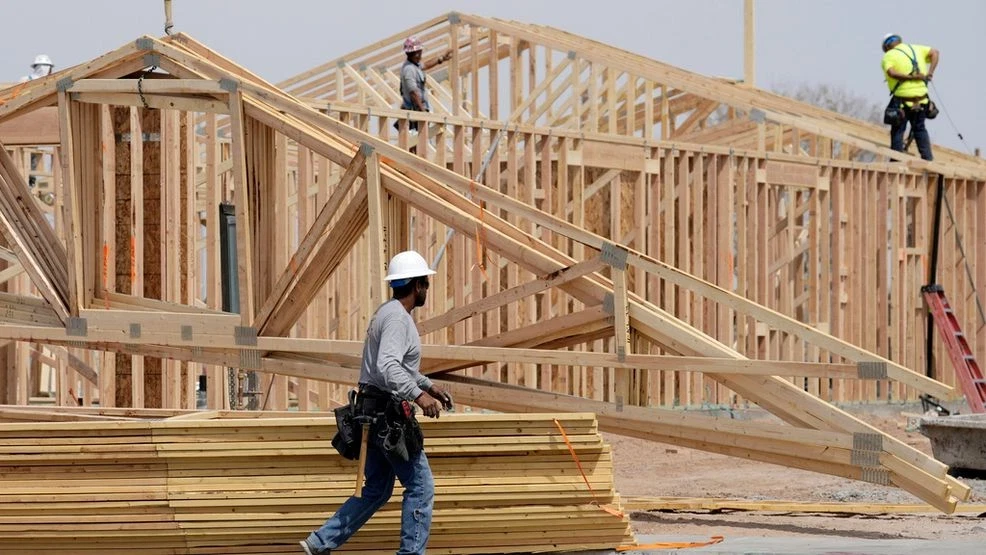
In an extensive two-day enforcement operation, the Washington State Department of Labor & Industries uncovered 41 cases of unlicensed or unregistered construction work whilst inspecting nearly 350 job sites across the state, part of a coordinated effort to protect consumers and ensure fair competition within the construction industry.
The enforcement effort spanned nine counties including Pierce, Clark, King, Thurston, Spokane, Lewis, Grays Harbor, Snohomish, and Chelan, with teams of inspectors conducting simultaneous operations in major metropolitan areas including Tacoma, Vancouver, and Seattle to maximise the reach and impact of the compliance sweep.
The inspections, conducted on 13 and 14 October, represented Washington’s contribution to a larger 16-state initiative coordinated by the National Association of State Contractors Licensing Agencies, a consortium of state regulatory bodies working to strengthen consumer protection and maintain industry standards across regional construction markets where unlicensed contractors can easily cross state borders to evade enforcement.
Labor & Industries construction compliance inspectors verified the registration status of more than 500 contractors and tradespeople during the two-day operation, confirming that 417 construction contractors, 59 plumbers and plumber trainees, and 34 electricians and electrical trainees were operating in compliance with state licensing and registration requirements.
However, inspectors also documented violations and issued citations to individuals and businesses found engaging in unregistered contracting or unlicensed plumbing and electrical work, violations that expose consumers to significant risks including substandard workmanship, lack of insurance coverage if problems arise, and inability to seek recourse through regulatory channels.
In Washington, contracting without proper registration is illegal and can result in substantial financial penalties ranging from $1,200 for first-time offenders to $10,000 for repeat violators, escalating fines designed to deter continued illegal operations by making noncompliance economically unsustainable.
Melissa McBride, Labor & Industries’ Chief of Construction Industries and a past president of the National Association of State Contractors Licensing Agencies, emphasised the operation served dual purposes beyond simple enforcement actions.
“This was an opportunity not only to enforce the law but for me to hear directly from our customers in the field. Their feedback helps us improve our services for them,” McBride stated. “We want to do all that we can to protect consumers from unregistered contractors and support fair competition amongst contractors who are following the rules.”
McBride’s comments reflect recognition that effective regulation requires ongoing dialogue with industry participants who experience regulatory systems firsthand and can identify administrative burdens, unclear requirements, or enforcement gaps that undermine compliance amongst good-faith actors whilst allowing bad actors to continue operating.
The enforcement operation underscores the importance of contractor registration systems, which help ensure that construction professionals carry necessary insurance coverage and bonds protecting consumers from financial losses resulting from unethical practices, abandoned projects, defective work, or injuries occurring on job sites. Registration requirements also verify that contractors possess basic competency through testing or experience documentation, reducing the likelihood that consumers will hire individuals lacking fundamental knowledge of building codes, safety standards, or proper construction techniques.
Unlicensed contractors pose multiple risks to consumers beyond the immediate quality of work performed. Because they operate outside regulatory systems, unlicensed contractors typically lack insurance covering property damage, worker injuries, or liability claims arising from their work. When problems occur, homeowners may discover they have no recourse for repairs or damages because the contractor lacks bonds or assets subject to judgement collection. Additionally, work performed by unlicensed contractors may not comply with building codes, creating safety hazards or complicating future property sales when inspections reveal unpermitted or substandard work.
The presence of unlicensed contractors also undermines fair competition within the construction industry by allowing some businesses to underbid legitimate contractors who invest in licensing, insurance, training, and compliance with tax and labour laws. This creates downward pressure on wages and working conditions whilst disadvantaging ethical businesses that absorb costs associated with operating legally.
For homeowners planning construction projects, Labor & Industries recommends verifying contractor registration through the agency’s online database before entering into contracts or making payments. Additional consumer protection resources and guidance on hiring contractors for home construction projects are available at ProtectMyHome.net, a state website providing information on contractor selection, contract terms, payment schedules, dispute resolution, and red flags indicating potential problems.