Washington state has passed a law allowing Rivian and Lucid to sell electric vehicles directly to consumers through brick-and-mortar stores, ending Tesla’s long-standing exclusivity as the only EV-only manufacturer permitted to do so in the state.
The new law, which takes effect in June, allows both companies to offer in-person test drives, pricing negotiations, and direct sales at physical locations in Washington. Previously, customers who wanted a Rivian or Lucid had to order online and have the vehicle shipped and retitled in Washington, or travel to another state to purchase one and drive it back. Tesla had been exempt from the state’s dealership laws since 2009, when it obtained a dealer’s licence more than a decade before its competitors entered the market.
The shift came after years of failed legislative attempts and fierce opposition from Washington’s franchise dealership industry, which argued that direct manufacturer sales would undermine the dealership business model. The turning point came this year when Rivian announced a $4.6 million ballot initiative, a move that brought dealerships to the negotiating table. “We made no secrets of our desire to solve this like adults, and ultimately, parties came together, and we made it happen,” said Beau Whiteman, who leads Rivian’s state policy team.
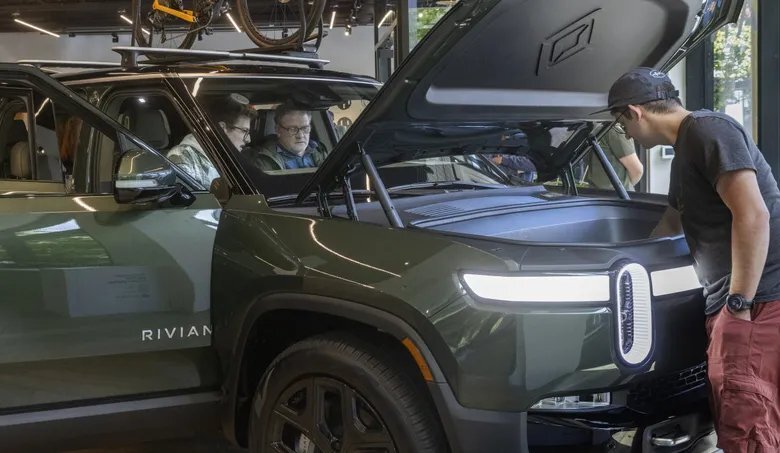
The law does not name Rivian and Lucid directly but sets criteria that effectively limit eligibility to those two companies alongside Tesla. To obtain a direct sales licence, a manufacturer must be a US company, have no prior franchise dealership agreements, produce only electric vehicles, and have at least one service facility and 300 registered vehicles in Washington as of this year. The legislation also increases the state’s title application fee by $25, with proceeds directed toward the state’s transportation account and EV rebate programme.
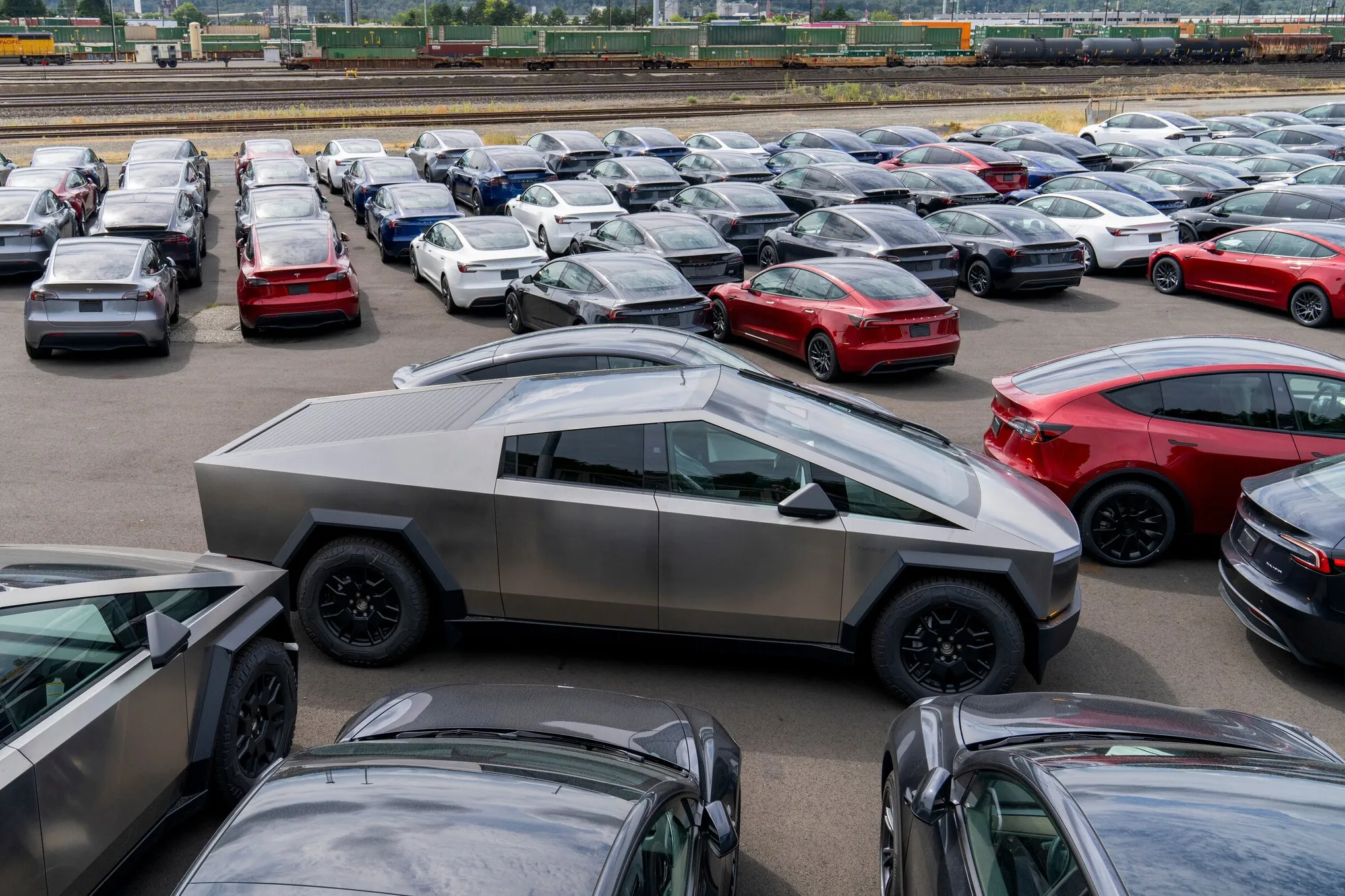
Tesla remains the dominant EV brand in Washington by a significant margin, accounting for roughly 41% of registered electric vehicles in the state, or approximately 114,847 cars. Rivian has around 8,860 registered vehicles, representing about 3% of the market, while Lucid has approximately 700 registered cars in Washington.
State Senator Marko Liias, a Democrat from Edmonds and one of the bill’s sponsors, said the legislation strikes the right balance. “I’m glad that at least for this year we’ve found a path forward that doesn’t force us to pick between two values that are both important,” he said. Liias also flagged the broader context facing Washington’s EV ambitions. With federal EV incentives gone and the state targeting all new car sales to be electric by 2035, Washington is behind pace. Electric vehicles accounted for around 20% of new title transactions in the second half of 2024, according to the Washington State Department of Transportation.
Rivian said the ballot initiative strategy it deployed in Washington could be replicated in other states where direct EV sales remain restricted, with Ohio, Nebraska, and Arkansas identified as potential targets.