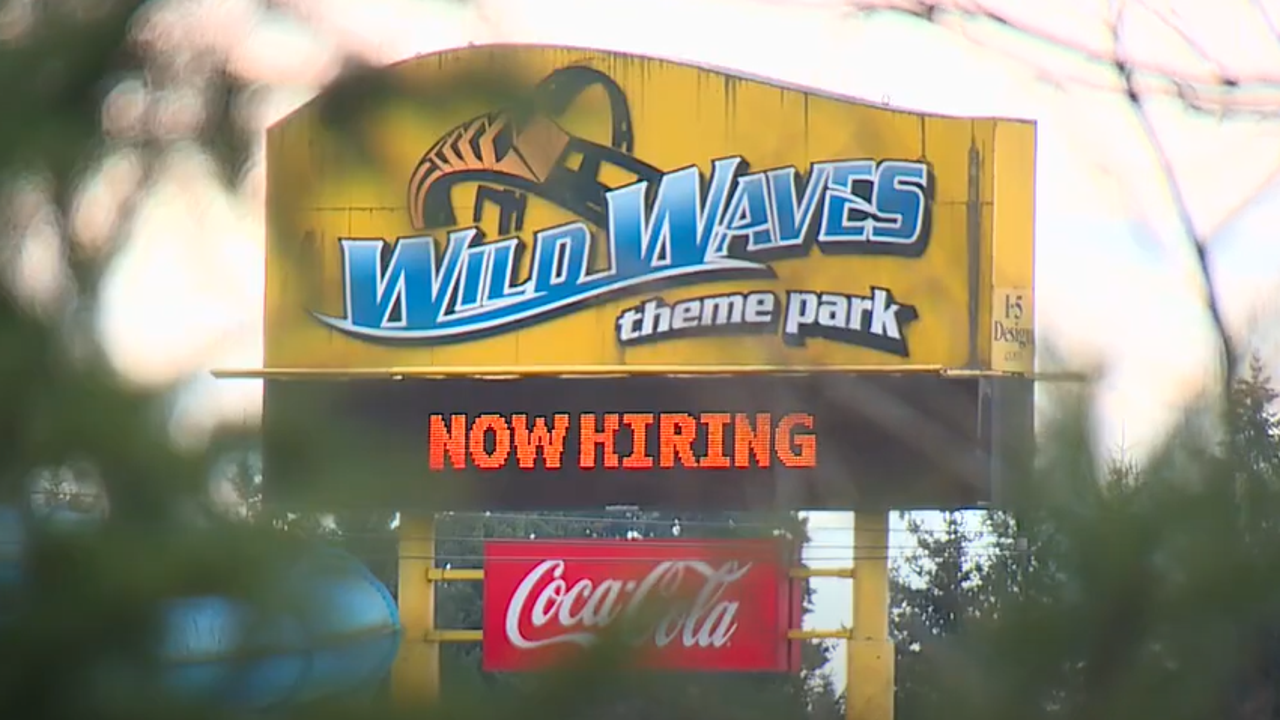
Wild Waves Theme Park has announced that its 2026 operating season will be its last, marking the end of nearly five decades of operation in the Pacific Northwest.
The park, which has been an entertainment fixture in the region since 1977, will open as planned on May 23, 2026, and close to the public on November 1, park officials said Wednesday.
“We are thankful for our guests, team members, and the community of Federal Way for supporting Wild Waves and creating so many thrills and great memories with families and friends,” said Kieran Burke, President and Owner of Premier Parks. “Unfortunately, the rising cost of ongoing operations since reopening after the COVID shutdown has generated millions in losses, which forces us to discontinue operations at the end of our 2026 season.”
Despite the impending closure, Wild Waves is committed to providing a full and vibrant experience for its final season, according to park officials.
All previously purchased 2026 group events, season passes, and ticket packages will be fully honored, Wild Waves announced.
Over the decades, Wild Waves has attracted millions of visitors with its unique blend of theme park thrills and waterpark attractions, becoming a summer destination for families throughout Washington and beyond.
From foam fests to traditional water park activities, Wild Waves has served as the region’s premier family entertainment destination, offering cooling relief during hot Pacific Northwest summers.
During the fall months, the park has hosted “Fright Fest” at Wild Waves, offering a Halloween-themed experience that expanded the park’s appeal beyond the summer season.
Wild Waves is operated by Premier Parks, LLC, based in Oklahoma City, while the land the park occupies in Federal Way is owned by Jeff Stock of EPI Realty Holdings, Inc.
“We recognize the deep history and emotional connection many residents have with the park, and we are committed to ensuring a respectful transition while planning a project that will bring meaningful, lasting benefits to the area,” Stock said.
“Plans for the site are currently in preliminary stages, with goals beneficial to the city and surrounding areas. Additional details will be released as the project moves through planning and community review processes,” Stock added.
The park employs approximately 35 full-time and 800 seasonal team members, according to Wild Waves.
The nearly 50-year history represents multiple generations of Pacific Northwest families who visited Wild Waves during childhood and later brought their own children. This multi-generational connection explains the emotional response the closure announcement has generated.
The 1977 opening placed Wild Waves among relatively few major theme parks in the Pacific Northwest, a region that lacks the concentration of entertainment venues found in Southern California or Florida. This geographic advantage helped the park maintain relevance for decades.
The COVID shutdown referenced by Burke represented a devastating disruption for theme parks nationwide. Extended closures with no revenue but ongoing maintenance costs created financial stress that many operators struggled to overcome.
The millions in losses Burke cited indicate that attendance and spending never recovered to pre-pandemic levels sufficient to offset increased operating costs. Theme parks face substantial fixed costs including insurance, maintenance, utilities, and minimum staffing regardless of attendance.
The rising cost of operations reflects broader inflationary pressures affecting all businesses. Labor costs, utilities, insurance, equipment maintenance, and regulatory compliance have all increased substantially in recent years.
The May 23, 2026 opening date follows Wild Waves’ traditional late spring start coinciding with school year endings and warming weather. The November 1 closure extends through Halloween season, maximizing the Fright Fest revenue opportunity.
The commitment to honoring all 2026 purchases protects customers who made advance commitments. Season pass holders who purchased expecting multiple years of use will receive one final season.
The unique blend of theme park rides and waterpark attractions differentiated Wild Waves from pure amusement parks or water parks. This hybrid model provided diverse entertainment options within a single admission.
The foam fests and traditional water park activities created affordable family entertainment during expensive summer months. Compared to multi-day destination vacations, Wild Waves offered accessible day trips for regional families.
Fright Fest capitalized on Halloween popularity to extend the operating season beyond summer. October events helped parks generate revenue during traditionally slower fall months before winter closures.
Premier Parks’ Oklahoma City location means operational decisions were made remotely rather than by local management intimately familiar with Pacific Northwest market dynamics. This distance may have contributed to challenges adapting to post-pandemic conditions.
Stock’s ownership of the underlying land means redevelopment decisions rest with his company rather than the park operator. His comments about “meaningful, lasting benefits” suggest plans for substantial development rather than simply leaving the site vacant.
The preliminary planning stage language indicates formal applications have not yet been submitted to Federal Way. Community review processes will give residents opportunity to weigh in on future use.
The 35 full-time and 800 seasonal employees face job loss when the park closes. Full-time staff may have relied on year-round employment, while seasonal workers often return annually, making Wild Waves part of their summer routine.