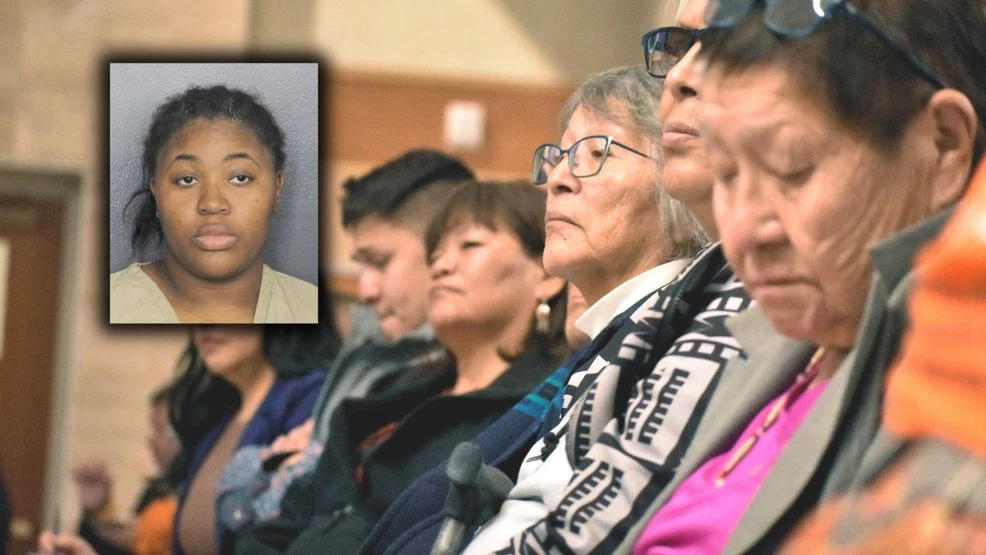
Jamisha Shamari Sylvain walked into apartment buildings housing elderly residents, introduced herself as a caregiver, and convinced vulnerable seniors to let her inside their homes.
Once inside, the 26-year-old Deerfield Beach woman accessed debit cards and personal banking information, draining accounts of thousands of dollars before moving on to her next victim, according to investigators.
Detectives with the Broward Sheriff’s Office say Sylvain infiltrated senior living communities by pretending to be a caregiver, then exploiting the trust elderly residents placed in someone they believed was there to help them.
BSO began investigating in October after receiving a report that an elderly man had been exploited by an unknown woman. According to detectives, Sylvain posed as a caregiver at the B’nai B’rith apartments, convincing the victim to let her inside his home. Once inside, she accessed his bank card and withdrew around $1,600.
Further investigation revealed that Sylvain allegedly carried out similar schemes targeting other elderly residents. In some cases, she claimed to be a new caregiver assigned by the victim’s health insurance company. Detectives say she used these tactics to gain trust, then stole debit cards and persuaded victims to share personal banking details.
On December 19, BSO detectives arrested Sylvain, and she was booked into the BSO Main Jail on multiple charges, including occupied burglary, elderly exploitation, criminal use of personal identification information, theft of a credit card, and grand theft from a person 65 or older.
Authorities believe there may be additional victims and are urging anyone with information to come forward.
They also shared tips to help prevent similar scams:
Verify caregivers and aides: Confirm identity, credentials, and references before granting access to your home or finances.
Monitor financial accounts: Regularly review bank statements and credit reports for unfamiliar transactions.
Involve a trusted person: Consult a friend or family member before sharing financial information.
Report suspicious activity early: Prompt reporting increases the chances of stopping losses.
The investigation remains active. Anyone who believes they or someone they know may have been targeted by this scam should ring BSO’s non-emergency number at 954-764-HELP (4357).
The scheme Sylvain allegedly ran exploits one of the most vulnerable populations: elderly people who often need legitimate caregiving assistance and may have cognitive impairments that make them less able to recognise deception.
The caregiver disguise represents a particularly cruel manipulation. Elderly people expecting help from healthcare workers are predisposed to trust someone claiming that role, especially when the person arrives with plausible stories about being assigned by insurance companies.
The B’nai B’rith apartments and other senior living communities often have security measures, but someone claiming to be a caregiver can bypass these protections. Security guards and front desk staff generally allow people identifying as healthcare workers to access the building.
The $1,600 withdrawn from one victim likely represents just a fraction of total losses across multiple victims. Elder financial exploitation cases often involve thousands or tens of thousands of dollars stolen before schemes are discovered.
The insurance company cover story Sylvain allegedly used demonstrates sophistication. Elderly people dealing with Medicare, supplemental insurance, and various health plans often receive legitimate communications about new providers or coverage changes, making the deception believable.
Once inside apartments, Sylvain allegedly accessed bank cards and convinced victims to share personal banking information. This two-pronged approach of physical theft combined with social engineering to obtain PINs and account details maximises the amount that can be stolen.
The occupied burglary charge indicates Sylvain entered homes through deception with intent to commit theft inside, a more serious charge than simple theft because it involves invading someone’s residence.
The elderly exploitation charge carries enhanced penalties in Florida and most states, recognising that crimes against vulnerable seniors deserve harsher punishment than similar crimes against younger victims.
The criminal use of personal identification information charge addresses the identity theft component where Sylvain allegedly used victims’ banking details to access accounts.
The grand theft from a person 65 or older charge again reflects enhanced penalties for targeting elderly victims, with higher monetary thresholds and longer potential sentences than theft from younger people.
Authorities believing additional victims exist is common in elder fraud cases. Many elderly victims don’t report crimes because of embarrassment, cognitive decline that prevents them from recognising they’ve been victimised, or fear that reporting will lead to loss of independence.
The prevention tips BSO shared apply broadly to elder fraud schemes. Verifying caregiver credentials before allowing home access represents the primary defence against this type of scam.
Monitoring financial accounts helps catch exploitation early, but requires elderly people to have the cognitive ability and technical skills to regularly check online banking or carefully review paper statements.
Involving a trusted friend or family member before sharing financial information provides a safeguard when elderly people may not recognise red flags that younger people would immediately spot.
Early reporting increases chances of stopping losses because banks can freeze accounts, reverse fraudulent transactions, and law enforcement can identify patterns connecting multiple victims to the same perpetrator.