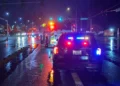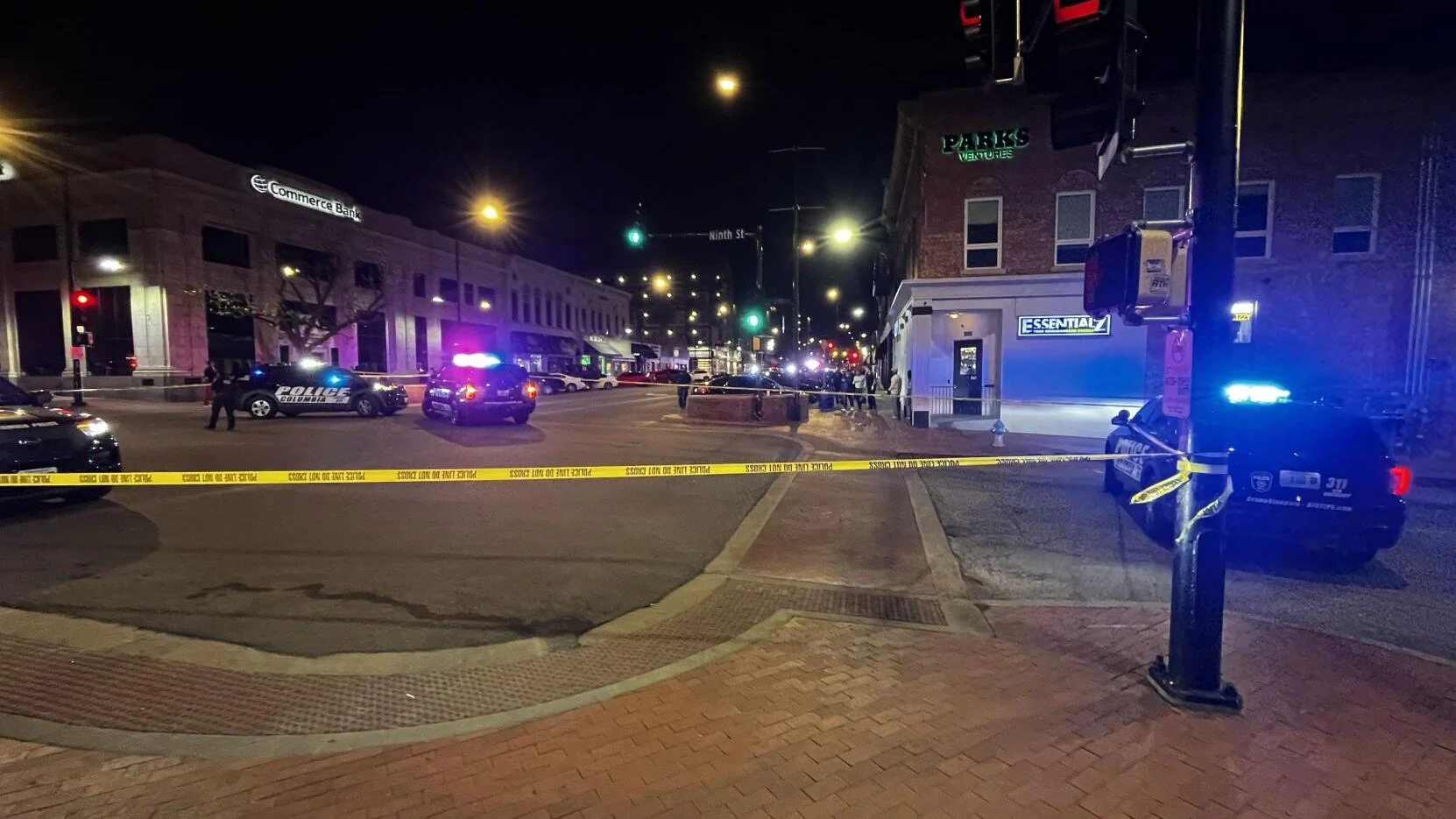
A 17-year-old boy was hospitalized following a shooting in Seattle’s Columbia City neighbourhood on Tuesday evening, with police searching for suspects after discovering evidence of extensive gunfire that struck multiple parked vehicles.
Officers responded to a 911 call reporting shots fired near Rainier Avenue South and South Adams Street at approximately 7:10 p.m. When they arrived, they located the victim at 30th Avenue South and South Adams Street.
The teen, who suffered a gunshot wound, was transported to Harborview Medical Center in serious condition.
Officers cordoned off the area along Rainier Avenue South, where multiple parked vehicles had been struck by gunfire. Detectives also recovered several shell casings at the scene.
The Seattle Police Department’s Gun Violence Reduction Unit is leading the investigation.
SPD spokesperson Officer Brian Pritchard stated it was too early to determine whether the shooting was a drive-by incident.
The shooting of a 17-year-old in Columbia City during the evening hours on a residential street illustrates the persistent gun violence challenges affecting Seattle neighbourhoods, where incidents involving juveniles both as victims and perpetrators have created ongoing public safety concerns and trauma within communities already struggling with crime perception and reality gaps.
The location near Rainier Avenue South and South Adams Street places the incident along a major arterial corridor in Columbia City, a diverse neighbourhood that has experienced significant gentrification in recent years whilst maintaining working-class and immigrant populations. Rainier Avenue serves as a commercial spine with businesses, transit routes, and pedestrian activity, making gun violence in the area particularly concerning because of potential risks to bystanders and impacts on community feelings of safety.
The discovery of the victim at 30th Avenue South and South Adams Street, a location distinct from the initial shots-fired report near Rainier Avenue, suggests either the teen fled or was moved after being shot, or the shooting involved movement across multiple locations. This geographic spread complicates the investigation by expanding the potential crime scene area where evidence may be located and witnesses may have observed events.
The serious condition designation for the teenage victim indicates life-threatening injuries requiring intensive medical intervention at Harborview Medical Center, the region’s Level I trauma centre specialising in treating gunshot wounds and other critical injuries. The transport to Harborview rather than a closer hospital reflects either the severity of injuries requiring the highest level of trauma care or standard protocol for gunshot victims in Seattle.
The multiple parked vehicles struck by gunfire indicates either substantial ammunition expended during the incident, poor marksmanship by the shooter or shooters, or both. The presence of bullet damage on parked cars provides physical evidence that can help investigators reconstruct the shooting trajectory, determine how many weapons were involved, and potentially recover projectiles for ballistic analysis that might link the shooting to other crimes or identify weapon types used.
The recovery of several shell casings at the scene provides crucial forensic evidence. Shell casings can be analysed for calibre identification, firing pin and extractor marks that create unique signatures linking specific weapons to crimes, and potential DNA or fingerprint evidence if the person loading ammunition left biological traces. The National Integrated Ballistic Information Network maintains databases of ballistic evidence that allow investigators to determine whether weapons used in this shooting have been involved in other crimes.