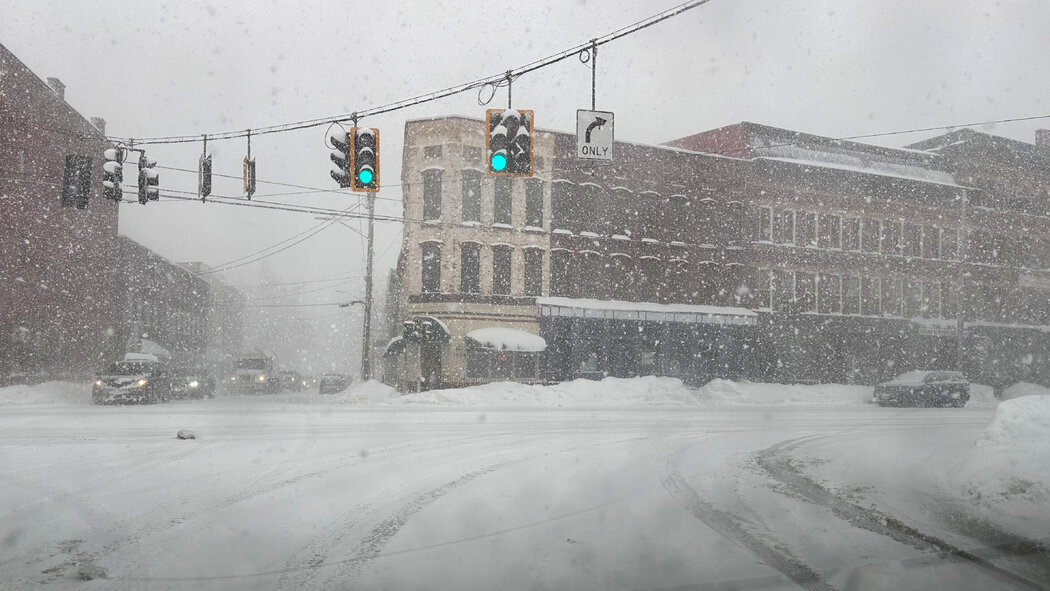
A massive winter storm system is bearing down on the United States this weekend, threatening more than half the country’s population with conditions meteorologists are calling unusually dangerous for its scope and intensity.
What makes this storm different isn’t just the snow totals or the cold temperatures in isolation. It’s the combination: an Arctic air mass dropping temperatures to record lows while a slow-moving storm dumps heavy snow across a path stretching from the Rockies to the Atlantic coast. The National Weather Service warned that wind chills could fall below -50F across the Northern Plains, cold enough to cause frostbite on exposed skin within minutes.
The storm’s trajectory cuts through major population centers that don’t always see severe winter weather. Cities like Memphis, Nashville, and Atlanta are preparing for conditions more typical of the upper Midwest. Infrastructure in these areas isn’t built for prolonged freezing: water systems, power grids, and road networks face disruptions that northern cities might manage more easily.
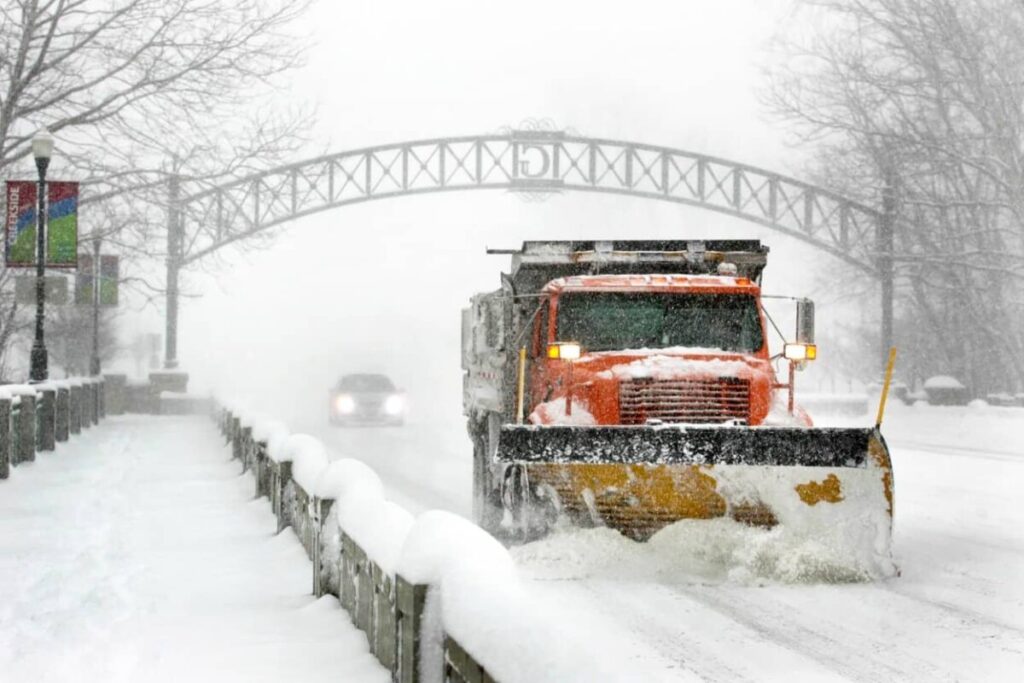
Governors in Arkansas, Georgia, Texas, North Carolina, and South Carolina have declared states of emergency, allowing states to mobilize National Guard troops and emergency resources before the storm hits. Forecasters expect more than a foot of snow accumulation from Colorado through West Virginia and up to Boston. The storm is moving slowly, which means sustained snowfall over many hours rather than a quick burst.
Airport authorities in several major cities have warned travelers to expect widespread disruptions. Some airlines are waiving change fees, a signal they expect significant cancellations. Meteorologists are advising people to avoid driving through the weekend entirely. When officials say travel will be “nearly impossible during the peak of the storm,” that’s a statement about whiteout conditions, ice-covered roads, and emergency services that may not be able to reach stranded motorists.
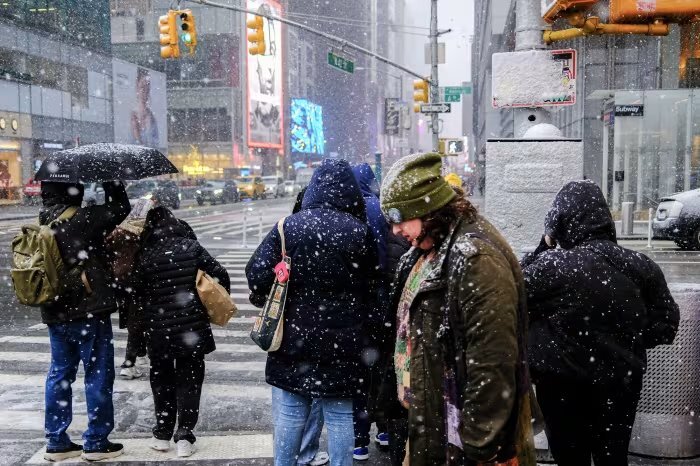
The southeastern United States faces particular vulnerability. Freezing temperatures there affect populations less accustomed to extreme cold and less likely to have adequate heating, insulation, or winter clothing. During past cold snaps, southern states have seen spikes in hypothermia cases and carbon monoxide poisoning from people using improper heating methods.
For Seattle residents, this storm offers a reminder of December’s atmospheric rivers and their cascading effects. When major weather systems disrupt large swaths of the country, supply chains stall, flights get cancelled, and shipping delays ripple outward.