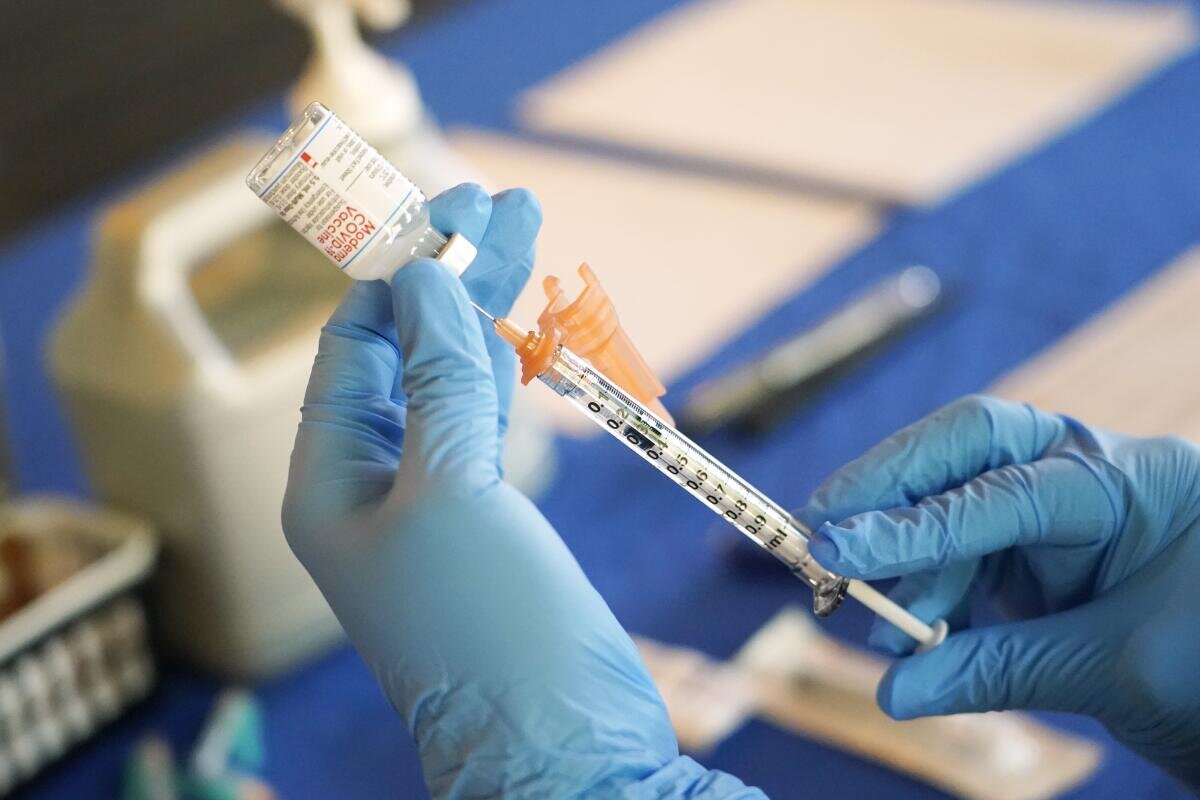
A candidate vaccine designed to fight multiple coronaviruses including COVID-19 and related respiratory diseases has started human clinical testing in Australia, developed using technology from the University of Washington’s Institute for Protein Design.
South Korean pharmaceutical company SK bioscience is leading the trial for the new coronavirus vaccine called GBP511. SK bioscience previously partnered with UW researchers on a COVID-19 vaccine that received regulatory approval. The Coalition for Epidemic Preparedness Innovations has provided the GBP511 program with approximately $65 million in funding.
Unlike most vaccines that target a single virus or strain, GBP511 aims to protect against multiple coronaviruses at once. “GBP511 is the first vaccine to reach human testing that is intended to protect against multiple strains of the virus that causes COVID-19 as well as related coronaviruses with the potential to spark dangerous outbreaks,” said Neil King, associate professor of biochemistry at UW Medicine and deputy director of the Institute for Protein Design, who co-invented the self-assembling nanoparticle technology used to generate the vaccine.
The new vaccine recognizes sarbecoviruses, a subgroup of coronaviruses that include the virus causing COVID-19, the original SARS-CoV-1 virus that caused widespread illness in the early 2000s, and MERS-CoV, which caused outbreaks primarily in the Middle East. The family also includes viruses found in animals such as camels and bats, some of which have already infected humans and others that potentially could. The vaccine features pieces of four different coronaviruses attached to a computer-designed nanoparticle, triggering an immune response to a variety of invaders.
“The beauty of this approach is that by presenting the immune system with multiple related antigens at once, we can train it to recognize features that are conserved across the entire sarbecovirus family,” said David Veesler, a professor of biochemistry at UW Medicine who led the preclinical studies. The Institute for Protein Design is on the cutting edge of AI-assisted protein innovation and home to David Baker, a 2024 Nobel Prize winner in chemistry.
The international Phase 1/2 trial launched enrollments last month and aims to include approximately 368 healthy adults in Perth, Western Australia. Results from the study examining the vaccine’s safety and effectiveness are expected by 2028. The multi-coronavirus approach represents a shift from traditional vaccine development that targets individual viruses.