The Seattle City Council has approved an emergency ordinance that temporarily suspends local zoning laws to rapidly expand the city’s homeless shelter capacity, a measure council members say is essential to addressing a crisis that has now persisted under an official state of emergency for more than a decade.
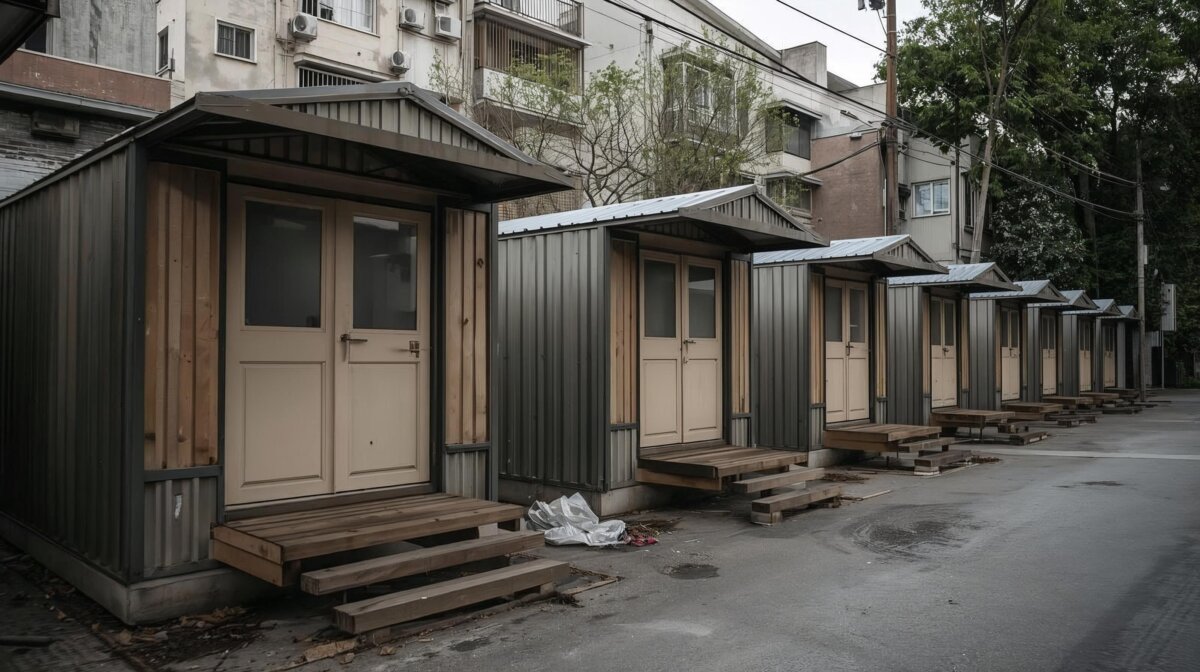
The ordinance is a central component of Mayor Katie Wilson’s initiative to add 1,000 new shelter beds across Seattle by the end of the year. Under the new rules, existing tiny home villages and city-zoned encampments will be allowed to increase their capacity by up to 50 people per site, raising the previous cap from 100 to 150 residents. Camp Second Chance, a shelter site near White Center, receives specific designation under the ordinance allowing it to expand to up to 250 people. City officials estimate the zoning changes will produce upwards of 530 new beds across several neighbourhoods including the University District, Fremont, Madison, Rainier Beach, and downtown Seattle.
A companion bill passed alongside the ordinance allows the city to lease larger plots of land at market rate and eliminates administrative delays that have historically slowed shelter construction. Officials say the changes will allow new shelter sites to become operational in three to four months, down from the typical timeline of one year.

Councilmember Dionne Foster, the District 9 representative who sponsored the legislation, said the council worked to balance urgency with accountability. “I know all of us share a sense of urgency around addressing homelessness, and we also share a sense of making sure that we get this expansion right,” Foster said. “I believe that we did a lot of work to move in that direction.” Before passing the final legislation, the council adopted an amendment establishing regulations on how close expanded shelter communities can be located to local schools.
City officials defended the aggressive approach, describing the expansion as the most cost-effective strategy available to transition vulnerable people off Seattle’s streets. An estimated 4,500 unhoused individuals are currently sleeping in the city’s parks and public rights-of-way.
The emergency ordinance will remain in effect for one year following Mayor Wilson’s signature. During that period, city officials plan to study the impacts of the expanded density and the accelerated development timelines on surrounding communities.
The legislative push comes as Seattle’s homelessness crisis enters its eleventh year under an official state of emergency. The city first declared a civil emergency regarding homelessness on 2 November 2015, designating it a public health crisis. More than a decade later, that declaration remains active and the city’s unhoused population has continued to grow.