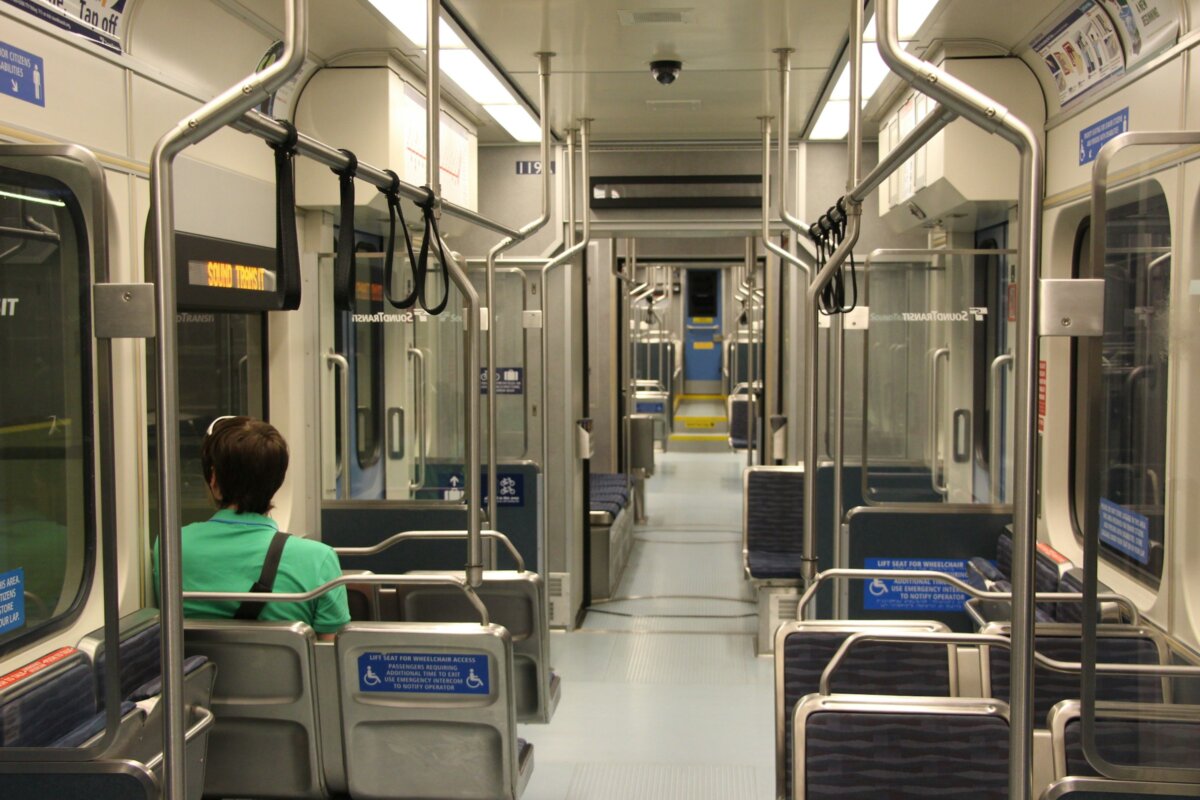
Sound Transit board members are considering whether to shorten, phase, or delay long-promised light rail expansions to West Seattle and Ballard as the agency confronts a projected $34.5 billion shortfall in its voter-approved ST3 plan, with all options on the table involving significant reductions to what voters approved in 2016.
At a board retreat this week, agency staff presented three concepts that would dramatically reshape the Seattle extensions. Under one approach, Sound Transit would extend light rail to West Seattle’s Alaska Junction but eliminate the Avalon station, while the Ballard line would be built only to Seattle Center rather than continuing to South Lake Union. A second option would delay final design and construction of the West Seattle extension and limit Ballard service to Smith Cove. A third would build the West Seattle line only to Delridge and extend Ballard service only to Seattle Center, while phasing other projects in the system farther north and south.
Agency staff told directors the three concepts were not meant to serve as final recommendations. The presentation said the options are “illustrative” starting points and that any eventual update to the ST3 system plan will likely blend elements from multiple approaches. Each option under consideration would significantly reshape what voters approved in 2016.
The proposed changes come as Sound Transit faces rising capital and operating costs, along with weaker revenue projections, prompting a broader review of how to deliver the ST3 expansion package. The agency said it remains financially stable in the near term, with more than $8 billion in cash and investments. However, it projects long-term affordability challenges beginning in the 2030s if adjustments are not made.
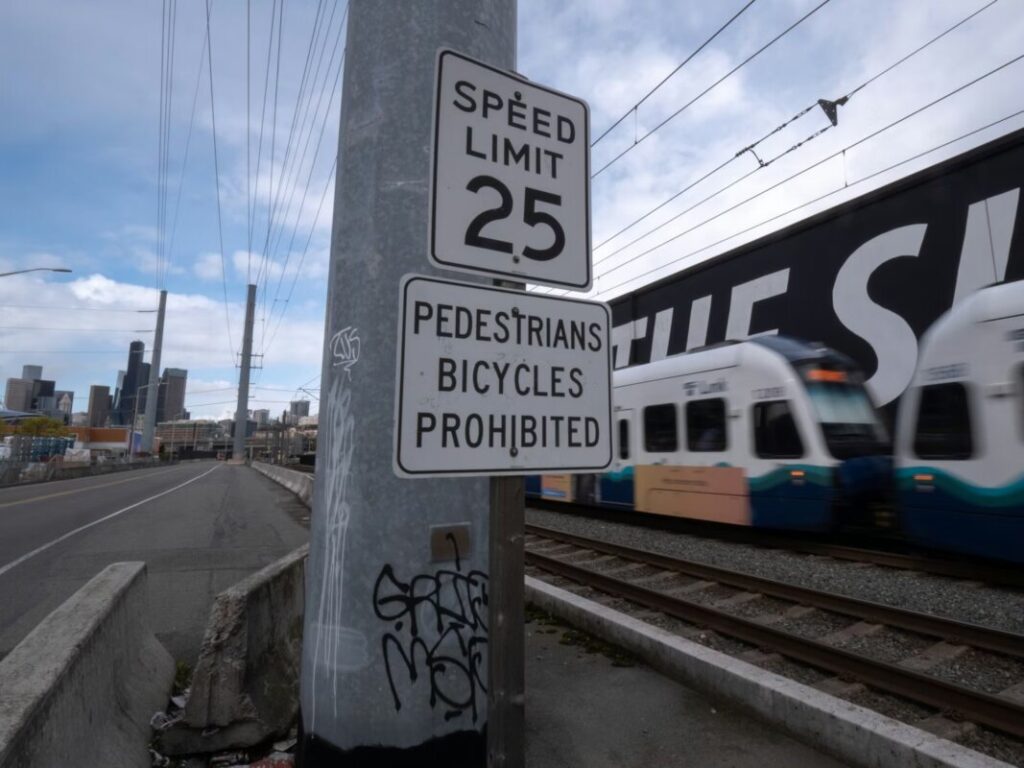
The West Seattle project had appeared to be further along. Sound Transit said the line approved by voters in 2016 was narrowed in October 2024 to a 4.1-mile route with up to four stations from SODO to Alaska Junction. The agency said cost-saving options under review could reduce the project’s estimated cost by $2.1 billion to $2.6 billion, resulting in a revised estimate of $4.9 billion to $5.3 billion in 2025 dollars.
The Ballard Link Extension remains in the planning phase. Sound Transit said the project, as approved by voters, would add 7.7 miles of rail, nine stations, and a new downtown tunnel. A final environmental impact statement is expected in 2026. The possibility of scaling back Seattle segments drew immediate criticism from local leaders.
Seattle City Councilmember Dan Strauss, who also serves on the Sound Transit board, said all three options fall short of delivering rail service to Ballard as promised under ST3. “Sound Transit needs a plan to get to Ballard. Anything short of that is unacceptable,” Strauss said in a statement.
King County Councilmember Teresa Mosqueda, another board member, said the scenarios should be viewed as a starting point for discussion rather than final proposals. She called for advancing the West Seattle project while continuing to explore ways to complete the Ballard line. “These are not proposals to make cuts, but a starting point. We should move forward on shovel-ready West Seattle while continuing to explore options to deliver rail to Ballard and complete the regional spine,” Mosqueda said.
Representatives from Snohomish and Pierce counties have been pushing for months that Sound Transit needs to prioritize building out the north-south “spine” of the system, including Everett Mayor Cassie Franklin. King County Executive Girmay Zahilay struck a more collaborative tone, saying, “It is my responsibility to listen to the needs and priorities of every part of our county when making decisions. I have met regularly with the Snohomish and Pierce County executives, recognizing that we must work across our three counties to meet the collective needs of our region.”
Charles Prestrud, director of the Coles Transportation Center at the Washington Policy Center, said none of the three proposals addresses Sound Transit’s underlying challenges. He argued the agency should move away from a rail-first approach and consider bus rapid transit and other alternatives. Prestrud also rejected the idea that longer-term borrowing would close the funding gap, saying Sound Transit’s request for authority to issue bonds with 75-year maturities would shift costs to future taxpayers.
That proposal, Senate Bill 6148, would increase the maximum term of regional transit authority bonds from 40 years to 75 years under certain conditions. Prestrud was among those who testified against the bill. It stalled in the House. Sound Transit says its “Enterprise Initiative” will continue through the year and culminate in updates to the ST3 system plan, the agency’s long-range plan, and its financial strategy.
The Seattle-to-Bellevue cross-lake line along Interstate 90, part of the ST2 program, is scheduled to open next week, about six years behind schedule. In a statement late Friday, Sound Transit Board Chair Dave Somers said the agency is working to manage rising costs. “In the face of unprecedented inflation in construction costs, the Sound Transit Board is examining every aspect of the agency’s work to find savings. By adopting an affordable system plan, the board is committed to delivering the benefits of Sound Transit 3,” Somers said.