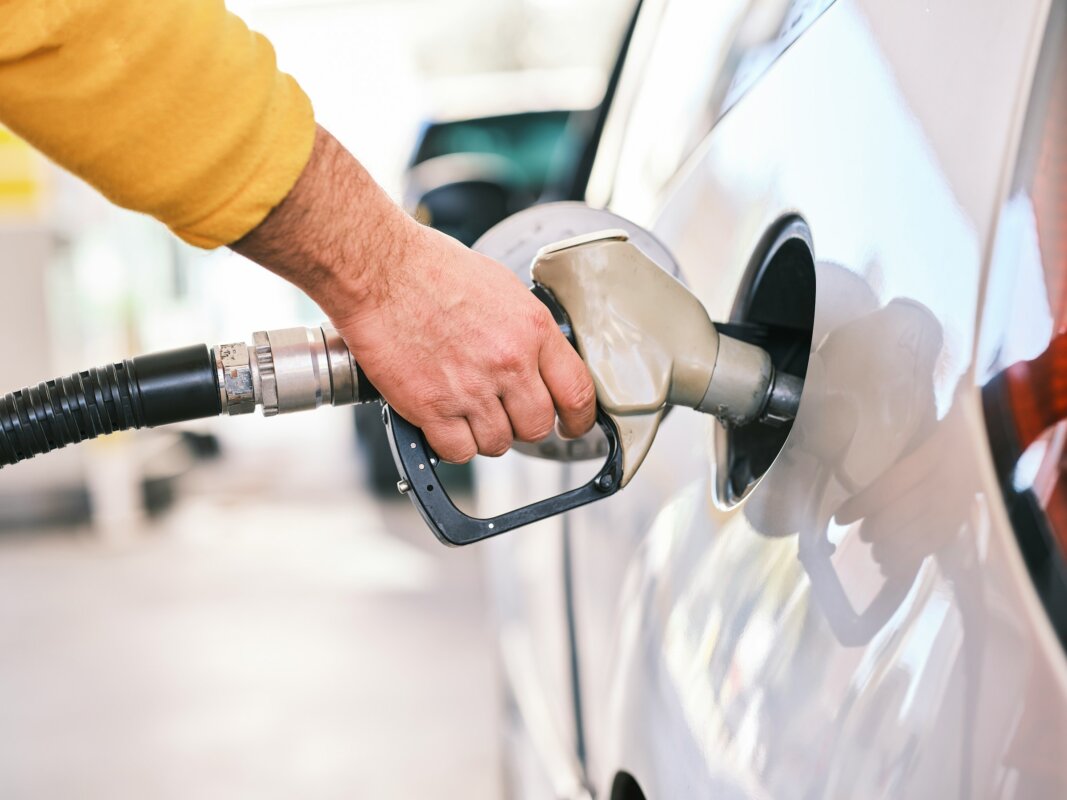
Washington drivers are feeling the squeeze at the pump as petrol prices across the United States have climbed above $4 a gallon for the first time since 2022, driven by a war in Iran that has disrupted the flow of oil through one of the world’s most critical energy corridors.
The national average now sits at $4.02 per gallon for regular gasoline, according to the AAA motoring organisation, representing an increase of more than a dollar since fighting broke out on 28 February. For Seattle-area residents already accustomed to paying above the national average due to Washington state’s fuel taxes, the burden is even sharper.
At the heart of the price surge is the Strait of Hormuz. The narrow waterway, through which roughly a fifth of the world’s oil supply passes, has been effectively closed for the past month as a result of the conflict. With that chokepoint blocked, energy production and transportation across the Middle East has ground to a near halt, sending crude oil prices climbing steeply. Higher crude costs flow quickly and directly into what consumers pay at the pump, and that transmission is now playing out in real time across the country.

Diesel has absorbed the sharpest increases. Before the conflict began, a gallon of diesel averaged $3.76 nationally. It now costs $5.45, a rise of nearly $1.70. Because diesel powers the trucks, trains, and ships that move food and goods across the country, economists expect the higher fuel costs to show up in grocery prices in the weeks ahead.
Ratings agency Moody’s cautioned that this round of fuel price increases may cut deeper into household budgets than previous spikes, pointing to softer wage growth and a weaker job market compared to 2022. “If the conflict is contained soon, the hit to confidence may be temporary,” the agency’s analysts wrote. “But a prolonged crisis could prompt more precautionary saving and further discretionary spending cuts.” The current national average remains below the all-time record of $5.01 per gallon set in June 2022 in the wake of Russia’s invasion of Ukraine, but the trajectory is concerning.
The economic pain extends well beyond the United States. Petrol prices in the United Kingdom have climbed 14% since the war began, with diesel up 27%. Sri Lanka and Bangladesh have both introduced fuel rationing, and Slovenia last week became the first European Union member state to do the same. Australia responded by cutting its fuel sales tax in half for three months, with two states going further and temporarily offering free public transport to encourage drivers off the road.
For now, there is no clear timeline for when the Strait of Hormuz might reopen, and with spring travel demand adding further pressure to an already strained supply picture, analysts say relief at the pump is unlikely to come quickly.