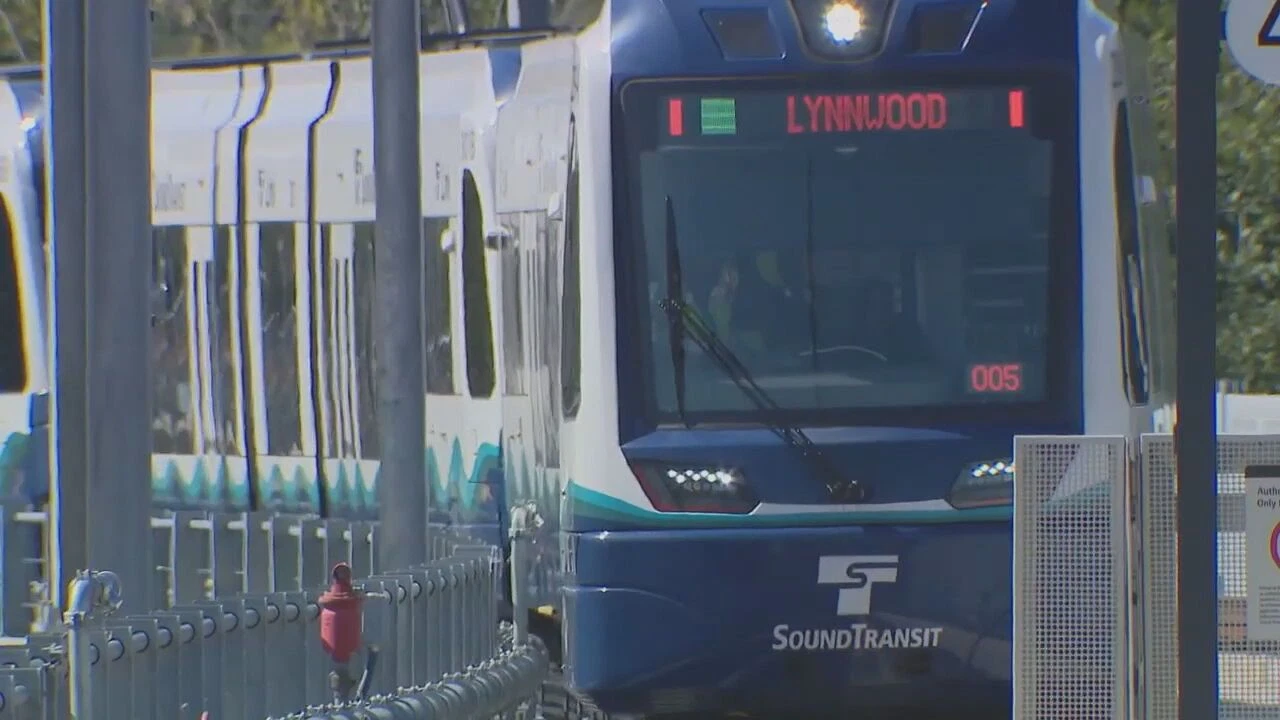
Tacoma city leaders are mounting a public defence of their city’s place in Sound Transit’s long-planned light rail expansion, as the regional transit agency grapples with a projected $35 billion budget shortfall that could force significant cuts to the voter-approved Sound Transit 3 programme.
Tacoma City Council Member Kristina Walker, who also serves on the Sound Transit Board of Directors, briefed fellow council members during a study session Tuesday after participating in a recent Sound Transit retreat where potential cost-cutting scenarios were discussed. Walker said constituents are already raising alarms. “My colleagues here at the city council haven’t been as entrenched, and they are getting calls from constituents who are saying, ‘Hey, what’s happening with transit?'” she said.
Sound Transit 3 was approved by voters in 2016 and promised light rail extensions to Tacoma, Everett, Ballard, West Seattle, South Kirkland, and Issaquah. The budget shortfall, driven by rising land and construction costs that have intensified over the past several years, now threatens to reshape or delay several of those commitments. At the retreat, board members reviewed scenarios that included stopping the southern extension of the Everett-to-Tacoma spine at Fife rather than the Tacoma Dome, and ending the northern extension at the Southwest Everett Industrial Center rather than downtown Everett. Costs for the Ballard line have also risen dramatically, prompting discussions about building only a portion of that route. Other proposals include deferring final construction of the West Seattle line and delaying the South Kirkland-to-Issaquah connection.
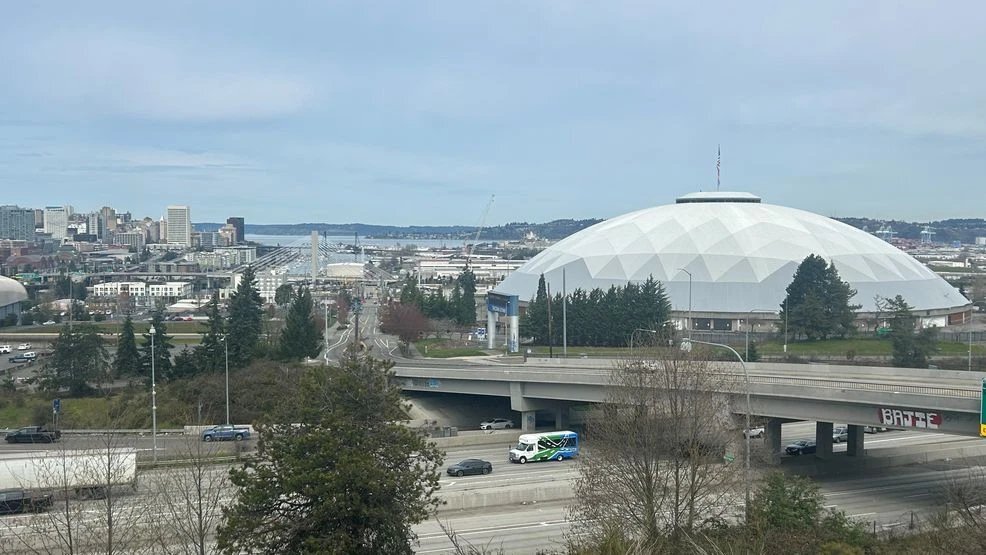
Walker made clear Tacoma will not accept being cut from the plan. “We need to build the spine. We’re going to say that over and over and over,” she said. “We are going to fight tooth and nail to make sure it goes all the way to Tacoma because that’s what the voters deserve and that’s what the riders want.” The Tacoma Dome Link Extension, currently targeted for completion in 2035 after already being delayed five years from its original 2030 target, is estimated to serve 36,000 daily riders.
The Tacoma City Council has also written directly to the Sound Transit Board, urging the agency to honour its commitments to the South Sound. The letter describes Tacoma as one of Washington’s fastest-growing cities and Pierce County as the state’s second-largest county by population, home to nearly one million residents. “The need for expanded high-capacity transit in the South Sound has never been greater,” the letter states. “Investments of this significance should not be deferred in ways that undermine long-term regional mobility or disproportionately impact the South Sound.” The council also called for continued partnership with the Puyallup Tribe of Indians in delivering the project.
Sound Transit officials have said no projects are being cancelled outright. The agency is instead aiming to keep deferred projects shovel-ready and advance them through planning to reach 30% design, a key milestone for securing federal funding if it becomes available. The board is expected to evaluate trade-offs among the various scenarios and adopt specific cost-saving measures by late spring or early summer. Walker acknowledged the challenge ahead. “We’re looking at ways to build them more efficiently. We’re also looking at revenue options, so this is going to be a balance,” she said. “There has to be a little of everything.”