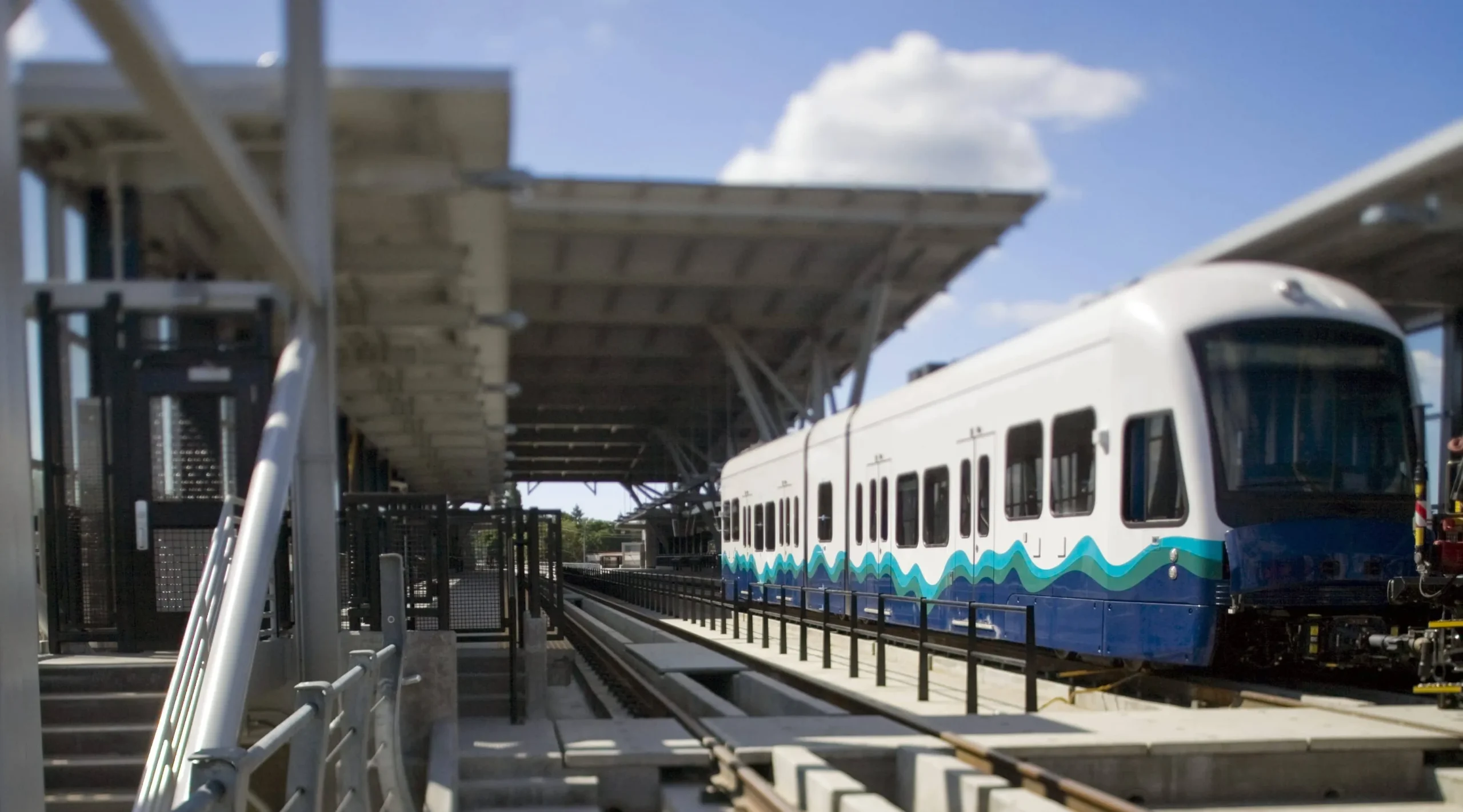
Emergency crews responded to a suspected overdose at the Mercer Island light rail station on Sunday evening, reviving a man with Narcan after he was found unresponsive before he declined further medical care at the scene.
The incident was logged at 7:24 p.m. on 29 March 2026, according to King County law enforcement dispatch records. The man was treated on site by emergency responders who administered Narcan, the opioid reversal medication, before he declined to be transported for additional medical care. No further details about his identity or condition were immediately available.
The episode is drawing attention to public safety concerns at the station as Mercer Island’s town centre adjusts to a new reality following the Sound Transit Cross Lake Connection opening earlier this month. The light rail expansion linked Mercer Island to both Seattle and the broader Eastside network for the first time, bringing a significant increase in daily foot traffic through the station and surrounding area. While the connection has been widely welcomed as a transit milestone, the growth in activity has also raised questions about whether the island’s public safety resources are adequately positioned to handle the changes that come with it.
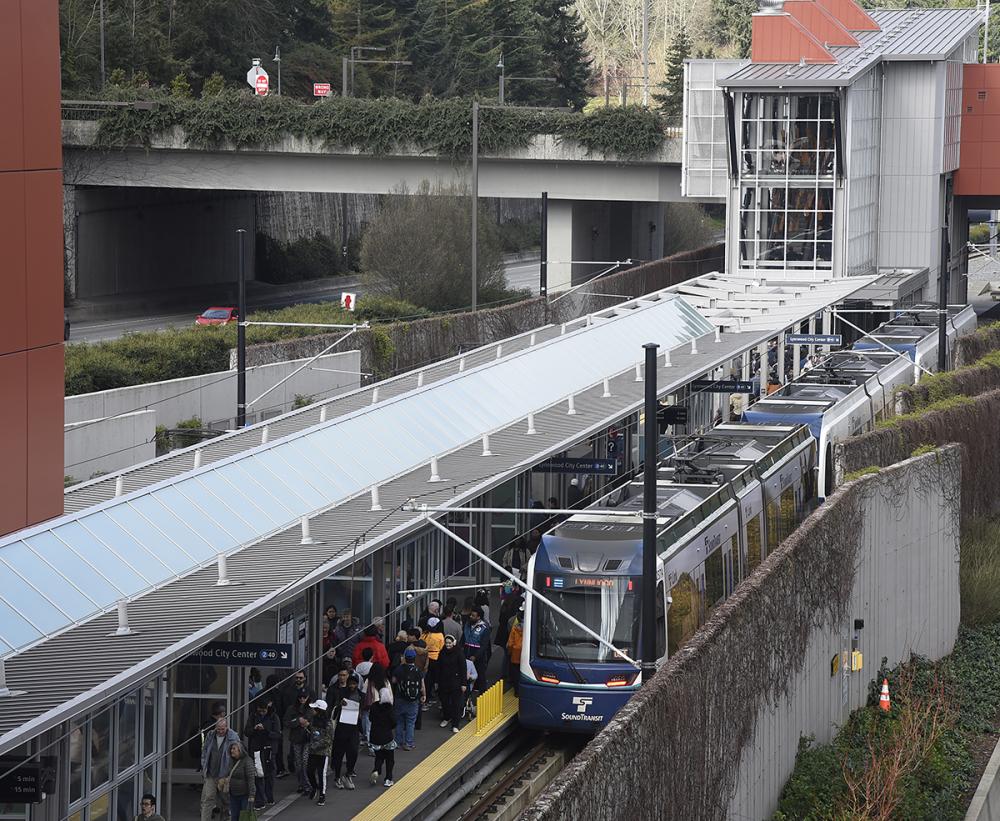
A former Mercer Island city council member addressed those concerns directly in a community forum posted shortly after the incident, noting that the previous council had approved funding for two dedicated Mercer Island Police Department officers assigned specifically to the town centre area. The former member described the decision as timely given the trajectory of development around the station. Whether the current council will preserve that staffing commitment is now an open question, and Sunday’s overdose is likely to sharpen that debate as residents and officials weigh the long-term public safety implications of the area’s rapid transformation.
Narcan, also known by its generic name naloxone, is a fast-acting medication that can reverse opioid overdoses and is widely carried by emergency responders across King County as part of the region’s ongoing response to the opioid crisis.