Gas prices across western Washington are climbing sharply as the war in Iran enters another week with no signs of resolution, pushing fuel costs well above the already elevated national average and forcing drivers to rethink how and when they get behind the wheel.
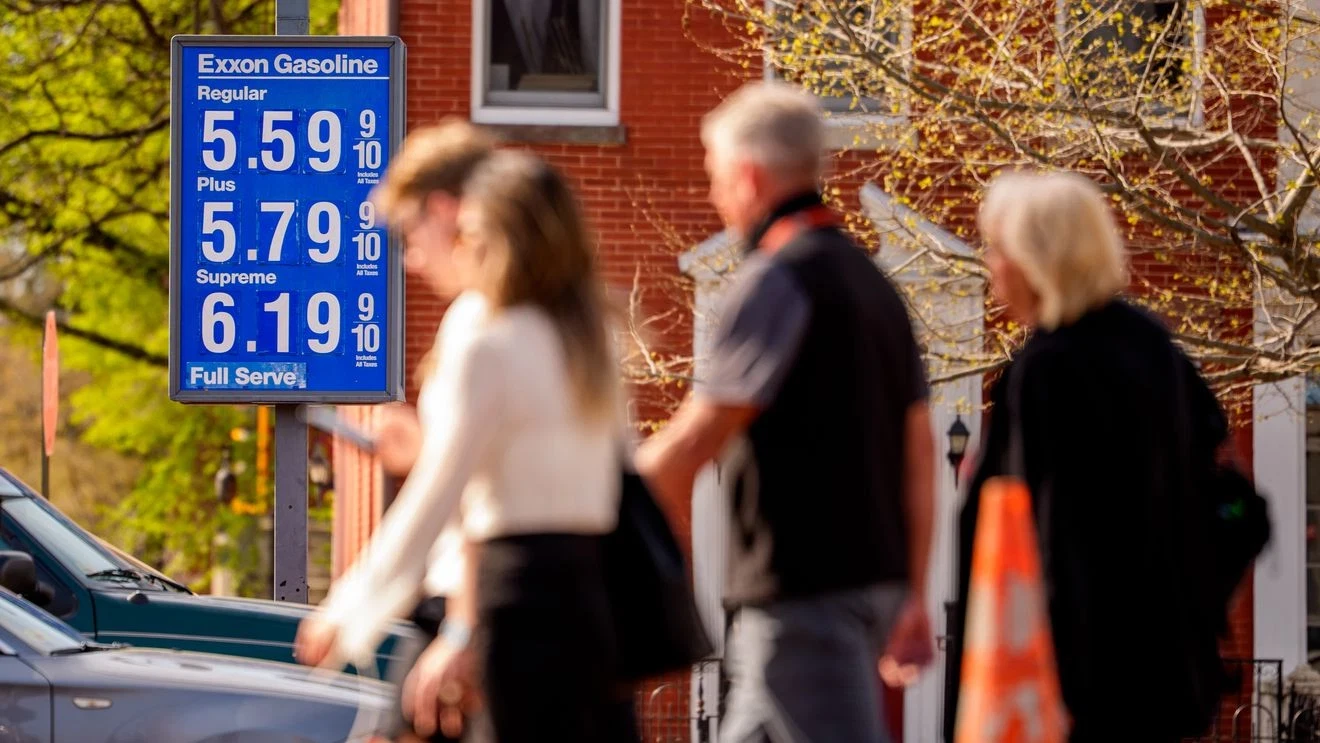
The national average for a gallon of regular gasoline has exceeded $4 for the first time since August 2022, according to AAA. But Washington state drivers are facing a far steeper reality, with the current state average sitting at $5.38 per gallon for regular gas, up from $4.45 just one month ago. King County is bearing the highest prices in the state, where drivers are paying an average of $5.68 per gallon.
The numbers are hitting household budgets hard. “I broke $100, I think it was $110, the other day for a full tank, which is way more than normal,” said Kristie Ascani, a Seattle resident. Another driver, Lisa Bisset, said she has found her own way to cope with sticker shock at the pump. “They’re numbers,” she said. “If I think in terms of money, then I’m going to want high blood pressure medication.”
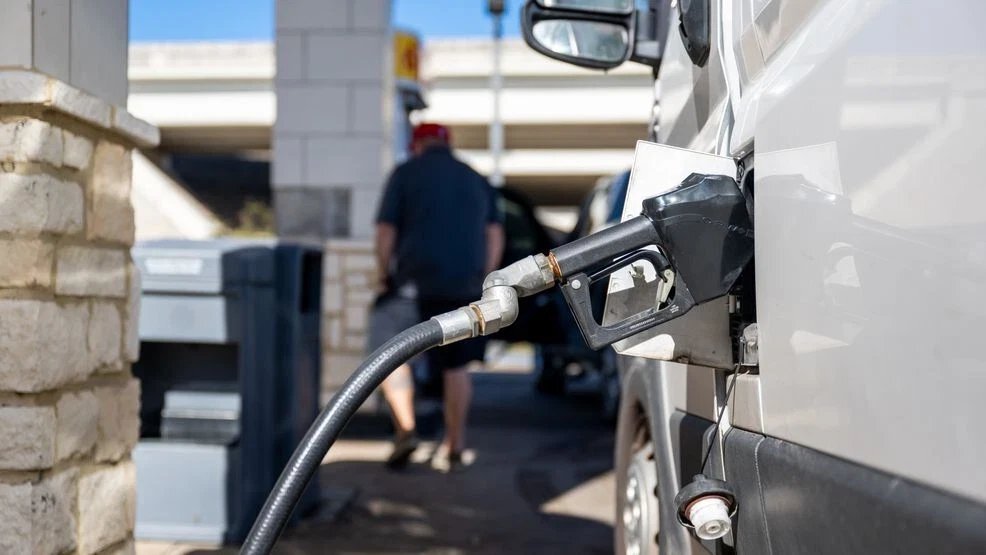
Some businesses are responding to the strain on their customers. The Point Convenience Store in north Seattle has been offering a free hot dog, a bottle of water, and a candy item to customers who purchase at least eight gallons of gas, a promotion now in its fifth week. In the first week of the deal, eight customers took advantage of the offer. By week two that number had climbed to 60, and in the most recent week, 171 customers collected the giveaway, according to the store’s manager.
Several Seattle-area residents said they are leaning heavily on public transit to avoid the pump altogether, while others say driving remains unavoidable but they are being more deliberate about every trip. “You ask yourself, is this trip really necessary?” said Ron Huntington. “And about half the time you come back with, no it can’t wait, we can combine a couple of trips at once.”
The conflict driving the price surge shows no sign of a quick resolution. President Donald Trump threatened escalated action against Iran in a social media post on Sunday, warning the country would be a “living hell” if the Strait of Hormuz is not reopened by Tuesday. The strait, a critical chokepoint for global oil supply, has been effectively closed since the conflict began. Huntington offered a blunt assessment of what lies ahead. “They go up quickly; they drop slowly,” he said. “And I don’t expect this war to end soon.”
Experts warn that sustained high fuel prices are likely to ripple beyond the pump and begin affecting other industries, including food transport and logistics, in the weeks ahead.