Washington state has declared a statewide drought emergency after a warm winter left mountain snowpack at nearly half its normal level, raising serious concerns about water supplies, fish habitat, agricultural output, and wildfire risk heading into what officials are warning could be a very difficult summer.
The Washington Department of Ecology announced the declaration after determining that projected water supplies are likely to fall far short of the state’s summer demand. Despite the state receiving 104% of normal precipitation between October and February, most of that moisture fell as rain rather than snow. Statewide snowpack as of late March sat at the fourth lowest level in the past 40 years, and a long-term forecast calls for above-normal temperatures and below-normal precipitation through June.
“Going into April with half of our usual snowpack is alarming,” said WDE Director Casey Sixkiller. “Without enough snow in the mountains, we must prepare for widespread shortages and challenges across our state. This is becoming an all-too-common experience and is another example of how climate change is visibly reshaping our landscape.” Governor Bob Ferguson framed the declaration as an urgent response to a visible crisis. “If you look at our mountains, the challenge we are facing is clear,” Ferguson said. “We’re taking emergency action to protect fish, farmers and communities across Washington.”
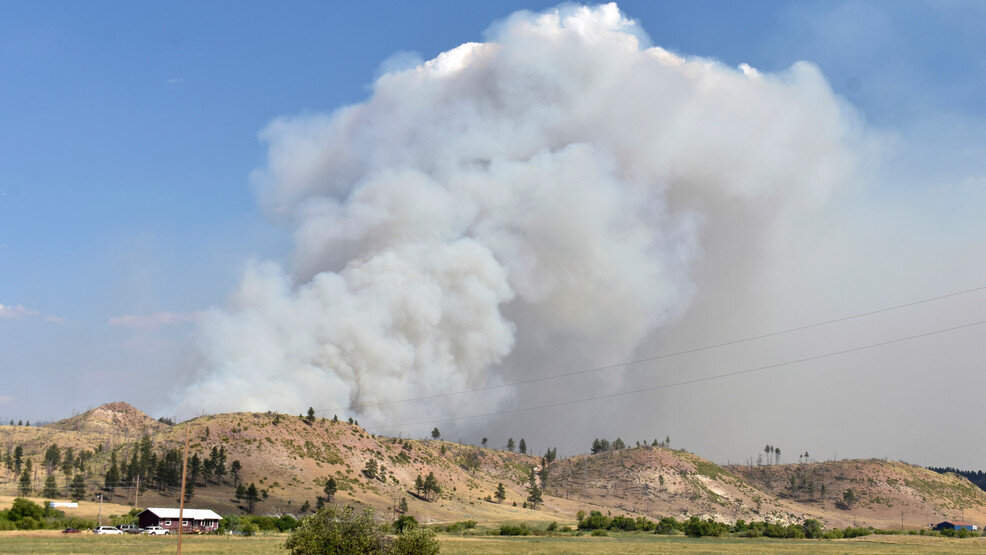
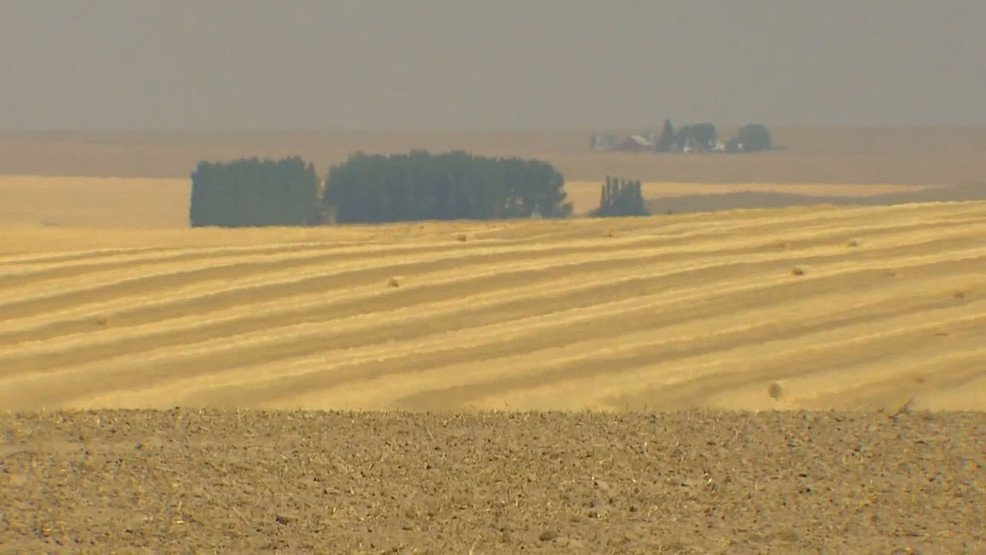
Washington relies on mountain snow accumulating through winter and melting gradually through spring and summer to fill rivers and reservoirs. With snowpack severely depleted, WDE warned that rivers will run low and water temperatures will rise, creating difficult conditions for fish and other aquatic species. Some agricultural producers in the state are already anticipating reducing irrigation or leaving some fields unplanted. The low snowpack and early melt-off are also raising wildfire concerns ahead of the summer season.
The declaration is the fourth statewide drought emergency since 2015 and the fourth consecutive year in which part or all of Washington has been under a drought declaration. Seven of the past ten years have seen drought conditions somewhere in the state. WDE described the current situation as a snowpack drought, a more severe version of conditions seen in 2025, when the agency declared a drought in the Yakima River Basin before expanding it to cover roughly half the state.
The winter’s weather progression compounded the problem at nearly every turn. Heavy rains in December 2025 caused widespread flooding and helped fill some reservoirs, but wiped out most early winter snowpack, with much of the floodwater flowing to the ocean. January and March storms brought heavy snow that helped rebuild snowpack in some basins, but frequent warm stretches eroded those gains. Statewide temperatures between October and February ranked as the third highest on record dating back to 1895.
Karin Bumbaco, deputy state climatologist at the University of Washington’s Washington State Climate Office, said the remaining snow is expected to melt rapidly as spring temperatures climb. “Even the heavy snowfall in mid-March was not enough to make up multiple months of poor snowpack growth, and early spring warmth has melted much of those gains,” Bumbaco said. “The weather progression this winter has lined up to deliver very challenging conditions going into spring and summer.”
WDE said snowpack droughts are becoming more frequent as climate change raises winter temperatures. In the 1990s, these conditions occurred roughly once every five years. Today they happen approximately 40% of the time. By the 2050s, research projects that seven out of every ten years will see snow droughts on average.
The statewide declaration enables WDE to distribute drought emergency response grants and expedite emergency water right permits and transfer applications. The agency is making up to $3 million available in grants to eligible public entities to address water supply impacts. Customers served by Seattle, Tacoma, and Everett water utilities are not expected to face significant impacts, as those utilities planned for drought conditions earlier in the winter. Residents elsewhere are encouraged to contact their local water utilities to learn what conservation measures may be in place.
“Water is a precious resource, and we all have a role to play in protecting it,” Sixkiller said. “We need to plan ahead and work together so that we’re ready for a warmer future.”