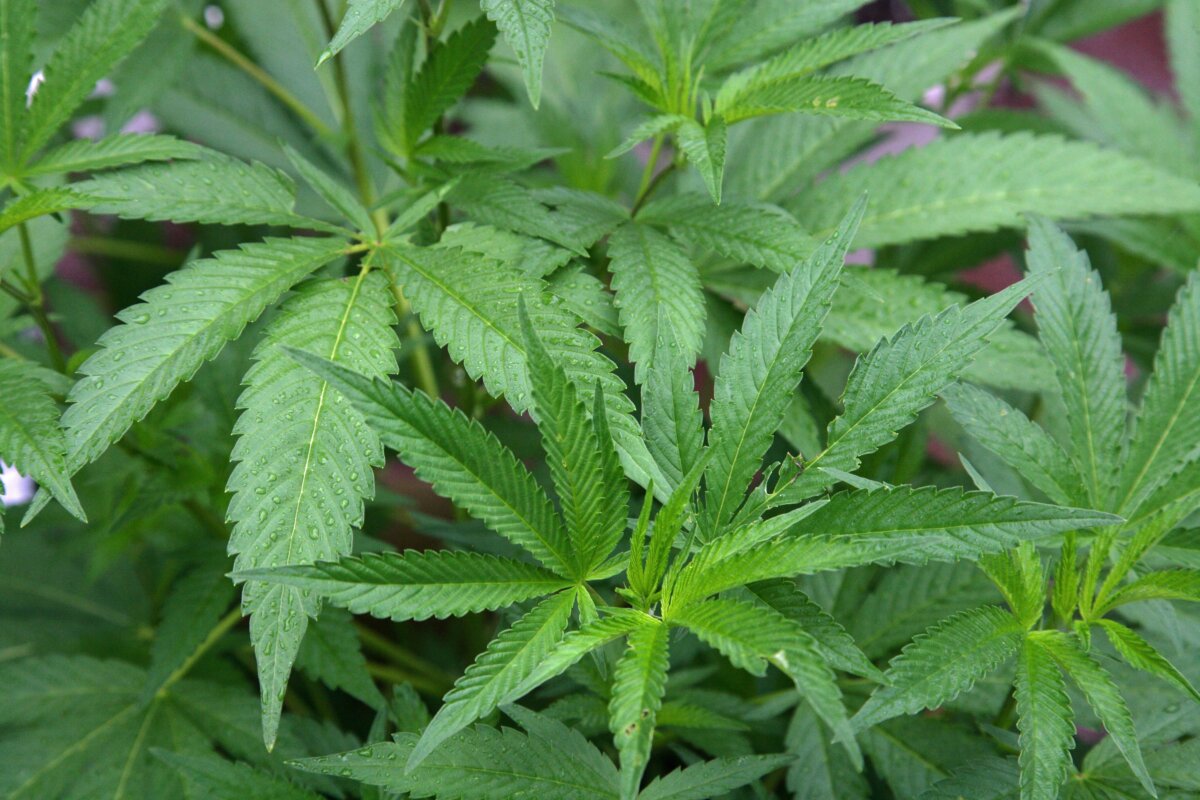
The federal government took a historic step on Thursday, reclassifying cannabis as a less dangerous drug for the first time since it was placed on the most restrictive controlled substances list more than 50 years ago.
Acting Attorney General Todd Blanche signed an order moving state-licensed medical marijuana and Food and Drug Administration-approved cannabis products from Schedule I to Schedule III under the Controlled Substances Act, putting cannabis in the same regulatory category as Tylenol with codeine rather than heroin.
The change does not legalise marijuana under federal law. But it does remove long-standing barriers to scientific research and hands cannabis businesses a significant financial win, allowing them to deduct standard operating expenses on their federal taxes for the first time.
Blanche said the Justice Department was fulfilling a promise made by President Trump, who directed his administration late last year to move quickly on reclassification. “This rescheduling action allows for research on the safety and efficacy of this substance, ultimately providing patients with better care and doctors with more reliable information,” he said.
Washington state residents have had legal access to recreational cannabis since 2012, but businesses here have long operated under the burden of federal tax law that denied them the same deductions available to any other industry. Thursday’s action changes that.
A June hearing has been scheduled to consider broader reclassification of all marijuana at the federal level. Any rule change faces a 30-day challenge window after publication in the Federal Register, and legal opposition is expected.
Advocates say the move, while welcome, falls short. Morgan Fox of the National Organisation for the Reform of Marijuana Laws called it largely symbolic and said full federal de-scheduling remains the goal.
“The real solution is to remove cannabis from the federal schedule entirely,” Fox said, “not simply shift it from one category to another.“