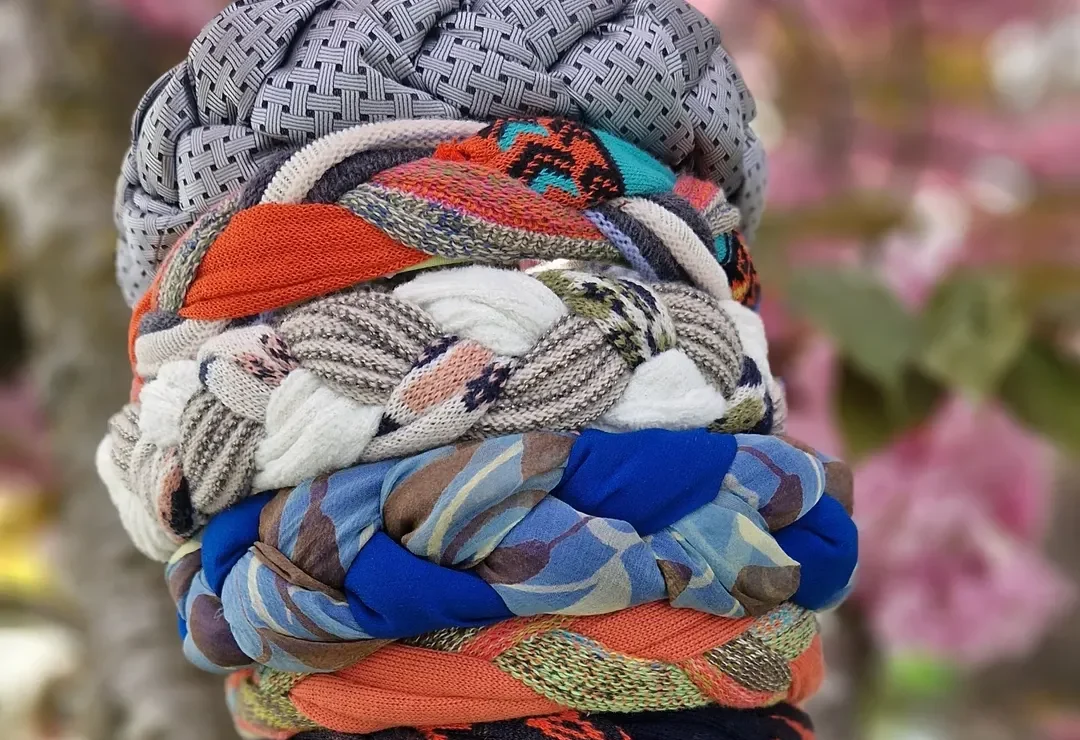
In a modest studio tucked into Ballard, Seattle’s historically Scandinavian and maritime neighbourhood, a craft that dates back to the late 16th century is still very much alive. Tina Giuntini, founder of Bea and Evie Millinery, has spent more than 30 years designing and handcrafting hats that pull from the romance of history while remaining entirely wearable in the present.
Giuntini’s aesthetic is rooted in the eras she loves most. The fluid silhouettes of 1920s flapper fashion and the polished glamour of 1930s Hollywood run through her work like a continuous thread, appearing in the curve of a brim, the placement of a flower, or the texture of a carefully blocked felt. Each hat is made by hand, shaped over a wooden block and finished with handmade flowers that reflect both technical precision and personal artistic vision. In a time dominated by fast fashion and machine production, Giuntini’s process is deliberately slow and intentional, rooted in a set of techniques that most of the modern world has long since abandoned.
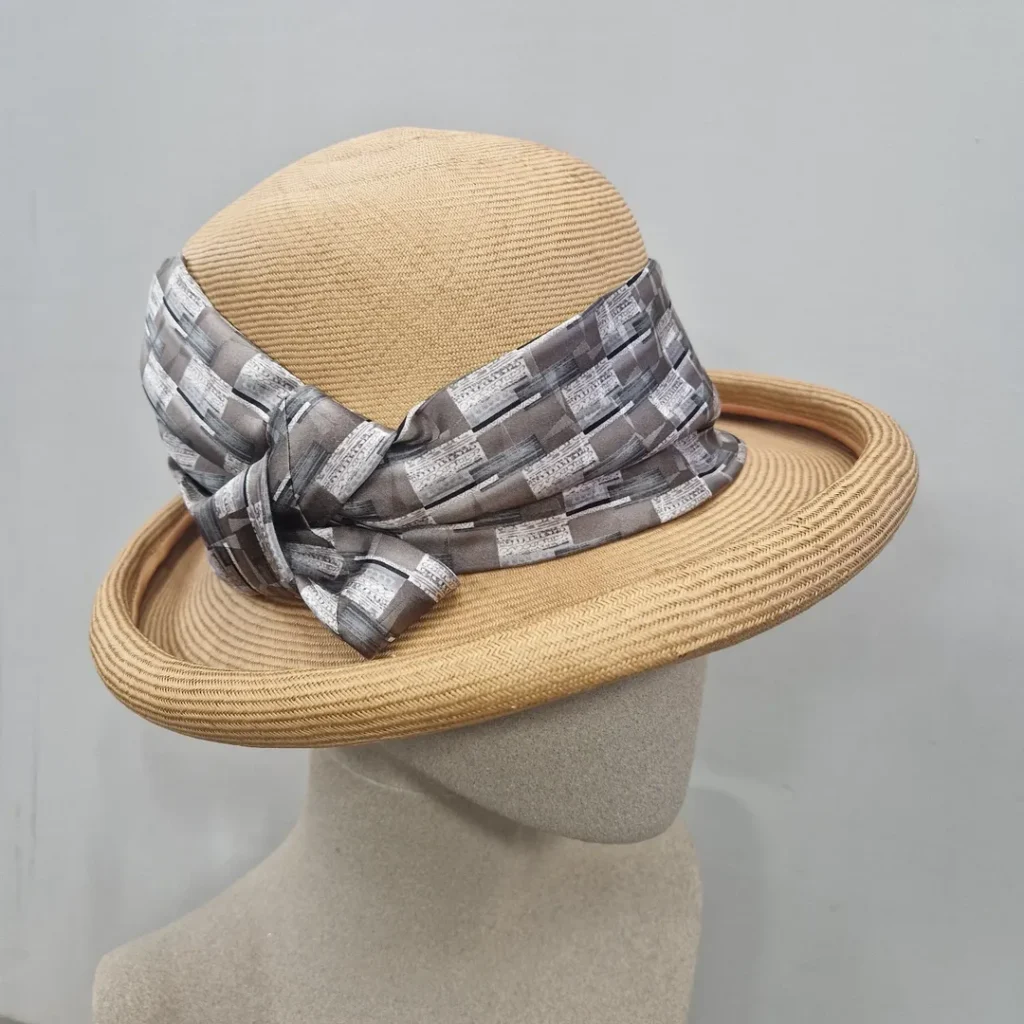
Her reach extends well beyond the Pacific Northwest. Giuntini spent many years based in London, where her work found its way into British television and film productions that required not just beautiful hats but historically accurate ones. Her ability to understand and translate the visual language of a specific era into a wearable object made her a trusted collaborator in on-screen costuming. Her pieces have since reached clients around the world, worn by people who appreciate the difference between something made and something manufactured.
Now based in Seattle, Giuntini draws inspiration from both her European years and the cultural landscape of the Pacific Northwest, working from the Ballard Millinery Studio as a contributing artist within a small collective of milliners. Her work is available online and on-site at the studio, where she also teaches. Her workshops in millinery and flower-making are designed to bring students into the world of traditional craftsmanship in a setting that is welcoming rather than intimidating, opening a centuries-old skill set to anyone curious enough to pick up the tools.
For a city with Ballard’s particular history, a neighbourhood built by craftspeople and shaped by generations of people who worked with their hands, Giuntini’s studio feels less like an anomaly and more like a continuation.