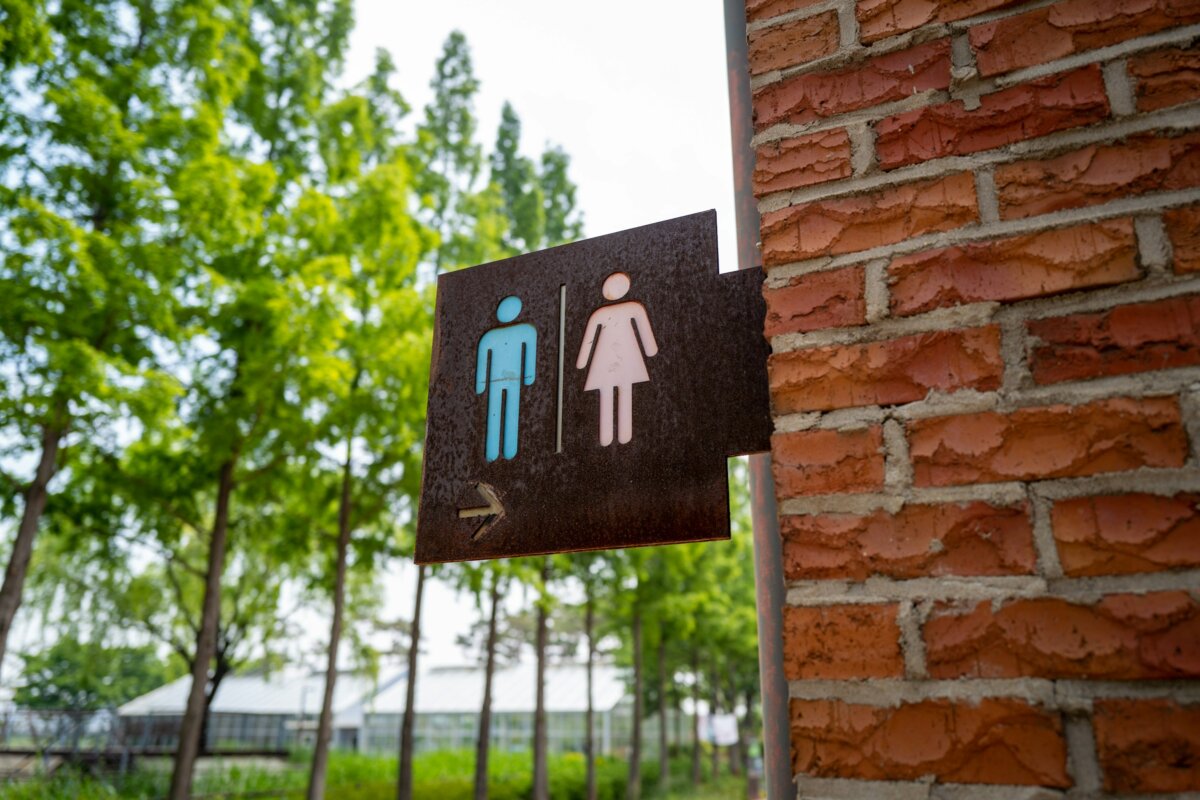
Seattle has opened four new public restrooms in Pioneer Square as part of a one-year pilot programme timed ahead of this summer’s FIFA World Cup, and the units are drawing attention for being considerably more sophisticated than anything the city has offered at street level before.
The city has partnered with Throne Labs to install four solar-powered restroom units near the stadiums and along Second Avenue South. Each unit operates entirely off-grid, running on solar power with no connection to water pipes or electrical infrastructure, while still offering fully functioning running water, a flushing toilet, and a sink. Access is free. Visitors can unlock a unit by scanning a QR code, sending a text, or tapping a card. Each visit is limited to ten minutes, and the units are monitored around the clock.
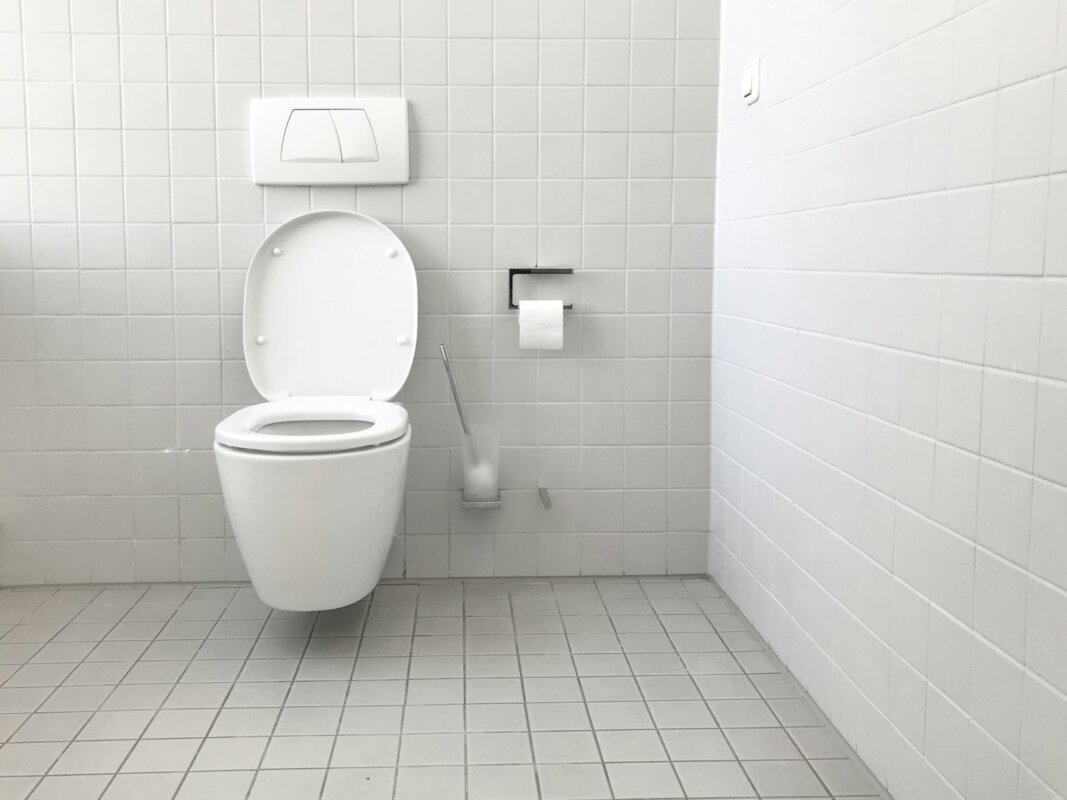
The pilot is deliberately timed for one of the city’s busiest periods. Pioneer Square is expected to draw hundreds of thousands of visitors during the FIFA World Cup matches at Lumen Field this summer, and city officials have long acknowledged that the area’s public restroom infrastructure has not kept pace with the foot traffic the neighbourhood regularly absorbs. The new units represent a direct attempt to address that gap before the international spotlight falls on Seattle.
If the programme is deemed successful, city officials have indicated additional units could be deployed across other parts of Seattle. The pilot runs for one year.
The cost of the programme is already generating debate. At $465,000 for four units over twelve months, the maths works out to roughly $116,250 per bathroom per year, or just over $1,000 per day across all four units combined. Supporters argue the investment is justified given the volume of visitors expected this summer and the long-standing absence of adequate public restroom access in the area. Critics are questioning whether nearly half a million dollars for four bathrooms represents good value for a city that is simultaneously cutting services elsewhere.