With the government shutdown nearing its conclusion, federal workers and local food banks are experiencing some relief after weeks of uncertainty, though significant challenges remain ahead.
Officials with Bremerton Foodline report they experienced greater impact than other communities due to thousands of local residents employed at Puget Sound Naval Shipyard who have gone without paychecks during the shutdown.
Though relief appears imminent, food bank officials anticipate families will continue requiring assistance in the coming months.
“It’s been hard when your daughter is asking, ‘When are we going to get our benefits, Mom, because I’m hungry?'” Andrea Pingitore stated. “That takes a toll on your mental and emotional wellbeing for sure.”
Hundreds of Bremerton families, like Pingitore and her daughter, have gone without their SNAP benefits, with many turning to Bremerton Foodline for the first time.
“My first reaction was What are we going to do? What are we going to do for food? Where are we going to go? Where’s the nearest place? Are they going to take us? Are they going to be overfilled?” Pingitore explained.
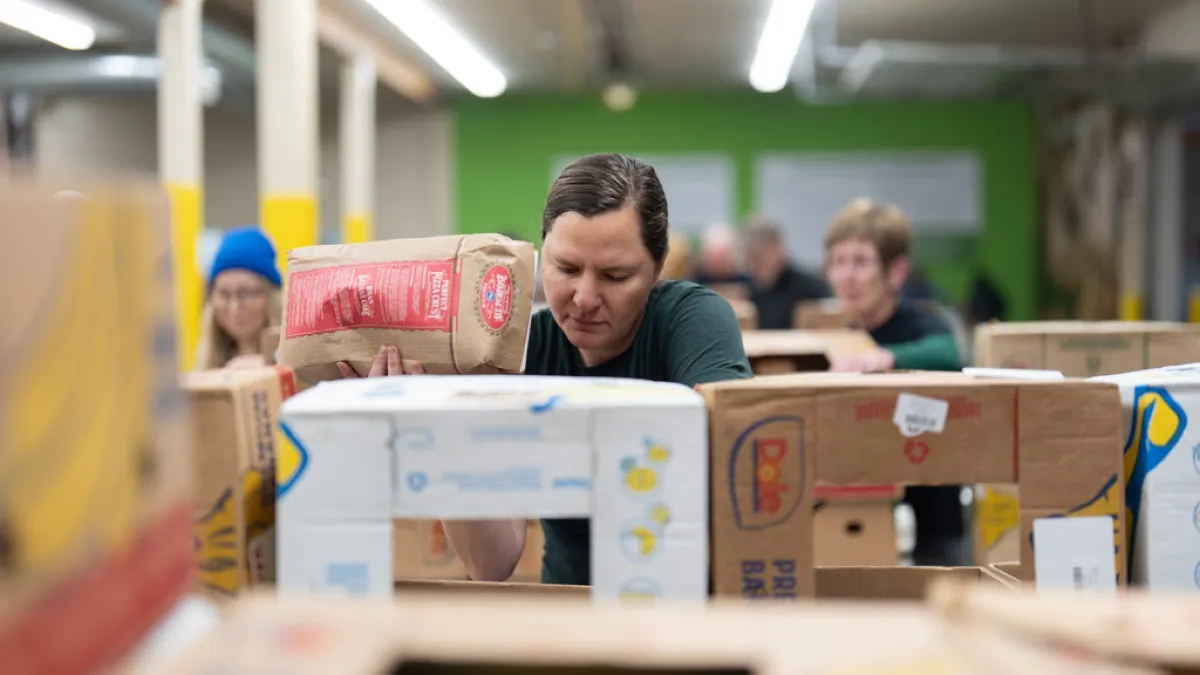
Last month, Bremerton Foodline served more than 300 new families directly affected by the government shutdown, adjusting their hours to accommodate the increased need.
“I’m really worried about infants not having enough baby formula, I’m worried about seniors and children not having enough food,” Cori Kauk, executive director at Bremerton Foodline, stated.
Though the government shutdown’s end now appears imminent, food bank officials express gratitude whilst noting that increased demand will likely persist for at least several more months. The food bank is serving 66% more people in need this year compared to last year.
“Their financial situation is not going to change overnight, so we’re anticipating people needing us probably through the holidays, which is why we adjusted our hours as much as we did,” Kauk explained. “We’re just part of the puzzle, and it really will take the partnership of nonprofits and community members to show up financially with product and with their time so that we can make it through this crisis.”
Local food bank officials indicate continued need for donations and volunteers to maintain extended operating hours and meet local demand.
The Bremerton situation illustrates how government shutdowns create cascading effects that extend far beyond the immediate period when federal workers miss paychecks. Even after government reopens and workers receive back pay, the financial disruptions created by weeks without income ripple through household budgets for months.
Families who depleted savings, fell behind on bills, or accumulated debt during the shutdown face extended recovery periods. The immediate crisis of missing meals may subside once SNAP benefits resume and paychecks arrive, but the secondary financial consequences persist as households work to rebuild emergency funds, catch up on delayed payments, and repair credit damaged by late payments.
The concentration of federal workers at Puget Sound Naval Shipyard created particularly acute impacts in Bremerton compared to communities with more diversified employment bases. When a substantial portion of local households simultaneously lose income, the shock reverberates through the entire community as affected families reduce spending at local businesses, creating secondary economic impacts beyond the direct effects on federal workers.
The 300 new families seeking assistance at Bremerton Foodline in a single month represents a dramatic surge that strained the organization’s capacity, inventory, and volunteer workforce. Food banks typically operate with relatively thin margins between donations received and food distributed, making sudden demand spikes particularly challenging to accommodate.
The adjustment of operating hours to serve increased demand demonstrates the flexibility community organizations must maintain to respond to crises, though extended hours require additional volunteer commitments and operational costs that may not be sustainable long-term without increased funding and donations.
Pingitore’s account of her daughter asking when benefits would return captures the human dimension of food insecurity that statistics cannot fully convey. Children experiencing hunger do not understand the political or administrative reasons why food has become scarce; they only know the discomfort of empty stomachs and the anxiety of not knowing when the next meal will arrive.
The mental and emotional toll Pingitore describes extends beyond physical hunger to encompass stress, anxiety, shame, and feelings of failure that parents experience when unable to provide adequately for their children. These psychological impacts can persist long after the immediate food crisis resolves.
Kauk’s specific concern about infants lacking baby formula highlights particularly vulnerable populations within the broader food insecurity crisis. Infants cannot substitute adult foods when formula runs out, and parents facing financial constraints may attempt dangerous practices like diluting formula to stretch supplies or switching to inappropriate milk products.
The concern about seniors and children reflects recognition that these populations face heightened risks from inadequate nutrition. Children require proper nutrition for growth and development, whilst seniors often have medical conditions that worsen without adequate food intake or that require specific dietary considerations.